Seia's Museums: Which Are Worth Your Time
Seia has more museums than a town its size should, and not all deserve your time. From the Museu do Pão (worth every minute) to the Car Museum (feel free to skip), an honest guide to spending your hours wisely.
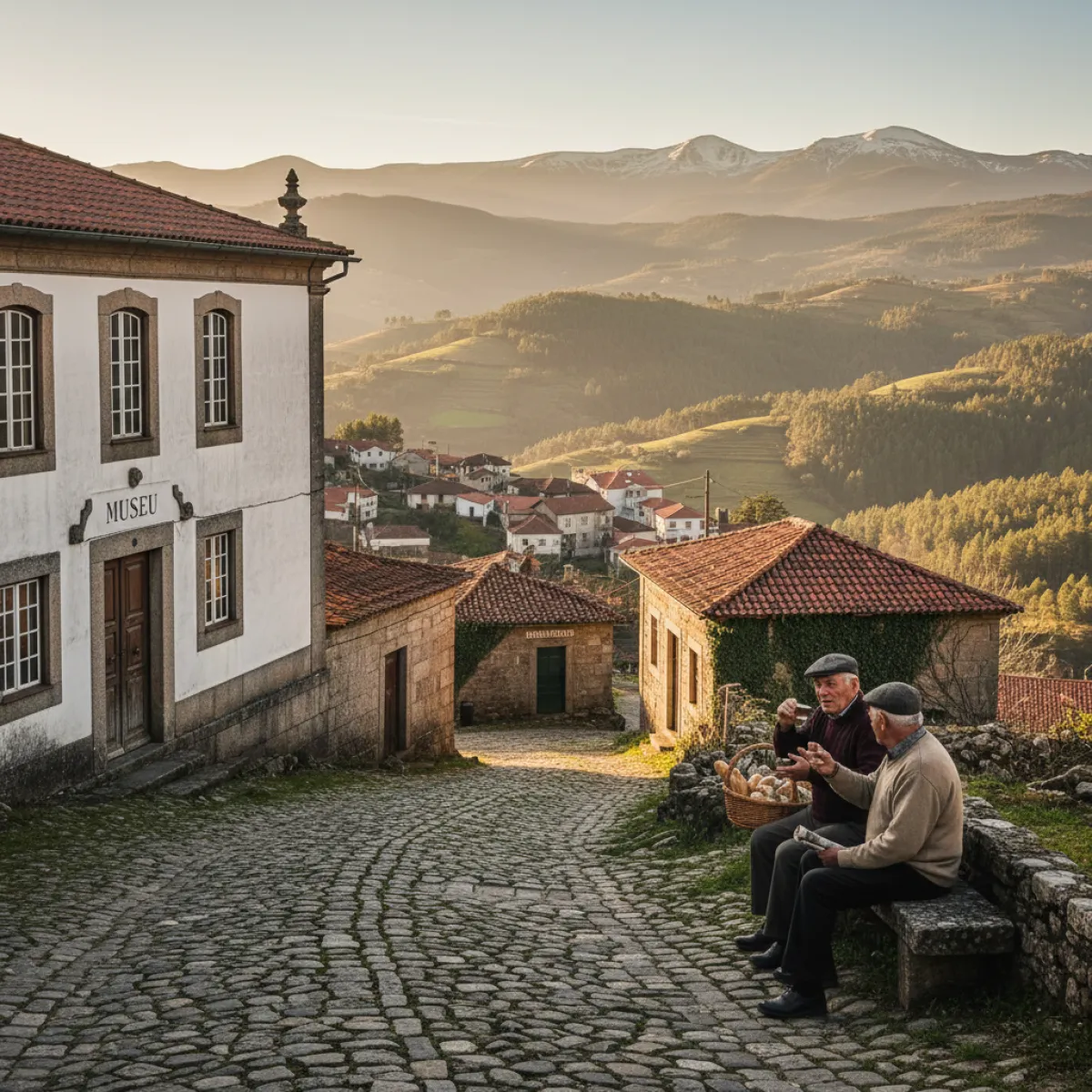
Seia has an enviable problem: too many museums for a town its size. In a place with barely five thousand residents, wedged at the foot of the Serra da Estrela, there are at least half a dozen museum spaces competing for your attention. Some are excellent. Others exist because someone secured EU funding and needed to spend it on something. I'll be honest about which are which.
Museu do Pão: yes, it's worth every minute
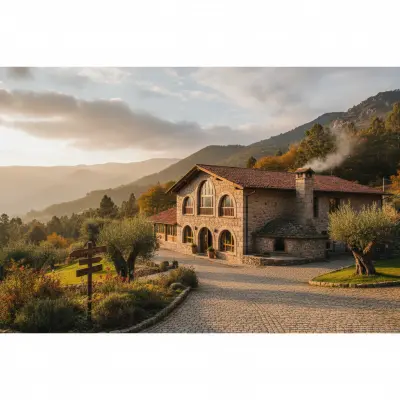
Let's start with the obvious. The Museu do Pão is the reason most people stop in Seia, and for once most people are right. Housed in a former industrial complex on the edge of town heading toward the mountains, the museum does something rare: it takes a seemingly simple subject, bread, and turns it into a journey through human civilization.
I'm not exaggerating. The collection spans from ancient Egypt to industrialization, through religious symbolism and the famines that shaped Europe. There's a section on bread in art with surprisingly good reproductions, and another on traditional baking techniques in the Serra da Estrela that is genuinely fascinating if you have even a passing curiosity about how people lived in these mountains before supermarkets existed.
The trick is to go in the morning, right at opening. In the afternoon, especially on weekends, the place fills with school groups and weekend families, and you lose any chance of reading the labels in peace. The museum's bakery and restaurant are competent, the bread is, as you'd expect, good, but don't make a special trip just for them. Go for the museum, eat because you're already there.
CISE: the Serra da Estrela Interpretation Centre
This is the second museum I recommend without reservation. CISE sits in central Seia and does a solid job explaining the geology, fauna, and flora of the Serra da Estrela Natural Park. If you're planning to head up the mountain, and if you've come to Seia, I assume you are, stop here first. You'll understand what you're looking at up there much better.
The exhibition on glacial valleys is particularly good, with scale models and clear explanations of how the landscape we see today was carved by ice thousands of years ago. If you're planning to hike the snow wells trail in Manteigas, this section gives you the context that transforms a beautiful hike into one you actually understand.
A practical note: CISE has reduced hours outside peak season. Check locally before going, especially between November and March.
The Toy Museum: depends who you are
Here we enter the grey zone. Seia's Museu do Brinquedo is one of those places that divides opinion. If you have small children, it's a useful stop, not brilliant, but useful. There's a reasonable collection of antique toys, from porcelain dolls to tin cars, and kids enjoy seeing what their grandparents played with.
If you don't have children and don't have a particular nostalgia for twentieth-century toys, you can skip this without remorse. The collection is interesting but not exceptional, and the space could benefit from a museographic refresh. It's not bad, it's just dispensable if time is limited.
The Natural Electricity Museum: a surprise
This is the museum almost nobody mentions and the one that surprised me. Housed in the former Senhora do Desterro hydroelectric power station, a few kilometers from Seia, the space preserves the original machinery and tells the story of electrification in this part of the mountains. The building itself is worth the visit, there's something beautiful about those enormous, silent generators, like abandoned industrial cathedrals.
It's not a large or sophisticated museum, but it's authentic. If you like industrial archaeology or simply want to step off the more obvious circuit, allow an hour. The access road offers valley views that, on their own, justify the detour.
What you can skip
I'll be direct: not everything with a "museum" sign in Seia deserves your time. The Car Museum, for instance, is a private collection turned tourist attraction that works better as a curiosity than a cultural experience. If you're a classic car fanatic, maybe, and even then, manage expectations. If you're not, move on.
The most common mistake in Seia is trying to visit everything. The town takes pride in its museum offering and promotes it all with equal enthusiasm. But the truth is that two or three museums in a day is the maximum any reasonable human can handle before you start staring at information panels without reading them. Choose Museu do Pão and CISE as your foundation, add a third based on your interests, and dedicate the rest of your time to something no museum can compete with: the serra itself.
Where to eat between museums
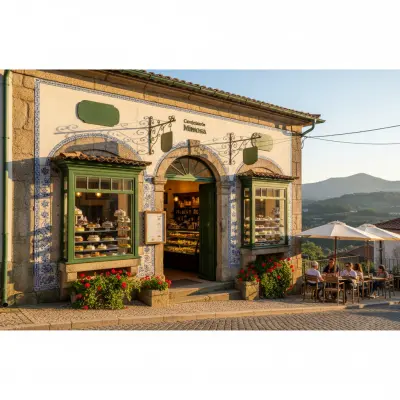
Seia isn't a destination dining town, but you eat well if you know where to go. For breakfast or a mid-marathon snack, Confeitaria Mimosa is the right call. It's the kind of small-town pastry shop that still does things properly, simple cakes, good coffee, prices that don't insult your intelligence. Order whatever's in the display case that looks like it came out of the oven recently.
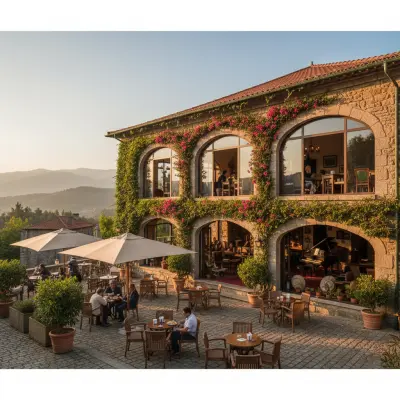
For a different kind of break, Café Concerto is a space with its own personality that's worth a visit even if you're not hungry. It's the kind of place that gives a town character, and Seia needs those places as much as it needs museums.
For a proper lunch, there are restaurants in the area serving roast kid goat and proper Serra cheese, but names and quality vary, ask locally. The people of Seia have strong opinions about where to eat best, and those opinions tend to be reliable.
How to plan your day
If I had one day in Seia, and most people have exactly that, I'd do it like this: arrive in the morning, start at CISE to understand the serra, head to Museu do Pão before lunch, eat at the museum restaurant or a local spot in town, and spend the afternoon going up the mountain instead of visiting another museum.
If you have two days, add the Electricity Museum on the second morning and use the afternoon to explore the surroundings. The Serra da Estrela is too good to be seen only from inside buildings, however interesting they may be. If you're looking for regional itineraries, the guide to the schist villages from Covilhã is a good starting point for understanding what exists beyond Seia.
And if your visit falls in spring, consider the detour to Fundão to see the cherry blossoms on the Gardunha hillside, it's one of the most beautiful things you can see in Portugal between March and April, and it's just over an hour from Seia.
The verdict
Seia is a town that bet on museums as a way to put itself on the map, and it partly succeeded. The Museu do Pão is genuinely good at a national level. CISE serves an important function for anyone wanting to understand the serra. The rest are supplements, some pleasant, others skippable.
My advice is simple: don't try to be a completist. Two good museums are worth more than five mediocre ones. And above all, remember that Seia is a gateway to the Serra da Estrela, not a museum destination in itself. Visit the ones that deserve it, eat well between them, and then head for the mountain. That's why you're here.