Seia: Where to Stay for Every Type of Traveller
Seia isn't just a pit stop on the way to Torre. From its walkable town centre with local pastry shops, to mountain villages like Sabugueiro, each area offers a different experience, and where you stay defines the trip.
Most people treat Seia as a pit stop. They pull over, buy a wheel of Serra da Estrela cheese from a roadside vendor, maybe snap a photo of the mountains, and drive on toward Torre. This is a mistake. Seia is one of the better bases in central Portugal's mountain country, and where you choose to stay here changes the entire texture of your trip. So let's talk neighborhoods.
The Town Centre: For Those Who Like Coffee and Cobblestones
If your holiday involves walking to breakfast in slippers (metaphorically, the cobblestones demand proper shoes), Seia's compact centre delivers. The area around Praça da República has what many Portuguese mountain towns have lost: a functioning neighborhood. Actual residents going about actual lives. Cafés where the barista knows the regulars. Grocery shops selling local cheese next to laundry soap.
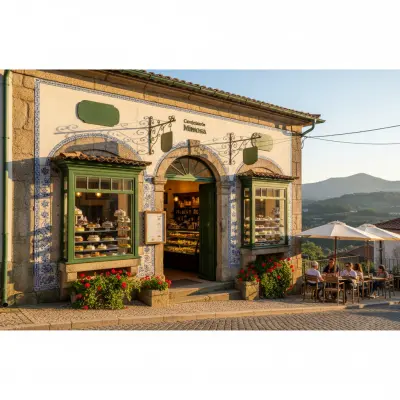
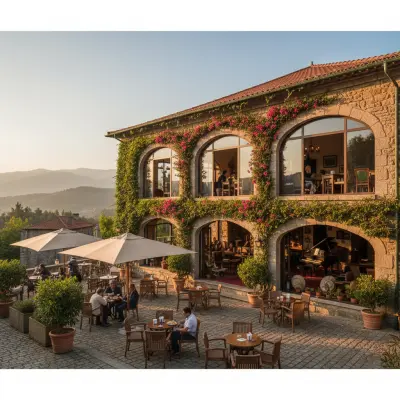
Accommodation in the centre is mostly guesthouses and modest hotels, nothing flashy, but clean rooms that rarely exceed €60-70 per night even in peak season. The upside? Everything is walkable. In the morning, stop at Confeitaria Mimosa for coffee and a pastry, the kind of place where the display case does all the talking and locals file in without a second thought. Later in the day, Café Concerto offers the sort of relaxed atmosphere where you can sit without feeling rushed to order or leave.
The centre also puts you within easy walking distance of Museu do Pão (the Bread Museum), which is genuinely more interesting than it sounds. It's not just glass cases of wheat, there's a cultural and historical dimension that easily fills an hour, and the building itself is handsome. When it rains (and in the serra, it will rain), this is your Plan B.
The downside of staying central? Parking. The older streets weren't designed for modern cars, and finding a spot can test your patience on weekends and summer months. If you're driving, confirm parking arrangements with your accommodation before booking.
The Outskirts: For Those Who Want Views and Quiet
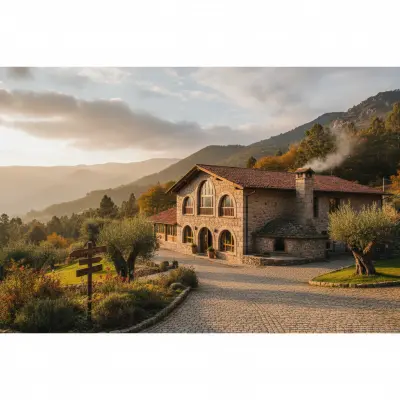
If you'd rather wake up to mountain views than street sounds, the area around Seia's periphery and the first few kilometres up toward the Serra da Estrela Natural Park offer a different proposition. Here, the accommodation is primarily rural tourism, restored stone houses, small estates with half a dozen rooms, the kind of places where breakfast features homemade jam and fresh cheese from the neighbor's farm.
Prices vary significantly. Simple rural houses start around €50 per night; more polished properties with better views can reach €120-150. The rule of thumb: closer to the park and better the panorama, higher the price. Is it worth it? That depends entirely on your plans. If you're spending every day hiking and only need a bed and a hot shower, don't pay extra for a view you'll get on the trail anyway. If, however, slow mornings on a terrace overlooking the valley are the point, then yes, the premium pays off.
The main disadvantage out here is car dependency. Without your own vehicle, you're stuck. Taxis exist but are scarce, and public transport to smaller villages is essentially nonexistent. If you're renting a car, the roads are good but winding, driving at night after a wine-heavy dinner in town requires attention.
Sabugueiro: The Village with Its Own Gravity
Sabugueiro deserves its own section. Often called the highest village in mainland Portugal, a distinction its residents take seriously, it sits about 15 minutes by car from Seia. Staying here is a different experience from staying in town. It's more isolated, colder (bring a jacket even in June), and has the character of a genuine mountain settlement, not a manufactured tourist village.
There are a handful of accommodation options in Sabugueiro: rooms above restaurants, whole stone houses for rent, good for groups or families. Local commerce covers the essentials: a few restaurants serving roast kid and serra sausages, shops selling cheese and honey. Don't expect culinary range, but do expect authenticity.
Sabugueiro makes sense if you want to use the mountains as your backyard: it's close to hiking trails, the road up to Torre, and has an atmosphere that Seia, being more urban, simply can't match. But if you need a pharmacy, a large supermarket, or simply more dinner options, you'll be driving down to Seia.
São Romão and Surroundings: The Smart Compromise
São Romão, a few kilometres from Seia toward Gouveia, functions as an intelligent middle ground. Not quite a town centre, not quite an isolated hamlet, it's something in between, with some restaurant options, more tranquility than Seia, and easy access to the EN339 that climbs toward the mountains.
Accommodation here is mostly local rentals and a few rural houses. Prices tend to run slightly lower than central Seia, and quality varies, research carefully, read recent reviews, and confirm conditions before booking. São Romão's practical advantage: it sits between Seia and the park, with easy parking and without the traffic that sometimes clogs Seia's centre on snowy weekends.
When to Go (and When to Avoid)
The season changes everything in Seia. Winter, when there's snow on the serra, fills the town, and prices rise accordingly. Weekends between December and February are the busiest. Want snow without crowds? Try a Wednesday or Thursday. Spring transforms the mountains: trails become walkable, wildflowers erupt, and temperatures are ideal for hiking. This is, in my view, the best time to visit. Summer is warm but bearable thanks to the altitude, Seia sits at roughly 550 metres, and heading uphill brings quick relief. Autumn is underrated: few visitors, beautiful colours, low prices.
If spring in the mountains excites you, consider combining your Seia base with explorations nearby. Manteigas and its historic snow wells trail are less than an hour away and offer a completely different perspective on the serra. For those with a car and some ambition, a day trip from Covilhã through the Schist Villages makes an excellent complement, slate architecture, paths between hamlets, and a rural world that's disappearing but not yet gone. And if cherry blossom season aligns with your visit (typically March to April), the bloom in Fundão is one of inland Portugal's most striking natural spectacles.
Practical Notes
Book ahead for winter weekends, Seia's accommodation supply isn't huge and it sells out. In low season, you can often negotiate prices directly with properties, especially for stays of two nights or more.
Pack layers. The temperature difference between Seia and the top of the serra can be 10-15 degrees Celsius. A day that starts mild in town can end with cutting wind at 1,500 metres.
If you're relying on public transport, Seia has bus connections from Coimbra and Guarda, but schedules are limited and infrequent, check Rede Expressos and plan with margin. For serious exploration of the serra, a car is essentially non-negotiable.
For dinner in Seia, arrive hungry. Portions in this region are generous and the cooking is mountain fare: Serra da Estrela cheese (ask for the soft, runny "amanteigado" version, not the hard tourist one), cured meats, roast kid goat, and rye bread. Don't expect tasting menus or avant-garde cuisine, expect honest, well-made food in abundance.
A final thought: Seia is small, and that's the advantage. After two days, you know the lay of the land, you've found your favourite café, and you've worked out the best time to drive up the serra without hitting a queue. It's the kind of place that rewards those who stay more than one night and explore without rushing. Pick the neighborhood that fits your rhythm, and let the mountains handle the rest.