Seia on a Budget: The Serra Without Going Broke
Seia won't win any glamour awards, but it might be Portugal's most honest destination for budget travellers. A whole wheel of Serra da Estrela cheese, two days of free mountain access, and coffee under one euro, the full playbook for a weekend under 50 euros.
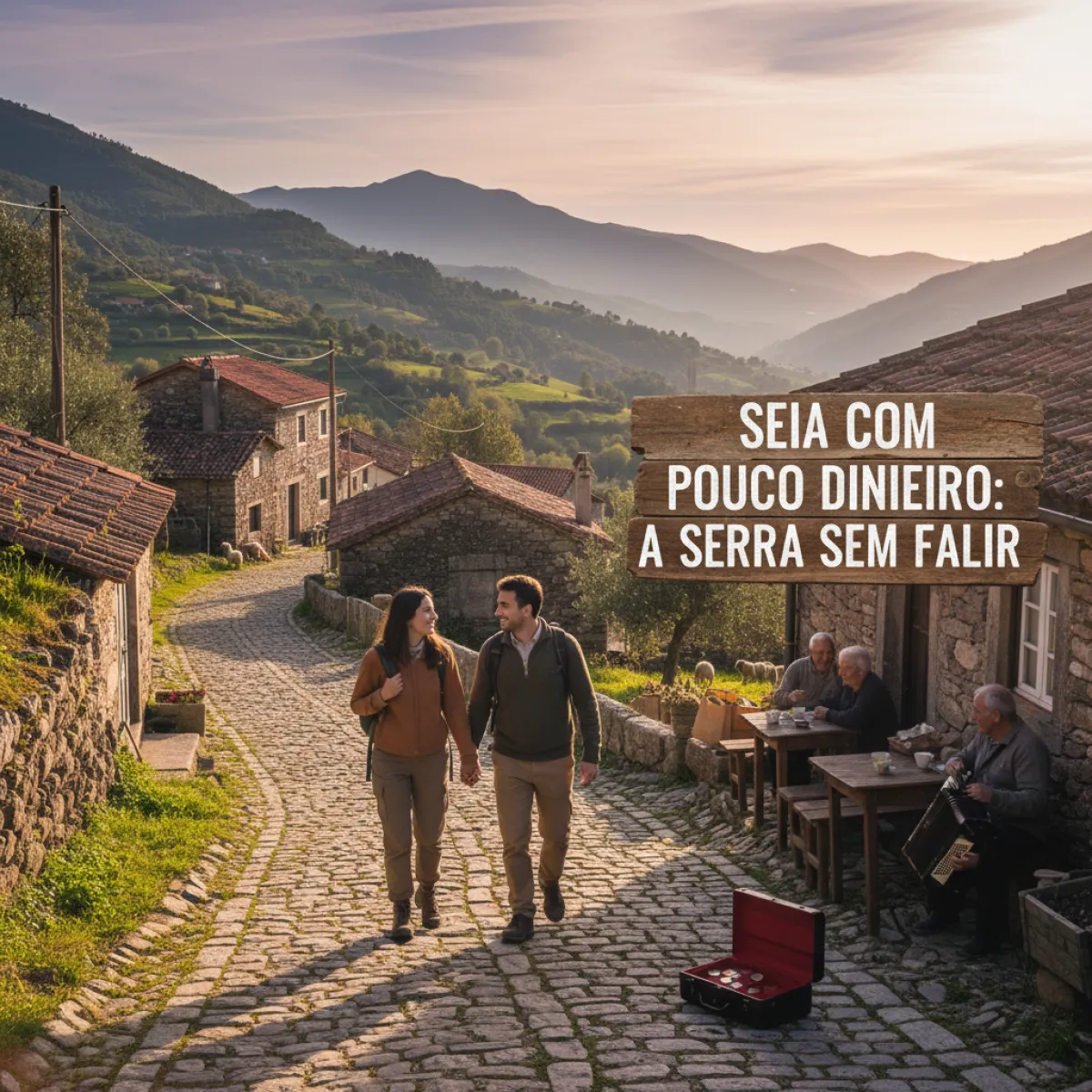
Let's cut to it: Seia is not going to drain your bank account. There are no overpriced boutique stays, no Michelin-starred restaurants charging absurd money for tiny plates. This small working town at the foot of Serra da Estrela, mainland Portugal's highest mountain range, runs on real prices. And that's precisely why it works for travellers watching every euro.
The challenge in Seia isn't finding cheap options. Everything is already reasonably priced. The challenge is knowing where to put the few euros you do spend so they actually count.
Start With Breakfast, and Start It Right
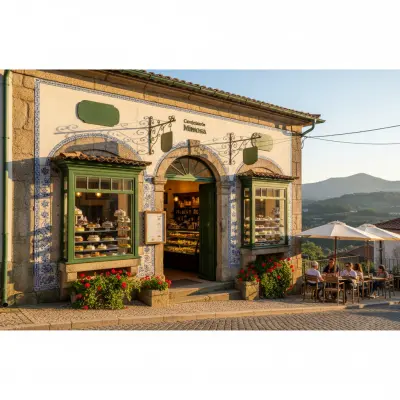
Go to Confeitaria Mimosa. This isn't a suggestion, it's the move. Most locals stop here before heading up to the mountains, and there's a reason for that. The coffee is as it should be (short, strong, no nonsense), and the pastries will make you wonder why you've been paying three times more for worse things in Lisbon. Expect to spend 2 to 3 euros on a coffee with a pastry or toast. If you're properly hungry, a sandwich still won't break 4 euros.
Here's the daily rhythm that keeps costs down: a solid, cheap breakfast, a late lunch, and an early dinner. Two proper meals a day, under 15 euros total. That's a real person's budget, not a travel magazine fantasy.
The One Museum Worth Paying For
Seia has a handful of museums, but if you're only paying admission to one, make it the Museu do Pão, the Bread Museum. In a country where small-town museums range from excellent to depressing, this one is genuinely good. It takes something as basic as bread and turns it into a story about civilisation, religion, hunger, and tradition. There are reconstructed ovens, art installations, and a bakery at the end where you can buy bread made from ancient recipes.
Check locally for current admission prices, but historically it's been very affordable, and worth every cent. You can easily spend ninety minutes here without checking your phone. Travelling with kids? Even better, there are interactive bits that keep them engaged without you having to manufacture entertainment.
After the museum, walk into town. Seia is small enough to cover entirely on foot, which means zero euros on transport within the city. The money you save on taxis is money you spend on cheese, and you will want to spend it on cheese.
The Cheese: Your One Required Splurge
You cannot visit Seia on a budget and skip Queijo Serra da Estrela. It's one of the great cheeses of Europe, made with Bordaleira sheep's milk and thistle rennet, no industrial shortcuts. A whole wheel will run you 15 to 25 euros depending on size and producer, which yes, feels like a lot on a tight budget. But think of it this way: buy one, crack it open, and you've got bread's best companion for two or three days.
Look for it in local grocery shops rather than souvenir stores. The price difference can be significant, and the quality is often better. Ask for queijo da região, local shopkeepers know who makes the best cheese in the area and won't push industrial product with a pretty label on you.
The Mountain Costs Nothing
Here's Seia's open secret: the best thing about it is free. Serra da Estrela doesn't charge admission. You can drive (or hitch, if you're comfortable with that) up to Torre, the highest point in mainland Portugal, and the only thing you pay for is petrol.
If you have a car, the road from Seia to Torre is one of the most beautiful drives in the country. In warmer months, the landscape shifts from dense green to bare rock in under thirty minutes. In winter, there's snow, which for a country that rarely sees it is practically a national event. Whatever the season, bring warm clothes. The temperature difference between Seia and the summit can be 10 to 15 degrees.
Without a car, options are more limited but not impossible. There are walking trails departing from Seia that don't require transport. Ask at the local tourist office about accessible routes, some are circular and take two to four hours. If you're serious about hiking, the whole region is a paradise. Serra da Estrela has a trail network that makes this one of Portugal's best hiking areas, comparable in quality (though totally different in scenery) to hiking the Rota Vicentina along the southwestern coast, less ocean, more granite and highland pastures.
Where to Sit and Do Nothing
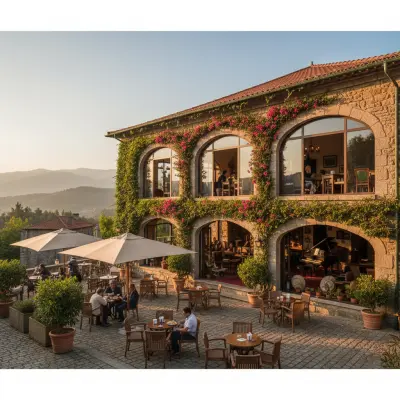
Drop by Café Concerto in the late afternoon. It's the kind of place that works as a public living room, where you go to decompress after a day on the mountain. It's not trying to be anything it isn't. There's no brunch menu with airport pricing, no decor designed for social media. It's a café the way cafés used to be: a place to simply be.
For dinner, seek out tascas and restaurants that do a prato do dia, a daily special. In Seia, a full meal with soup, main course, drink, and coffee rarely exceeds 8 to 10 euros. Order whatever is regional: migas, roast kid, river trout. Don't order grilled salmon or a generic steak, you're in the mountains, eat like you're in the mountains.
Accommodation: The Biggest Slice of Your Budget
If you're truly counting cents, accommodation is where the pressure hits hardest. Seia doesn't have hostels like Lisbon or Porto, but it has reasonable local guesthouses and rentals. Search on Booking or Airbnb, outside peak season (Christmas, New Year's, Carnival when there's snow), you'll find rooms starting at 30 to 40 euros. Split between two, that's half each. In a group, renting a house can come down to 15-20 euros per person per night.
A smart alternative: use Seia as your base and take day trips. The town is strategically positioned to explore all of Serra da Estrela without switching accommodation. Manteigas and its famous snow wells trail is under 40 minutes by car. The mountain villages on the other side, Sabugueiro, Alvoco da Serra, Loriga, are all within a morning's reach.
The Two-Day Itinerary for Under 50 Euros
Let's get specific. Here's what a weekend in Seia can cost, excluding accommodation and transport to the city:
- Day 1, morning: Breakfast at Confeitaria Mimosa (€3). Visit to Museu do Pão (check locally for current price, typically affordable). Buy cheese at a local grocery (€15-20 for a whole wheel, optional but recommended).
- Day 1, afternoon: Drive up to Torre or take a walking trail from Seia (free). Late afternoon coffee at Café Concerto (€2). Dinner at a local tasca, daily special (€8-10).
- Day 2, morning: Breakfast with bread and cheese bought the day before (€0). Walk around Seia, the municipal garden, the old centre. Coffee (€1).
- Day 2, afternoon: Day trip to a mountain village, Sabugueiro or Loriga (shared petrol). Late lunch with a generous portion at a local restaurant (€8-10).
Total: between 25 and 45 euros per person for two days of food, a museum, a mountain, and cheese. Not bad at all.
If You Have an Extra Day
The area around Seia is equally kind to thin wallets. The road trip from Covilhã to the Schist Villages is a perfect day out, villages where time stopped, built from dark schist stone, with no admission fee and no crowds. If it's spring and the timing is right, the cherry blossom season in Fundão is a free spectacle that rivals anything Japan offers, on a smaller scale, sure, but with far fewer tourists and zero cost.
The key to doing Seia on a budget is understanding that the mountains don't need your money to be impressive. The landscape is there, the cheese is affordable, the coffee is cheap, and the mountain hospitality is genuine. The most common mistake is blowing your budget on souvenirs at Torre or tourist restaurants along the main road. Avoid both. Eat where the locals eat, shop where the locals shop, and the serra opens up without charging you tourist prices.
Seia isn't glamorous. It's not photogenic in the way Sintra is photogenic. It's a working town at the base of a mountain range, with real people and real prices. And for anyone travelling on a tight budget, that's exactly what makes it so good.