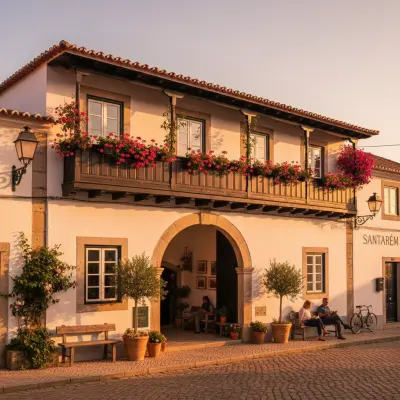
Santarém: Where Locals Actually Eat (Skip the Tourist Traps)
Santarém calls itself Portugal's gastronomy capital, yet most travellers skip it entirely, their loss. At Taberna do Quinzena, open for over 150 years on Rua Pedro de Santarém, a lunch of salt cod with chestnuts and stone soup runs under €20. This is how locals actually eat.
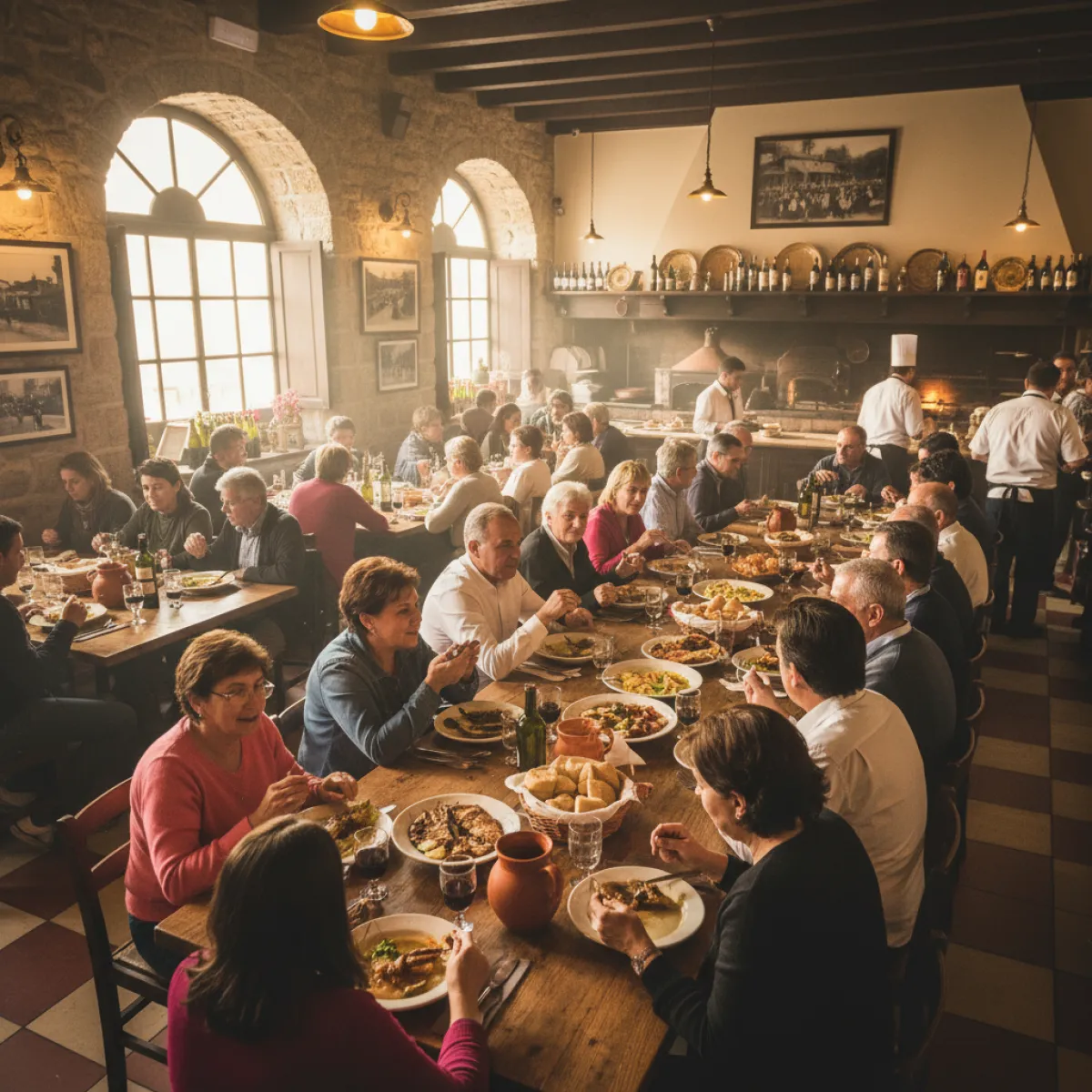
Santarém has a problem. It calls itself the "capital of Portuguese gastronomy," hosts the National Gastronomy Fair every autumn, and yet most visitors blow through on their way somewhere else. That's a mistake. Because if there's a city in Portugal where what you pay for a meal still makes sense relative to what you eat, it's this one. Ribatejo cuisine doesn't have the fame of the Alentejo or the marketing budget of Lisbon, and that's exactly why it still works.
What Ribatejo cuisine actually is
Before we talk restaurants, some context. Santarém sits on a plateau above the Tagus river, surrounded by the most fertile plains in Portugal. That means two things: fighting bull meat (from the herds grazing in the surrounding fields) and river fish. The cooking here was built for people who work the land, hearty, unpretentious, with portions designed to fuel campinos, not Instagram tourists.
The flagship dishes are sopa da pedra, stone soup, technically more associated with nearby Almeirim but everywhere in the region, torricado (charcoal-toasted bread with olive oil and salt cod), migas with asparagus, and bull meat. For desserts, the pampilho reigns: a thin pastry roll filled with egg yolk and cinnamon that tourists almost never encounter. If you appreciate Portuguese pastry traditions like those in Mafra, Santarém offers another dimension, celestes de Santa Clara and arrepiados are direct convent heritage.
Taberna do Quinzena: start here
If you only have time for one restaurant in Santarém, make it Taberna do Quinzena. Full stop. This place has been on Rua Pedro de Santarém for over 150 years and is, without exaggeration, a masterclass in Ribatejo cooking in a single lunch. The roasted salt cod with chestnuts is extraordinary, the duck offal rice is the kind of dish you won't find anywhere else, and their sopa da pedra is thick, honest, packed with sausages and beans.
The space is simple. No interior design, no curated playlist. Paper tablecloths, the noise of conversation, and a wine list of Tejo region bottles that matches everything perfectly. Budget €15-20 per person to eat well and leave rolling. Weekday lunch is when you'll find the most locals, avoid weekends if you want to dodge tour groups.
Taberna Ó Balcão: when you want to impress
If Quinzena is the unshakeable classic, Ó Balcão is what happens when a properly trained chef takes Ribatejo ingredients and elevates them. Also on Rua Pedro de Santarém (which is basically the eating street in Santarém, just accept it), chef Rodrigo Castelo works with river fish, pike, barbel, eel, in ways that respect tradition but aren't afraid to bend it. It's the only restaurant in the city with Michelin recognition, and prices reflect that, but they're not outrageous for what you get.
Book ahead. Especially for dinner. And order whatever features river fish, that's where the kitchen shines.
Chapa 7: for the seafood craving
Yes, Santarém is inland. No, that doesn't stop it from having serious fresh seafood. Chapa 7 is where locals go when they want barnacles, crab, and prawns without driving to the coast. Over 300 wine references, including dozens of Ports, make this place a serious operation. The signature bife à Chapa 7 is the safe bet if shellfish isn't your thing. It's not cheap, it's seafood, no miracles, but the quality is consistent.
Casual petiscos, no fuss
Not every lunch needs to be a production. TasCÁ is a modern tasca in the centre that does well-executed petiscos without pretension. Good for a late afternoon beer with some pataniscas or peixinhos da horta (battered green beans). Dois Petiscos follows the same logic, sharing portions, friendly bill, zero formality.
If you want something more contemporary, OH!VARGAS takes a more urban approach to Portuguese cooking, with decent vegetarian options (a rarity in this land of meat and cured sausages).
The sweets nobody tells you about
Pastelaria Bijou has been open since 1946 and is where locals buy their pampilhos. This is the regional pastry, a thin roll of dough with an egg yolk and cinnamon filling that pays homage to campino culture. It's not pretty, it's not photogenic, it's simply good. Pastelaria Rei and Panitejo also make them, but Bijou is the benchmark.
Don't leave Santarém without trying celestes de Santa Clara, a convent sweet made with almonds, sugar, eggs, and thin communion wafer that's practically impossible to find outside the city. Arrepiados, made with almonds and egg whites, are the other well-kept secret of local pastry making.
The Municipal Market: go early
Santarém's Municipal Market, designed by architect Cassiano Branco in the 1930s, is handsome from the outside, the decorative tile panels are notable, but what matters is inside. Fruit from the Tagus plains, regional cheeses, cured meats, and river fish. Go between 8am and 11am on a Saturday and you'll see the city doing real shopping, not tourists taking photos. It's the best place to stock up on provisions if you're staying in town, for instance, at Santarem Hostel, which is a functional and affordable base for exploring the region.
Sopa da pedra: the Almeirim detour
I'll be honest: the best sopa da pedra isn't eaten in Santarém. It's eaten in Almeirim, twenty minutes south. It's a detour worth making, because in Almeirim stone soup is an institution, there are dozens of dedicated restaurants and the competition keeps quality high. The soup is a full meal: beans, chouriço, blood sausage, pig ear, coriander, potato. There's literally a hot stone inside the bowl, which keeps everything at a rolling boil. Two people share a tureen and are fed for the rest of the day.
Tejo wines: the worst-kept secret
The Tejo region produces excellent wines at prices that make Douro and Alentejo buyers weep. In Santarém's restaurants, always ask for regional wine, the reds are full-bodied but drinkable, the whites have a freshness that surprises. I won't recommend specific labels because the selection changes, but tell your waiter you want Tejo wine and trust them. The quality-to-price ratio is probably the best in the country.
When to go and how to get there
Santarém is one hour by train from Lisbon (Santa Apolónia or Oriente stations), making it perfect for a day out of the capital. But it deserves more, two nights let you explore the food scene properly, visit Almeirim, and still fit in something like the walking meditation at Quinta Carvalhas to digest it all.
The best time to visit is October, during the National Gastronomy Fair, which transforms the Jardim das Portas do Sol into a food festival featuring regional cuisines from across Portugal. But fair warning: the city fills up, restaurants are packed, and prices tick up slightly. If you prefer calm, September or early November are ideal, the weather is still good and restaurants are at half capacity.
The Agriculture Fair in June is another option, more focused on campino culture but with plenty of food involved.
The bigger picture
Santarém is part of a region, Lisbon and Tagus Valley, that has far more to offer than just the capital. If you've already explored Lisbon's local culture and its neighbourhoods, Santarém is the logical next step: same region, different reality. And if you're planning to explore more of the area, the Sintra neighbourhood guide complements a regional itinerary nicely.
But Santarém doesn't need to be a complement to anything. Go for the food. Stay for the sunset over the Tagus from Jardim das Portas do Sol. And come back, because one trip is never enough to taste everything.