Rainy Day in Valença: Indoor Plans Worth the Detour
It rains in Valença and someone always asks if it's worth staying. It is, and this guide explains why: a guided fortress walk, a long lunch at Fatum, unhurried coffees, and the fifteen-minute window when the walls turn golden.
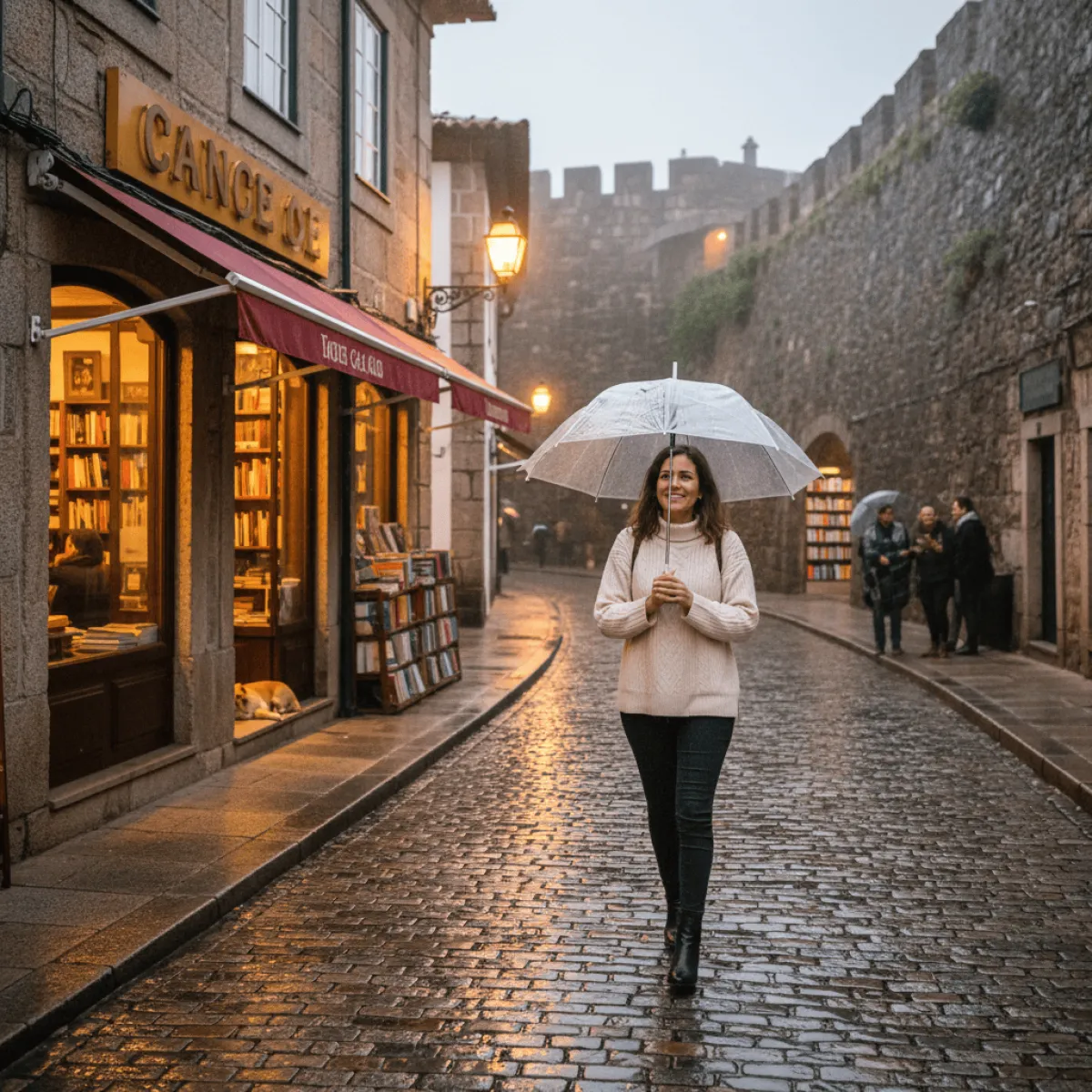
It rains in Valença, and someone, usually a tourist passing through to Vigo, always asks whether it's worth staying. It is. Rain in the Minho isn't a tragedy, it's the natural state of things for half the year, and the town adapts to it with a casualness you don't get in sunnier places. The walls are still there, darker when wet, and the cafés fill up with people who know the right rhythm: a milky coffee, a piece of buttered toast, wait it out.
This guide is for anyone who lands in Valença with a 90% chance of showers in the forecast and wants to do more than sit in a hotel watching the Minho river swell on the other side of the window. The good news: the fortress was designed by 17th-century military engineers who didn't care about weather, which means there are enough covered passageways, casemates, churches and tunnels to fill an entire day without ever getting truly soaked.
Start with the obvious, but bring a guide
If you're visiting Valença for the first time and it's raining, the worst thing you can do is try to walk the fortress alone with a soggy map in your hand. The walls are complex, with two enclosures connected by an intermediate gate, and without someone explaining what you're looking at, you'll come away thinking you saw a generic large northern Portuguese village.
The fix is to take the guided fortress walk in Valença do Minho. Local guides know the casemates, the bastions, and a thing most people don't: the fortress has covered passages that let you ride out a solid hour of heavy rain without an umbrella. Ask about the Baluarte do Socorro and the ravelins, those are where 17th-century military design shows itself best. Check the meeting point and time locally, tours usually leave from the central square.
Practical tip: wear shoes with grip. The fortress stones, when wet, turn into a skating rink. I've watched tourists go down on their backsides near the Porta do Sol in plain November. Don't be one of them.
Lunch with intent: Fatum and the codfish ritual
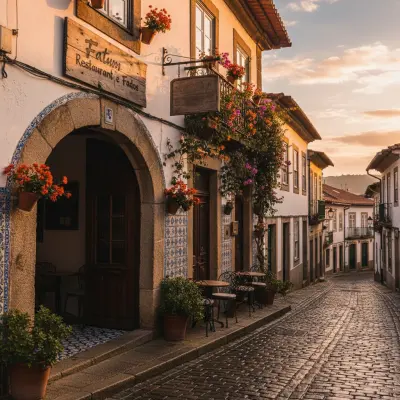
When your stomach starts complaining and the drizzle has become a proper downpour, there's a place where you can sit for two hours and no one will give you a look: Fatum, Restaurante e Fados. The name tells you what you need to know: serious Portuguese food and, on the right nights, fado music. But even at lunch, with rain hitting the windows, the place works.
Order codfish. I know, it's the most obvious advice in the world, but it's what makes sense here, and the way they cook it justifies the choice. Pair it with a red vinho verde, yes, red, from the region. They sound strange to anyone who only knows the white version, but they fit perfectly with codfish boiled with potato and cabbage. If codfish isn't your thing, roast kid goat when available is a serious alternative. Dessert: leite-creme burnt at the table.
Bill for two, with house wine and dessert, usually lands somewhere between 50 and 70 euros, but confirm at the door because fish prices move. A reservation is a good idea, especially on weekends and fado nights. Ask whether there's fado on the evening you're there. It's worth coming back for dinner.
Cafés, books, and the Minho art of doing nothing
There's a skill you learn in the Minho that becomes essential when it rains: the ability to sit in a café for an hour and a half without feeling guilty. Locals do this instinctively. They order a coffee, open the newspaper, talk to the man at the next table about the weather, the football, the niece who got married.
In Valença, inside the walls, there are several traditional cafés with tables facing the street and old ceilings. Sit down, order a galão and toast with butter, and stay. If you want to get the rhythm right, bring something to read. I'd recommend taking with you our honest café-by-café order guide for Barcelos, because the principles travel: good coffee is pulled with care, the right pressure, and drunk without rushing.
What to order and what to avoid
- Galão in a tall ceramic cup, not a glass tumbler from an automatic machine.
- Toast with real butter, not margarine.
- If it's afternoon, a coffee with a splash of aguardente velha (aged brandy) and you'll lose half an hour without noticing.
- Avoid the cafés with plasticised photos of dishes in the window. Those are for the buses coming from Spain.
Churches, museums, and what nobody visits
The Church of Santo Estêvão and the Church of Santa Maria dos Anjos, both inside the fortress, are obvious stops when it rains because, well, they're covered. But there's another one worth your time: the Capela do Bom Jesus de Além and the smaller religious buildings scattered around town. Check opening hours locally, because some only open at certain times.
If you're travelling with children, and rain is particularly hard with kids, there's an alternative: turn the day into an exercise in covered exploration. Churches (quick), café (with cake, important), the fortress's covered passageways, lunch, a museum if there's a temporary exhibition on. For broader ideas about spending time in the Minho with kids, take a look at our honest family guide to Barcelos. Many of the strategies translate to Valença on a wet day.
When the rain eases: the fifteen-minute window
There's always a window. Atlantic rain isn't monolithic, it opens up. Use those fifteen or twenty minutes to do what you otherwise can't: climb up to the wall walk and watch the Minho river separating Portugal from Spain. From the top, with Tui in front of you and the river in between, you understand why this town existed for centuries as a border flashpoint.
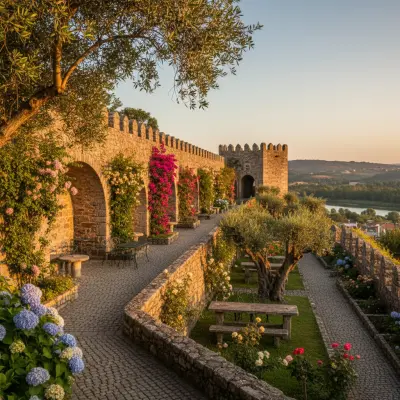
If the window is more generous and the temperature plays along, take a walk through the Jardins da Fortaleza de Valença. They're green areas integrated into the walled perimeter, with benches and trees that change with the seasons. In light rain they actually work: the leaves shine, there's less crowd, and photographically it's one of the most interesting parts of town.
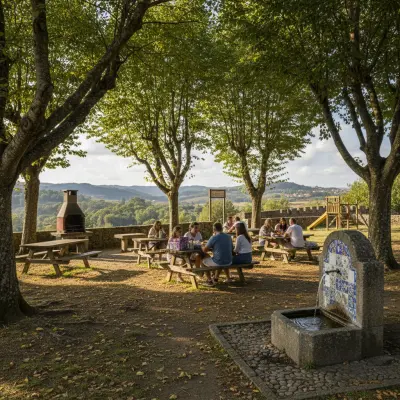
The Jardim Municipal de Valença is another option, outside the walls, better for a short walk before scuttling back under cover. And if the sky suddenly clears for longer than expected, it's worth the effort to reach the Parque de Merendas Senhora da Cabeça, which is further out and works well as a picnic spot if the sun decides to show. In heavy rain, forget it, it's an open area without much shelter.
Covered shopping: the fortress retail strip
Here we need an honest word. The streets inside the fortress are packed with shops selling towels, bedsheets, household textiles and tourist products at aggressive prices for the Spanish customers who cross the bridge. A good portion of it is repetitive and not even particularly cheap when compared with the rest of the country.
But there are gems among the towels. A regional products shop with green wines from the Monção and Melgaço sub-region, serious alvarinhos. One or two textile shops still working with national production, where it's worth asking about origin before buying. Keep your critical eye on. If ten shops in a row stock the same products, it's because nobody makes them locally, they all come from the same wholesaler.
What's actually worth buying
- Alvarinho from Monção and Melgaço, bought in a shop with judgement, not at a border supermarket.
- Regional honey, if you find one with clear apiary identification.
- Minho fruit jam.
- Linen, but only from an identified producer, and this is rare.
Late afternoon: the best hour in Valença
There's a magical moment that happens in Valença when it's rained all day and then, around five in the afternoon, it clears. The walls, which were grey, turn golden for fifteen or twenty minutes. Wet stone absorbs light in a way that dry stone doesn't. The bus tourists are gone, locals start coming out for the end of the day, and the town breathes.
If you can, plan to be on the south wall walk at this hour. See Tui across the river. Think about how many soldiers, smugglers, Camino de Santiago pilgrims and tourists like you passed through here. Then come down for a drink. Vinho verde, red wine if you prefer, and something to go with it.
Honest logistics for a rainy day
How to get there: Valença is well served by the A3 motorway, an hour and a half from Porto. By train, the station is on the outskirts and it's a short walk to the historic centre. If you're coming from Spain, you cross the bridge and you're there. On a rainy day, your own car is comfortable, but parking inside the walls is restricted, leave the car at the outer car parks and walk in.
Where to sleep: there's a pousada inside the fortress and several local accommodation options. On a wet day, sleeping inside the walls pays off, because going in and out on foot is simpler. Confirm prices directly, they swing a lot by season.
How much you'll spend: a day in Valença with rain, including the guided fortress walk, a serious lunch at Fatum, two coffees, and a few small purchases, lands between 80 and 120 euros per person. Cheaper than Lisbon, more expensive than it looks at first glance because of the food.
If there's time for other Minho towns
Valença isn't alone. If the rain insists and you have a car, the Minho has other stops that work well on a wet day. Barcelos is the first that comes to mind, with its market, its pottery, and a decent café scene. In May, if you're around then, our honest May guide to the Festa das Cruzes in Barcelos is worth a read. It's one of the most authentic festivals in the region and it happens come rain or shine.
The final rule is simple: in Valença, in the rain, don't try to do too much. Pick one guided fortress walk, one long lunch, two coffees, a late afternoon if the rain gives you a window. Leave feeling you've met the town, not that you've crossed it. That's the difference between tourism and travel, and rain, oddly enough, is a good teacher.