Porto in Summer: Riverside Walks, Beaches and Day Trips
In summer, Porto spends the day escaping the sun and the night celebrating it. An opinionated guide to working with the heat: gardens in the morning, tram 1 to the Foz with grilled fish in Matosinhos, train escapes, and nights that only start at midnight.
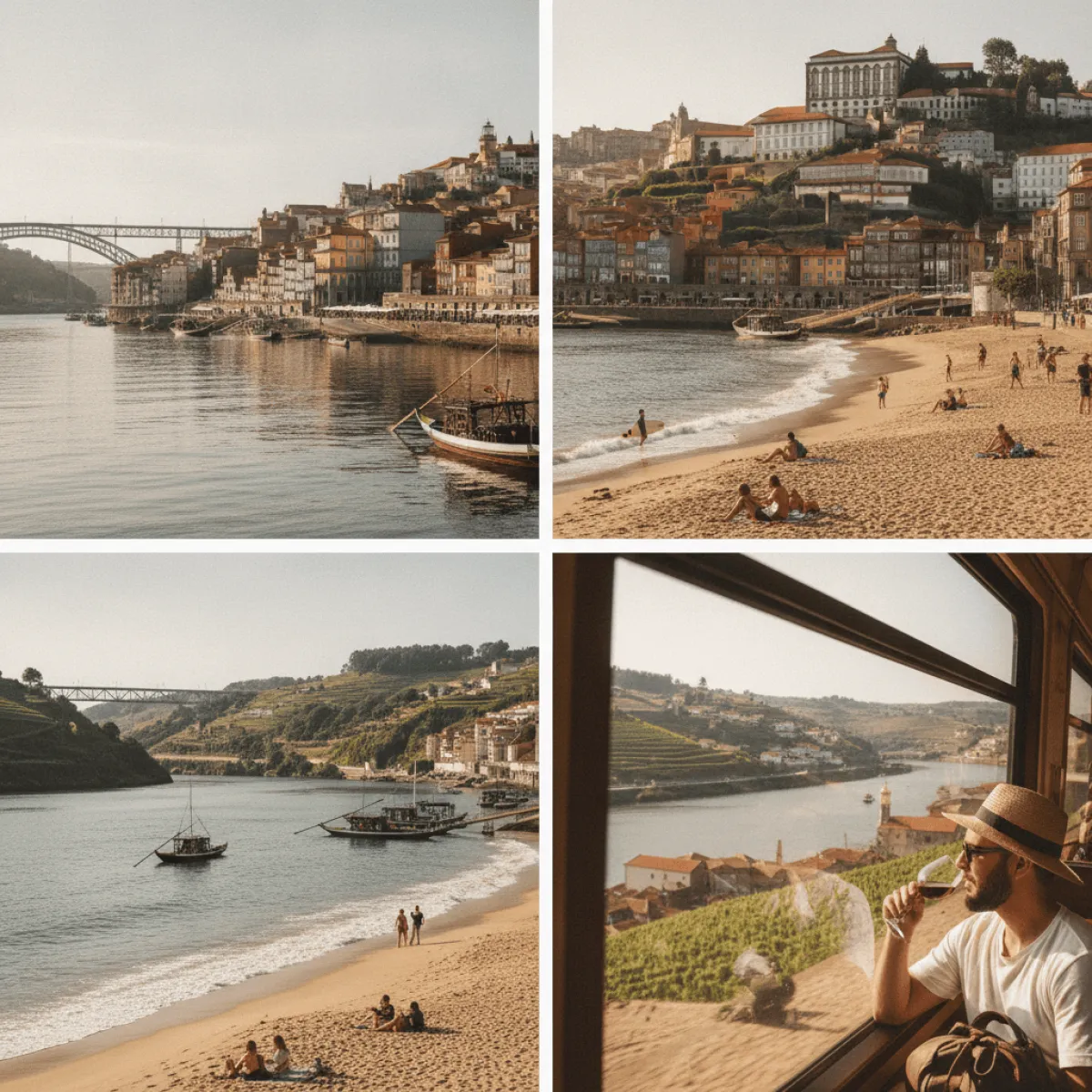
There is a moment in a Porto July afternoon when the city changes temperature without changing the clock. Around seven in the evening, the sun stops hitting the Ribeira head on and starts sliding down the Gaia bank, and suddenly everyone who had been hiding from the heat spills onto the streets at once. That is summer Porto: a city that spends the day escaping the sun and the night celebrating it. If you arrive in August expecting cold granite and the fine drizzle that made the city famous, prepare for a shock. It gets hot. Genuinely hot. And the best way to enjoy it is not to lock yourself in an air conditioned museum, but to follow the water: the river in the morning, the sea in the afternoon, and the shaded hills in between.
Start high, before the heat sets in
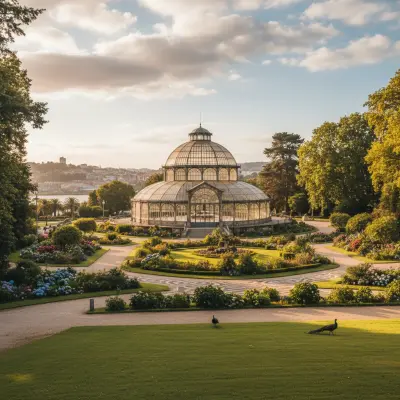
If there is one mistake visitors make in summer, it is heading straight down to the Ribeira at noon. The Ribeira at noon in August is a stone oven full of sweating people hunting for a shaded table that does not exist. Do the opposite. Start up top, at the Jardins do Palácio de Cristal, ideally before ten in the morning, while there is still dew on the box hedges and the peacocks roam freely without anyone chasing them with a phone. Entry is free and the gardens open early. What few guides tell you is that the best viewpoint is not the obvious terrace by the dome, but the west facing corners, where you can watch the Douro draw its curve toward the sea. Bring a coffee from outside, find a bench, and let the city wake up below you.
From here, the descent is on foot. Take your time. The streets around Rua das Virtudes, with their terraced gardens and the improvised viewpoint where students gather at dusk with warm beer, carry you naturally toward the centre. This is also where you grasp the scale of the place: Porto is small and vertical, and almost everything worth seeing sits within a twenty minute walk of almost everything else. If you want some structure to that wandering, the historic centre walking tour with Living Tours does the work of joining the dots, from the Cathedral to São Bento station, with the kind of history that never makes it onto the information panels.
The river is for mornings, not midday
Porto's relationship with the Douro is the most obvious thing about the city and, even so, most people experience it badly. The classic rabelo boat cruise under the six bridges is pleasant but touristy to the bone, and at the height of summer you will share it with three hundred people and a guide reciting numbers in four languages. There is a better, almost free alternative: walk the bank.
Cross the lower deck of the Luís I Bridge, from the Porto side to Gaia, first thing in the morning. The view of the Ribeira from the middle of the bridge is, without exaggeration, one of the best in Europe, and at nine in the morning you will have it nearly to yourself. On the Gaia side, instead of diving straight into a port wine cellar, walk the quayside until the tour buses no longer reach. The cellars are open and the tastings are worth it, but save them for mid afternoon, when a cool cellar is a relief rather than a chore. In the morning, keep the light.
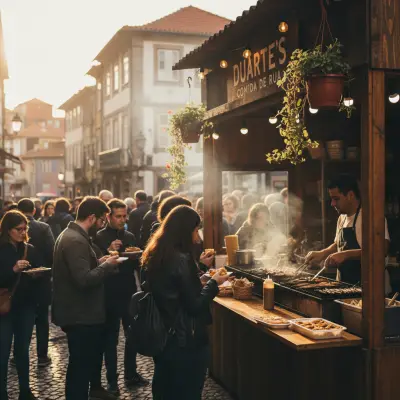
Halfway through this walk you will get hungry, and this is where I can give you the single best practical tip about eating in Porto on a hot day: forget the francesinha. Yes, I know. The francesinha is a monument, and you should eat one on a crisp autumn night when your stomach can handle half a kilo of meat drowned in beer sauce and melted cheese. In the middle of August, in the sun, it is a sentence. Go instead to Duarte's Comida de Rua, where the food is built to be eaten standing up, fast and well, without the heavy torpor that ruins an afternoon. Eat something light, drink water, and save the big appetite for the night.
In the afternoon, go to the sea (tram 1 is the secret)
Everyone knows Porto sits by the sea and almost nobody goes there. It is one of the city's great mysteries. The Foz do Douro, where the river finally surrenders to the Atlantic, is just twenty minutes from the centre and it is where locals actually spend their summer Sundays.
The right way to get there is tram 1, the last historic tram in the city still doing serious work. You catch it next to the Church of São Francisco in the Ribeira, and it follows the entire riverbank to the Foz, rattling over old rails with the Douro always on your right. It is slow, it is hot, it groans on the bends, and it is one of the best public transport rides you will ever take. The ticket costs a few euros and you buy it from the driver. Get off at the end of the line and you will be standing on the border between river and sea.
From here, the beaches stretch north. The nearest ones, by the Castelo do Queijo and Praia de Matosinhos, are urban, with wide sand and waves for anyone wanting to learn to surf. The Atlantic here is cold, even in August: do not come expecting the Algarve. But there is a reward that more than pays for the initial shiver: Matosinhos is the best place in greater Porto to eat grilled fish. Rua Heróis de França has a row of places grilling sardines, sea bass and bream on charcoal right out on the street, and the smell reaches you before you see the tables. Skip the most touristy ones; walk into the one packed with people speaking Portuguese, order the fish of the day, boiled potatoes, and a well chilled vinho verde. It is the definitive Porto summer lunch, and it costs far less than the equivalent down in the Ribeira.
Day trips: for when the city gets too hot
As much as I love Porto, there are August days when the best decision is to leave it. The good news is that few European cities have so many good escapes so close. I gathered the best of them in a dedicated guide to day trips from Porto, but here are the three I recommend first to anyone with only a free afternoon.
Braga, an hour by train
Braga is the right answer for anyone who thinks the North is only Porto. The city has a density of history and a life of its own that surprises those who write it off as "the city of churches". Go up to Bom Jesus do Monte, climb the baroque staircase on foot if your legs can take it, then lose yourself in the centre, which is younger and livelier than its reputation suggests. I wrote about it in detail in the guide to Braga, and if you travel at Easter it is worth catching Holy Week in Braga, one of the most striking processions in the country. Suburban trains leave regularly from São Bento and Campanhã and the trip is cheap.
The Douro, upriver
If you go to the Douro, go by train, not by car. The Douro line, from Régua up to Pinhão, runs glued to the river through terraced vineyards, and is routinely named one of the most beautiful train journeys in the world. In summer it gets seriously hot in the valley, so bring water and a hat, and consider a wine tasting at a quinta with a terrace over the river. It is the opposite of Matosinhos: here the water is calm and the heat is dry.
Guimarães, the cradle
"Portugal was born here", says the old wall, and for once the local pride is justified. The historic centre of Guimarães is a World Heritage site and you can walk all of it in an afternoon, with shaded squares and terraces where you feel fine even at peak heat. It is the easiest escape of all: train from Campanhã, under an hour, and you are in another century.
And then, finally, night falls
It is at night that summer Porto gives its best. When the heat softens and the city cools, the streets fill with an energy that simply does not exist in the grey of winter. And here Porto has a nightlife worth taking seriously, organised almost by geography: Galeria de Paris and the streets around it to begin, and Cedofeita and the Rua do Almada area to finish.
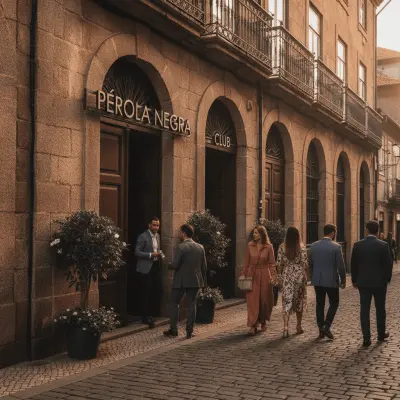
Start gently. The Royal Cocktail Club is the place for the first drink, the kind where the cocktail is taken seriously and you can still have a conversation without shouting. It is the right warm up before the night accelerates. From here, the choice depends on what you are after. Gare Porto is the reference for anyone who loves electronic music and a dancefloor that makes no apology for staying full until dawn. Pérola Negra Club plays a different register, more glam and theatrical, for nights when you fancy overdoing it a little. And Industria Club is the classic that holds the night until the sun comes back over the Douro, closing the circle of the day.
A word of advice from someone who has done this night many times: in summer, Porto goes out late. Before half past midnight, the dancefloors are empty and you will feel like a fool dancing alone. Eat slowly, have a drink on a terrace, walk the streets watching the city fill up, and only then take the night on properly. Hydrate between drinks, because the day's accumulated heat will send the bill, and keep a few euros for the taxi home, which at four in the morning is wiser than waiting for the first bus.
Summer Porto, in short
The secret to Porto in July and August is simple: work with the heat, not against it. High, shaded mornings in the gardens and up top. Mid afternoons by the water, tram to the Foz and grilled fish in Matosinhos. The hottest days swapped for a train escape to Braga, the Douro or Guimarães. And long nights that only begin once the rest of Europe has gone to bed.
Do the maths and a day like this costs far less than you would think: public transport for a few euros, a fish lunch for under twenty per person with wine, free gardens, and only the night weighing properly on your wallet. Porto remains one of Europe's great affordable cities, and in summer, with daylight lasting until ten at night, the day seems to stretch on purpose to give you time for all of it. Make the most of it. The rain comes back in October, and by then you will miss the heat you spent all summer escaping.