Ponta Delgada Museums: What’s Worth Your Time and What’s Not
Ponta Delgada's cultural life isn't found in sterile galleries, but in the scent of taxidermy and incense at the Carlos Machado Museum and the overwhelming gold leaf of the Jesuit College. Here is our guide to what deserves your time.
The Basalt Reality: The City as a Museum
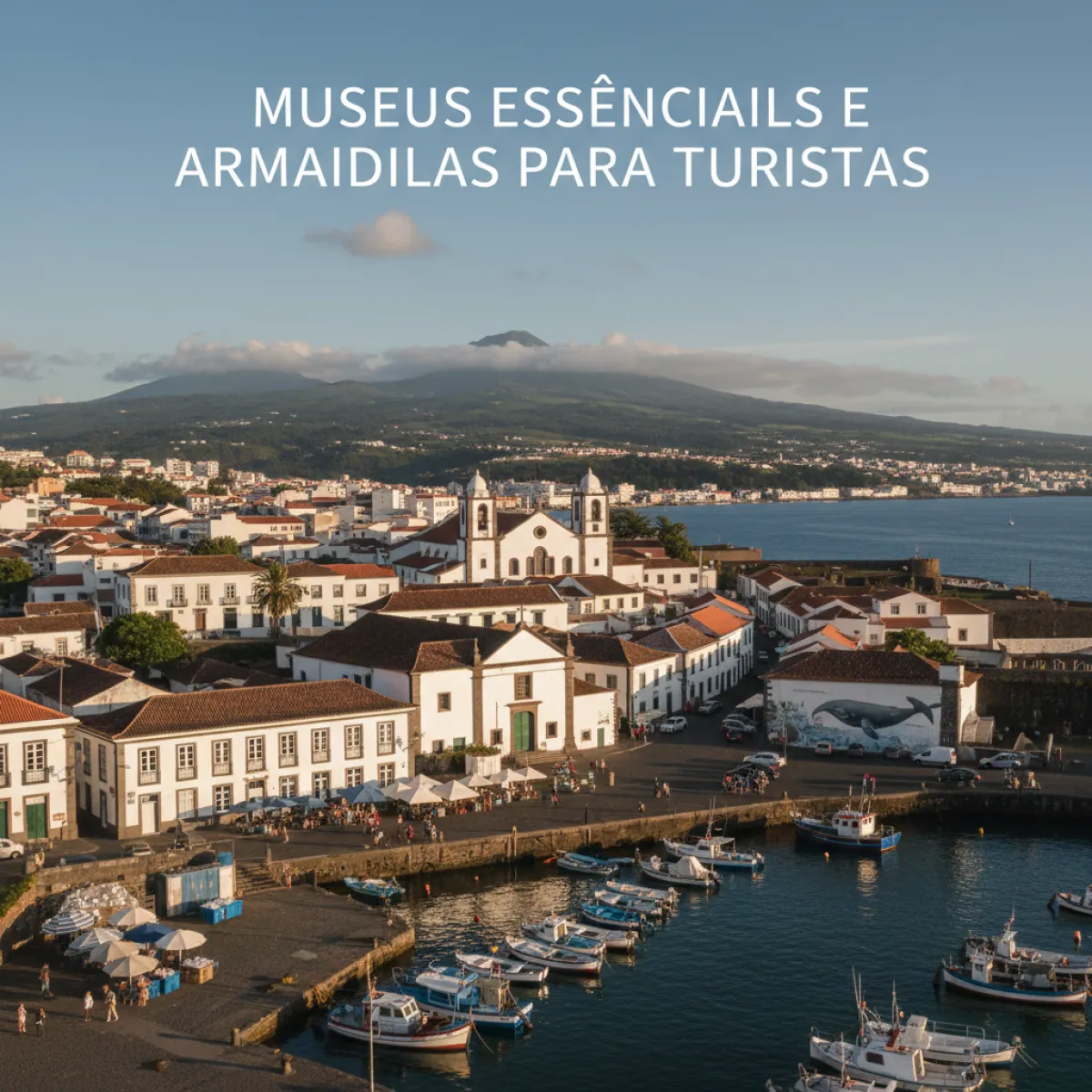
Ponta Delgada is not a city to be consumed in travel agency brochures. It is a place of aggressive color contrasts, the stark white of lime plaster against the deep black of basalt, and a humidity that seeps into your bones and the very walls of the buildings. Before stepping into any ticketed establishment, understand that the finest gallery on the island is the street itself. Walk down Rua de São João or Rua da Cidadela at 8 AM, when the only sound is the metal roll-up doors clattering open and the scent of fresh espresso from the corner snack bar. The architecture here tells the story of an ancient wealth, born from the orange trade, which left behind Baroque portals that seem far too grand for the island's scale.
Carlos Machado Museum: Where Taxidermy Meets the Sacred
If you have to choose only one place to pay an entrance fee, let it be the Carlos Machado Museum. But be warned: this is not a museum for those seeking touchscreens or high-tech interactive experiences. It is divided into several branches, and the Santo André branch (housed in a former 16th-century convent) is where the true Azorean personality is revealed. It is a place where taxidermy of exotic birds and deep-sea fish lives alongside 19th-century tin toys and a collection of sacred art that borders on the obsessive.
In the cloister, the silence is broken only by the sound of your own footsteps on the stone slabs. The Natural History section is a 19th-century time capsule. You will see specimens of Azorean fauna preserved with a scientific rigor that today feels almost poetic. It is dusty, it is dense, and it is absolutely fascinating. Tickets cost about 5 euros and grant access to multiple sites, allow at least two hours. Don't come here to see isolated "masterpieces"; come to see how an intellectual elite, isolated in the middle of the Atlantic, attempted to catalog the world.
Jesuit College Church: The Weight of Gold Leaf
Just a few steps from the museum's main branch, you will find the Jesuit College Church (Igreja do Colégio dos Jesuítas). If you think you've seen enough Baroque churches in Portugal, think again. The gilded woodcarvings (talha dourada) here are among the most impressive in the country, not just for the gold, but for the sheer scale and detail. It is the physical testimony of the wealth brought to Ponta Delgada by the orange trade before blight destroyed the orchards. Entry is inexpensive (or free depending on the day and temporary exhibitions), and the visual impact is guaranteed. It is the kind of place where light hits the gold against the dark stone in a way that no modern gallery can replicate.
Forte de São Brás: Cannons and Salt Spray Views
The Military Museum of the Azores, housed within the Forte de São Brás, is for those who appreciate defensive history and strategic vistas. The fort itself, a Renaissance structure still guarding Ponta Delgada's harbor, is worth the visit for the walk along the ramparts. Inside, the collections of uniforms and weaponry are well-maintained, but the highlight is understanding the importance of São Miguel in the Atlantic chessboard. On a sunny day, the view over the marina and the cruise terminal is unbeatable. It’s an honest museum, it doesn’t try to be something it isn't. If you have no interest in bronze cannons or overseas war history, you can skip the interior and just admire the exterior structure while walking along Avenida Infante Dom Henrique.
What to Skip (or View with Caution)
Avoid the small "interpretive centers" that have proliferated in recent years, unless you have a very specific interest. Often, they are just rooms with a few information panels and a looped video you could have watched on YouTube. If you want to understand the island's geology, instead of a generic center, take a car to the Grutas do Carvão. If you want to understand contemporary culture, go to the Arquipélago - Contemporary Arts Center in Ribeira Grande (a 20-minute drive), housed in a former alcohol and tobacco factory. It is a magnificent example of industrial repurposing, far superior to any small gallery in downtown Ponta Delgada.
Living History: The Gold of Fajã de Baixo
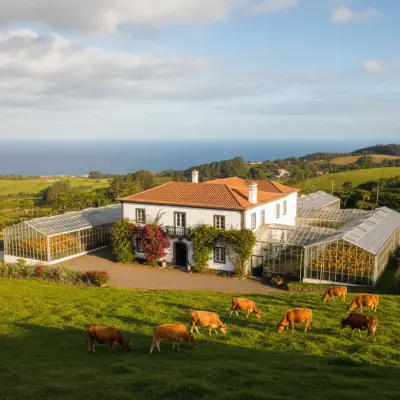
Ponta Delgada's true heritage isn't just under glass domes. It is in the pineapple greenhouses of Fajã de Baixo. Visiting an agricultural museum is dull; visiting a real plantation where the smoke from "burns" is still used to force the plants to flower is another story. Herdade do Ananás offers a practical and luxurious look into this tradition, showing the two-year effort required to produce a single fruit. This is where the island's economic history becomes tangible.
For those who want to deepen the sensory experience, the Pineapple Greenhouse Gastronomy: The Unique Tradition of Fajã de Baixo is the logical next step. Tasting the product in the place where it is king is the best way to understand the culinary essence of São Miguel. Forget the downtown souvenir shops selling industrial liqueurs; seek the real, sharp, sweet flavor of freshly harvested fruit.
The Table as Heritage
After a morning spent in cloisters and fortifications, hunger will set in. Ponta Delgada is a city of eaters. The Mercado da Graça is a museum of abundance: São Jorge cheeses, local peppers, pineapples, and fish that still smells of the ocean. To avoid tourist traps at the harbor, consult our guide The Volcanic Plate: A Gastronomic Trek through Ponta Delgada. In it, we explain that a proper regional steak (bife à regional) should have abundant garlic and local pepper, and that fish should be the catch of the day, no "chef" inventions required.
If you have time for more than just walls, do not ignore the sea. Whale Watching in the Azores: The Season of Giants Begins in Ponta Delgada is, in practice, a visit to a moving biological museum. Seeing a sperm whale dive with Pico in the distance (on clear days) is a natural history lesson that no taxidermy in the Carlos Machado Museum can match.
Where to Stay and Getting Around
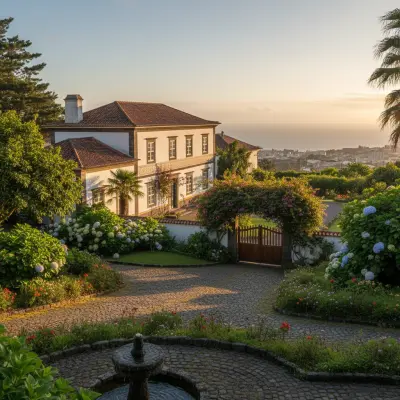
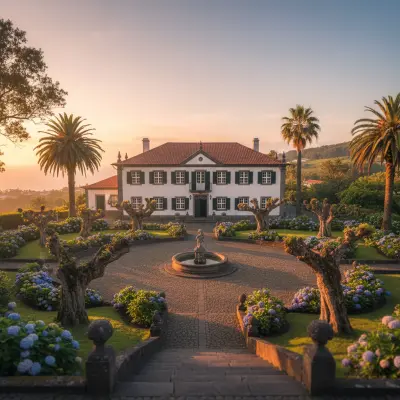
Ponta Delgada is small enough to explore on foot, but the pavements are slippery when it rains (and it rains often). Bring shoes with good grip. For sleeping, avoid the concrete block hotels on the waterfront. Look for the historic estates that have survived time. Quinta da Abelheira or Quinta da Casa Grande offer that Azorean manor house atmosphere, with gardens that feel like domestic tropical forests and high ceilings made of Japanese cedar.
If after Ponta Delgada you feel the need for a more cosmopolitan, yachting-focused environment, a hop to Faial is mandatory. See our guide 24 Hours in Horta: Cosmopolitan Soul in the Heart of the Atlantic to see how Horta is the perfect opposite of Ponta Delgada’s basaltic sobriety.
Final Verdict
Go to the Carlos Machado Museum for the historical shock and intellectual curiosity. Go to the Jesuit College Church for the visual impact. Go to the pineapple greenhouses to understand how the island survives. Skip the rest if time is short. In Ponta Delgada, the most vibrant culture is in the way the sun hits the black stone after a quick shower, and the sound of old men arguing over cattle prices at the market. Everything else is secondary.