Ponta Delgada Market Crawl: What to Buy, Taste, and Skip
Mercado da Graça is the raw, beating heart of Ponta Delgada, where pineapples are grown like gems and fishmongers rule the morning. Learn what to buy, from fermented chili paste to aged São Jorge cheese, and what to skip to avoid the typical tourist fluff.
Morning Grittiness at Mercado da Graça
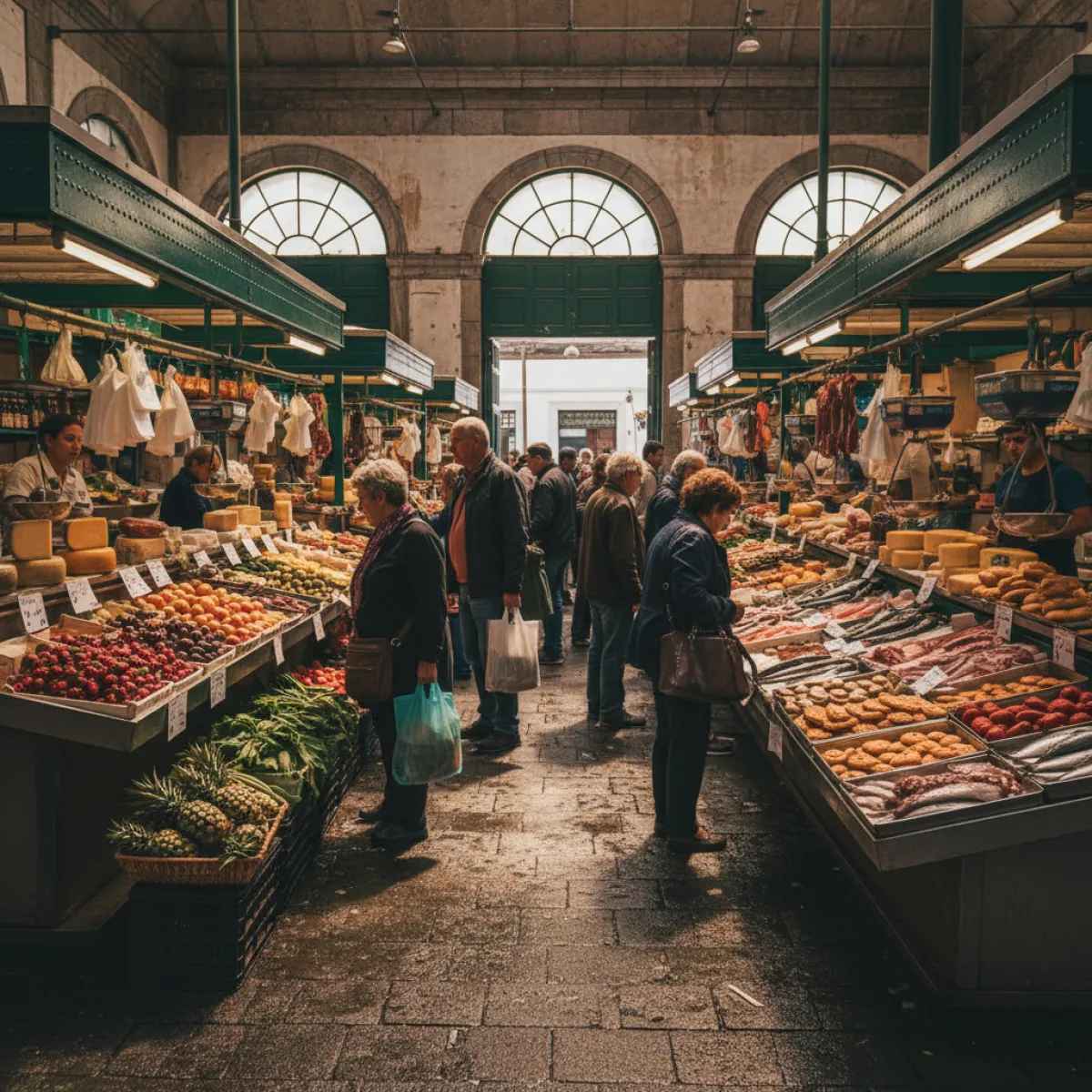
Ponta Delgada doesn’t wake up to the sound of church bells; it wakes up to the hydraulic hiss of delivery trucks on Rua do Mercado. By 8:00 AM, the air is a thick soup of Atlantic humidity, diesel fumes, and the sharp, fermented sweetness of pineapples being stacked like golden grenades. Mercado da Graça is the digestive system of São Miguel. It’s where the island dumps its raw bounty without the filter of boutique packaging. If you’re looking for a sanitized shopping mall experience, go elsewhere. Here, the floors are wet, the fishmongers are loud, and the commerce is blunt.
The first rule of navigating the market is to ignore the stalls right at the entrance, the ones selling blue cow magnets and "I Love Azores" aprons. They are tactical noise designed to catch the uninitiated. The real soul of the place is in the central corridor and the fish hall at the back. Before you set foot here, read The Volcanic Plate to understand the geological weight of Azorean cuisine. But once on the ground, let your nose lead you. Follow the smell of earth, sea salt, and old cheese.
The Pineapple: A Greenhouse Obsession
Do not call the Azorean pineapple "fruit." Call it an architectural feat. Unlike the tropical varieties from South America that grow under the open sun, the São Miguel pineapple takes two years to mature inside whitewashed glass greenhouses. The result is a smaller, denser fruit with a concentrated acidity that makes supermarket pineapples taste like wet cardboard. At the market, look for firm skins and a scent that hits you before you even see the stall. A medium pineapple will set you back about €6 to €8. It is the best money you will spend on the island.
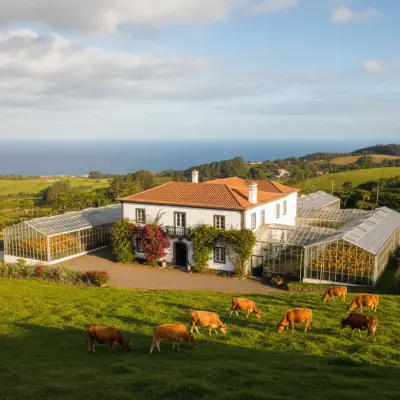
For those who want to see the madness behind the method, the village of Fajã de Baixo is the place to be. You can dive into Pineapple Greenhouse Gastronomy, where they turn this fruit into everything from chutneys to blood-sausage pairings. If you want to live the experience, stay at Herdade do Ananás, where the greenhouses are literally your backyard. It’s the difference between seeing a postcard and living in the frame.
What to Buy: The Expert’s Shortlist
Most travelers leave with a bottle of neon-colored passion fruit liqueur that tastes like cough syrup. Don't be that person. Here is the actual gear worth carrying home:
- Pimenta da Terra: This is the red gold of the Azores. A salty, fermented chili paste made from local peppers. Look for unlabelled jars in the back stalls. It is the base for almost every savory dish on the island.
- São Jorge Cheese (aged): Technically from the neighboring island, but the best selection is here. Ask for the "24-month cure." It’s sharp, crumbly, and has a peppery finish that lingers for minutes.
- Bolo Lêvedo: These are flat, slightly sweet muffins toasted on a griddle. They come in packs of six. Buy them fresh, still warm if possible, and eat them with salted butter from the island of Flores. It’s a simple, high-calorie religious experience.
- Gorreana Tea: The only industrial tea plantation in Europe. The "Orange Pekoe" is a solid black tea, but the green tea is where the volcanic soil really speaks, it has a clean, mineral edge you won't find in Darjeeling.
What to Taste: The Silver and the Blood
The fish hall is a theater of precision and gore. You will see massive tunas, some weighing over 200 kilos, being dismantled with the speed of a pit crew. What should you eat? The Chicharro (horse mackerel). It is the humble staple of the Azorean diet. Usually deep-fried until the skin is a crackling armor, served with a dollop of pimenta da terra. If you’re in Ponta Delgada on a Friday, this is the mandatory lunch in the taverns surrounding the market.
Once you’ve had your fill of the terrestrial, look to the blue. Ponta Delgada is the launchpad for Whale Watching in the Azores. It’s the perfect palate cleanser, moving from the micro-details of a cheese rind to the macro-majesty of a sperm whale breaching the channel. If your trip involves island hopping, check out 24 Hours in Horta to see how the market vibes shift once you leave São Miguel’s gravity.
What to Skip: The Tourist Traps
Be ruthless with your attention. Skip the pre-packaged "Azores Experience" gift boxes. They are overpriced assemblages of products you can find two stalls over for half the price. Skip any cheese that comes in a generic red wax coating; that’s supermarket filler. You want the rinds that look like they’ve seen some history, dusty, mottled, and smelling faintly of a damp cellar.
Also, skip the seeds. You will see stalls selling packets of hydrangea or bird-of-paradise seeds. Unless you live in a very specific microclimate that mimics the misty volcanic slopes of the Azores, they will die on your windowsill. Don't try to take the botany home; take the flavors.
Where to Crash
Carrying kilos of cheese and pineapple through Ponta Delgada’s cobblestone streets is an Olympic sport for your ankles. You need a base that isn't a sterile hotel box. Quinta da Abelheira offers a rural retreat that feels worlds away from the market’s morning roar while being just a short drive away. For something with a bit more historical weight, Quinta da Casa Grande is a masterclass in Azorean manor living, providing the quiet you’ll need after a morning spent haggling over fish heads.
The Mercado da Graça isn't a museum piece for your Instagram feed; it’s a living, breathing, occasionally smelly piece of infrastructure. Respect the flow of the porters, don't block the aisles to take photos of wicker baskets, and eat like you mean it. Ponta Delgada reveals itself in the sharp tang of the pineapple and the salt on the fishmonger’s hands. Everything else is just scenery.