Ponta Delgada in May: Whales, Pineapples and Endless Green
In May, the Azores have whales in the ocean, pineapples in the Fajã de Baixo greenhouses, and a green so intense no camera can reproduce it. It's the perfect window: before August crowds, with fair prices and daylight stretching to nearly 9pm.
May is when the Azores stop being a bucket-list abstraction and become something you can actually plan around. Winter's Atlantic grip loosens, days stretch to nearly 9pm, and temperatures settle at a comfortable 18-20°C. Warm enough for short sleeves by day, cool enough to want a light jacket at dinner. It's the sweet spot: after the March rains, before the August crowds. If you're deliberating when to go, this is your answer.
The green that photographs can't capture
Everyone talks about Azorean green, and there's a reason: no camera sensor reproduces it accurately. In May, São Miguel island hits peak intensity. Pastures look freshly painted, hydrangeas begin to bud along the stone walls between Sete Cidades and Furnas, and the subtropical vegetation in Ponta Delgada's parks and gardens reaches full display. The Jardim António Borges, right in the city centre, is a good place to recalibrate your eyes before heading inland.
Lagoa das Sete Cidades, about 25 minutes by car from Ponta Delgada, is non-negotiable. But here's the thing: go early. At 8am, with mist still lifting off the crater, the Vista do Rei viewpoint has a handful of people. By noon, it has cruise-ship coaches. The difference between the two experiences is the difference between awe and annoyance.
Whale season opens in May
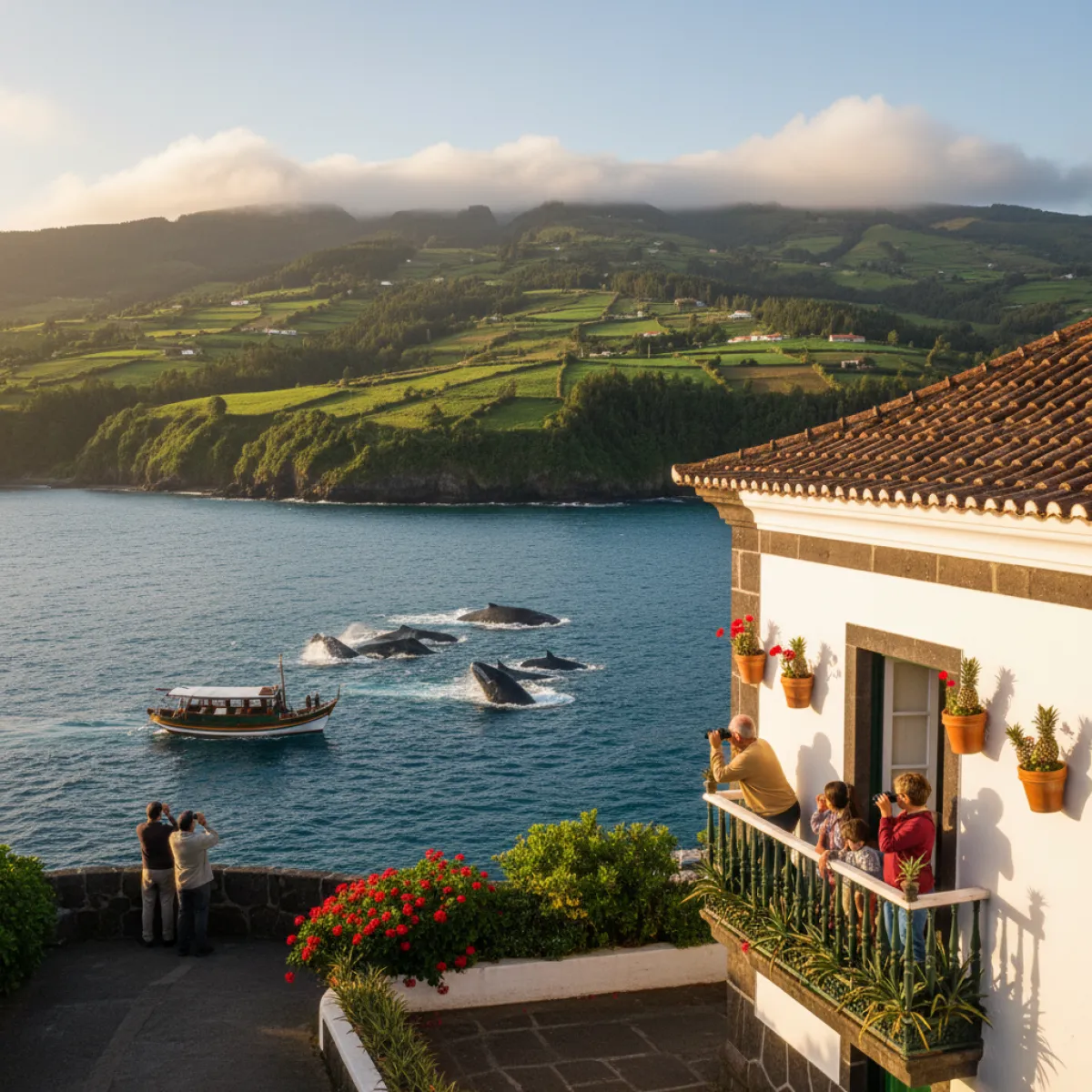
If there's one experience that justifies the trip on its own, it's cetacean watching. May marks the start of peak season: resident sperm whales, common dolphins, bottlenose dolphins, and with luck, migrating blue whales. The Azores are one of Europe's best spots for this, and that's not tourism marketing.
The Futurismo whale-watching expedition is the benchmark in São Miguel. They use land-based lookouts (the old whaling vigias) to guide boats to the animals, which significantly improves sighting rates. Trips last about three hours and depart from Ponta Delgada harbour. Book ahead, especially for May weekends, because they sell out.
Practical advice: take seasickness medication 30 minutes before departure, even if you think you don't need it. The Atlantic in May can be glassy calm or surprisingly rough. And layer up. It might be sunny in the harbour, but the wind offshore cuts through everything.
Pineapple: the fruit that only makes sense here
The Azores are the only place in Europe that grows pineapples, and it's not a minor curiosity. The greenhouses of Fajã de Baixo, just minutes from Ponta Delgada, have been producing pineapples since the 19th century, using a smoking technique to induce flowering that exists nowhere else. The result is a small, intensely sweet fruit with a balanced acidity that makes tropical pineapple taste watered down.
The pineapple greenhouse gastronomy experience in Fajã de Baixo pairs the plantation visit with tastings. It sounds touristy but is actually a condensed lesson in Azorean agricultural history. Go on an empty stomach.
In central Ponta Delgada, pineapple turns up everywhere: in liqueurs, cakes, meat sauces. For anyone wanting a broader gastronomic exploration of Ponta Delgada, there's plenty beyond the pineapple. The Furnas cozido, slow-cooked underground using volcanic geothermal heat, is the obvious star. But don't overlook the island cheeses (São Jorge, from the neighbouring islands, is exceptional) or bolo lêvedo, a sweet bread that goes with everything and that you'll probably want to smuggle home in your suitcase.
Where to stay: rural tourism is the right call
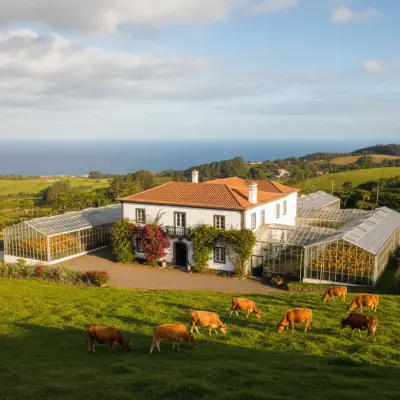
Ponta Delgada has chain hotels and tourist apartments like any city, but the best way to experience São Miguel in May is through rural tourism. The island's density of green deserves to be the first thing you see each morning, not a hotel room wall in the city centre.
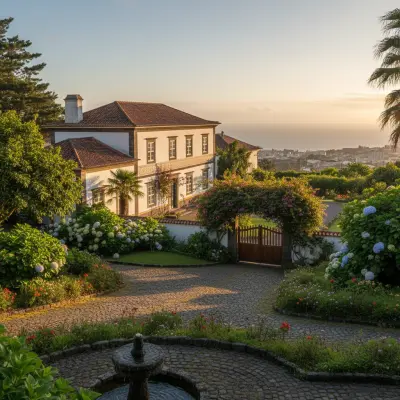
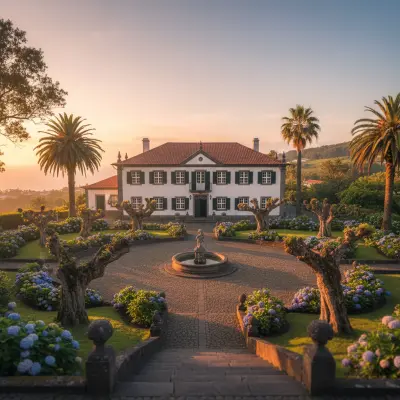
Herdade do Ananás is a smart pick: it's surrounded by pineapple plantations, which puts you squarely in the island's agricultural context without sacrificing comfort. The kind of place where breakfast includes fruit picked that morning. For something more secluded, Quinta da Abelheira delivers the quiet that draws people to an Atlantic island in the first place. Another solid option is Quinta da Casa Grande, with the kind of Azorean hospitality that turns first-time guests into repeat visitors.
May prices are significantly lower than July and August. Budget €80-130 per night for quality rural accommodation, depending on the property and exact dates. The first half of May offers more flexibility; the second half, with public holidays and bridge weekends, sees a slight uptick.
Hydrangeas: the real timeline
Let's be honest: May is the beginning, not the peak. The hydrangeas that line Azorean roads and fill every Instagram feed hit their stride between mid-June and August. In May, they're starting to emerge, particularly in lower, sheltered areas, but don't expect the full blue-and-purple corridors in bloom.
That said, May offers a compensation July doesn't: wildflower season. Daisies and field lilies blanket the island's pastures in a way that vanishes with summer heat. And azaleas, which are as Azorean as hydrangeas but less famous, are at their absolute best in May, particularly in Parque Terra Nostra in Furnas.
Logistics: how to build the trip
Direct flights from Lisbon to Ponta Delgada take about 2 hours 30 minutes. Azores Airlines and Ryanair operate regular routes, and in May, with advance booking, you can find returns for €80-150. From outside Portugal, several European capitals have seasonal connections, and from May onwards there are also routes from the US and Canada.
Renting a car is essentially mandatory. São Miguel has public transport, but it's slow, infrequent, and doesn't cover the island's most interesting spots. A small car runs €30-50 per day in May. Book online before arriving: airport prices are higher and availability thinner.
A week is ideal for São Miguel. Five days is the minimum. Less than that, and you'll rush it. You won't understand the island's rhythm, which is deliberately slow.
A sample May day
- Early morning: viewpoint or hike (Sete Cidades, Lagoa do Fogo, or the Grená trail). Morning light in the Azores is cinematic.
- Lunch: local restaurant. Order fish of the day or limpets grilled with garlic butter. Don't order a burger.
- Afternoon: thermal springs visit (Furnas, Caldeira Velha) or whale-watching trip.
- Late afternoon: back to accommodation, shower, stroll through central Ponta Delgada.
- Dinner: Rua de São Pedro and surrounding streets have the highest concentration of restaurants.
Beyond São Miguel
If you have the time and budget, consider hopping to Faial. Horta, the capital, is a small city with disproportionate cosmopolitan energy, thanks to its transatlantic sailing marina. Peter Café Sport, by the marina, is probably the most international bar in the Azores. For anyone wanting to explore Horta properly, our 24-hour guide to Horta is a good starting point.
Inter-island flights are cheap (from €40 one way) but schedules are limited. There are also Atlânticoline ferries, though May timetables are less frequent than summer. Check locally before planning.
What not to do
Don't try to see the whole island in three days. Don't eat at a tourist restaurant by the harbour just because it has photos of Furnas cozido in the window. Don't skip the rental car. And don't underestimate the weather: in May, you can get four seasons in a single day. The local expression is "if you don't like the weather, wait five minutes." Keep a light rain jacket in the car at all times.
The Azores in May aren't the postcard Azores, with hydrangeas as far as the eye can see. They're something better: the real Azores, with fewer people, honest prices, whales in the ocean, and an island that still smells of wet earth after rain. It's the kind of trip you take once and measure every other trip against.