Spring in the Azores: Tracking the Giants with Futurismo
Spring in the Azores marks the passage of the great baleen whales. Learn what to expect on a whale watching tour with Futurismo in Ponta Delgada, from spotting blue whales to ethical wildlife encounters.
The Great Migration: A Springtime Spectacle in the Mid-Atlantic
As the North Atlantic waters begin their subtle seasonal shift, the Azores archipelago transforms into a premier destination for wildlife enthusiasts. For those visiting Ponta Delgada between March and June, whale watching transcends the typical tourist experience. This specific window offers a rare opportunity to encounter the giants of the deep: the migratory baleen whales. During these months, blue whales, fin whales, and sei whales pass through Azorean waters on their long journey to the nutrient-rich feeding grounds of the North Atlantic.
Futurismo Azores Adventure, operating out of the Portas do Mar marina in Ponta Delgada, is the leading provider for this experience. With a team of dedicated marine biologists and experienced skippers, they offer a deep dive into the world of cetaceans that balances adventure with a strong commitment to conservation and scientific research. Booking a spring tour with them means participating in one of the most significant natural events on the planet.
The Futurismo Experience: From Briefing to Blue Water
The journey begins at the Futurismo activity center in Ponta Delgada. Before anyone boards a boat, a mandatory briefing is held. This isn't just about safety; it’s an educational session where biologists explain the species likely to be encountered, the biology of the migratory patterns, and the strict codes of conduct followed to ensure the animals are never stressed or disturbed. This focus on ethics is a hallmark of the Azorean approach to marine tourism, reflecting a deep respect for the ocean's residents.
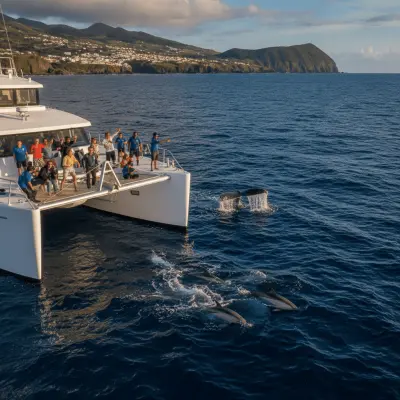
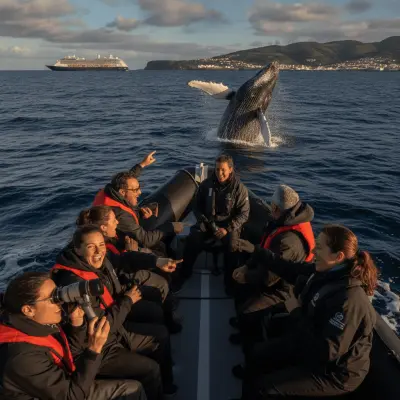
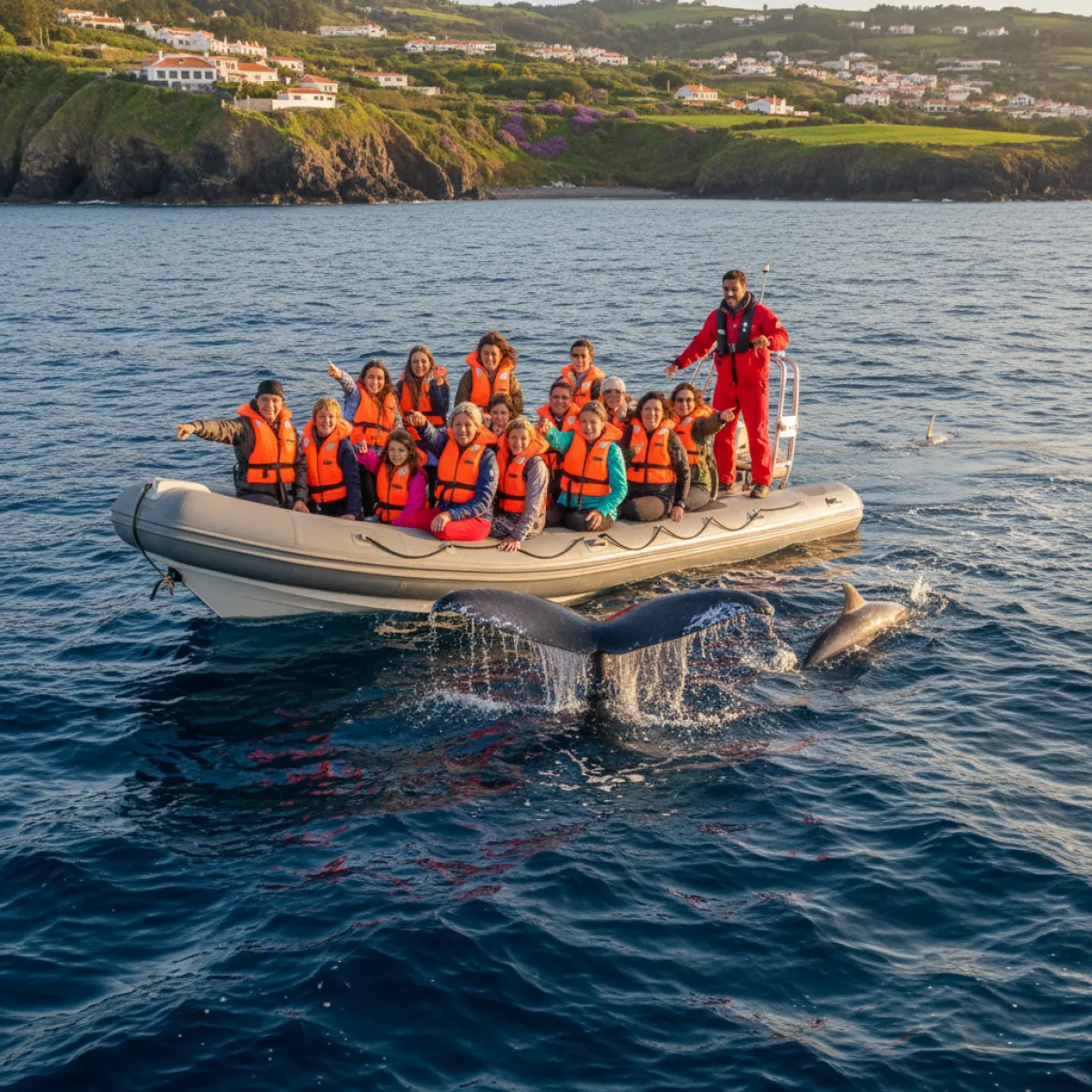
Guests can choose between two main vessel types. The large catamarans offer a stable, elevated platform with plenty of space to move around, making them ideal for photography and for those who may be concerned about sea conditions. Alternatively, the RIBs (Rigid Inflatable Boats) provide a faster, more visceral experience, sitting lower in the water and allowing for quicker movement between sighting locations. In the spring, the catamaran is often preferred for tracking the massive blue whales, as the height helps spot the distinctive tall blows, reaching up to 30 feet, from a distance.
The Art of the Search: Vigias and Marine Biology
What sets whale watching in Ponta Delgada apart is the use of "vigias." These are land-based lookouts stationed at high points along the coast of São Miguel. Using powerful binoculars, these expert spotters scan the horizon for tells: a vertical spray of mist, a breach, or the gathering of birds. Their real-time radio communication with the boats ensures a much higher success rate for sightings than simply searching the open sea at random.
Spring is the season of scale. Encountering a blue whale, the largest animal to have ever existed, is a perspective-shifting moment. Its mottled blue-grey back seems to roll on forever as it surfaces, and the anticipation of seeing the fluke (tail) rise as it dives is palpable. Alongside these leviathans, you are likely to see fin whales (the second largest) and sei whales. These migratory giants share the waters with resident species like the iconic sperm whale and energetic pods of common, bottlenose, and Risso’s dolphins.
Practical Tips for Your Spring Whale Watching Tour
Preparation is key to enjoying three hours on the Atlantic. The Azorean weather is famously unpredictable; a sunny day in town can feel much colder once you are several miles offshore. Dress in layers, prioritizing a waterproof windbreaker and comfortable, closed-toe shoes. Sunglasses and sunscreen are vital, as the reflection of the sun on the water is intense even on overcast days. If you are prone to motion sickness, it is wise to take a preventative remedy before departing.
Futurismo’s half-day tours typically last around three hours and cost approximately €65 per adult. Due to the high demand during the spring migration peak, booking at least two days in advance is highly recommended. The company operates with a "sighting guarantee," meaning if no cetaceans are spotted during your trip, you can rebook another tour free of charge or receive a voucher for future use.
Where to Stay and Dine in Ponta Delgada
After a morning spent in the company of whales, returning to the comfort of a well-chosen retreat is essential. For those seeking an authentic connection to the island's heritage, Herdade do Ananás offers a unique stay centered around traditional pineapple greenhouses. If you prefer the lush tranquility of an Azorean estate, Quinta da Abelheira provides a serene garden setting, while Quinta da Casa Grande captures the elegance of a historic manor house.
To round off your day, explore the culinary landscape of the city. We recommend consulting our guide, The Volcanic Plate: A Gastronomic Trek through Ponta Delgada, to find the best local eateries serving fresh Atlantic fish and the famous Azorean beef. Combining the thrill of the ocean with the rich flavors of the land is the definitive way to experience the magic of São Miguel.