Ponta Delgada: Black Sands and How to Escape the Beach Crowds
Ponta Delgada isn't for white-sand amateurs. Here, the ocean is volcanic, the basalt sears, and the secret to escaping the crowds lies in reading the tides and avoiding the city center when the cruise ships dock.
The Myth of the Azorean Beach
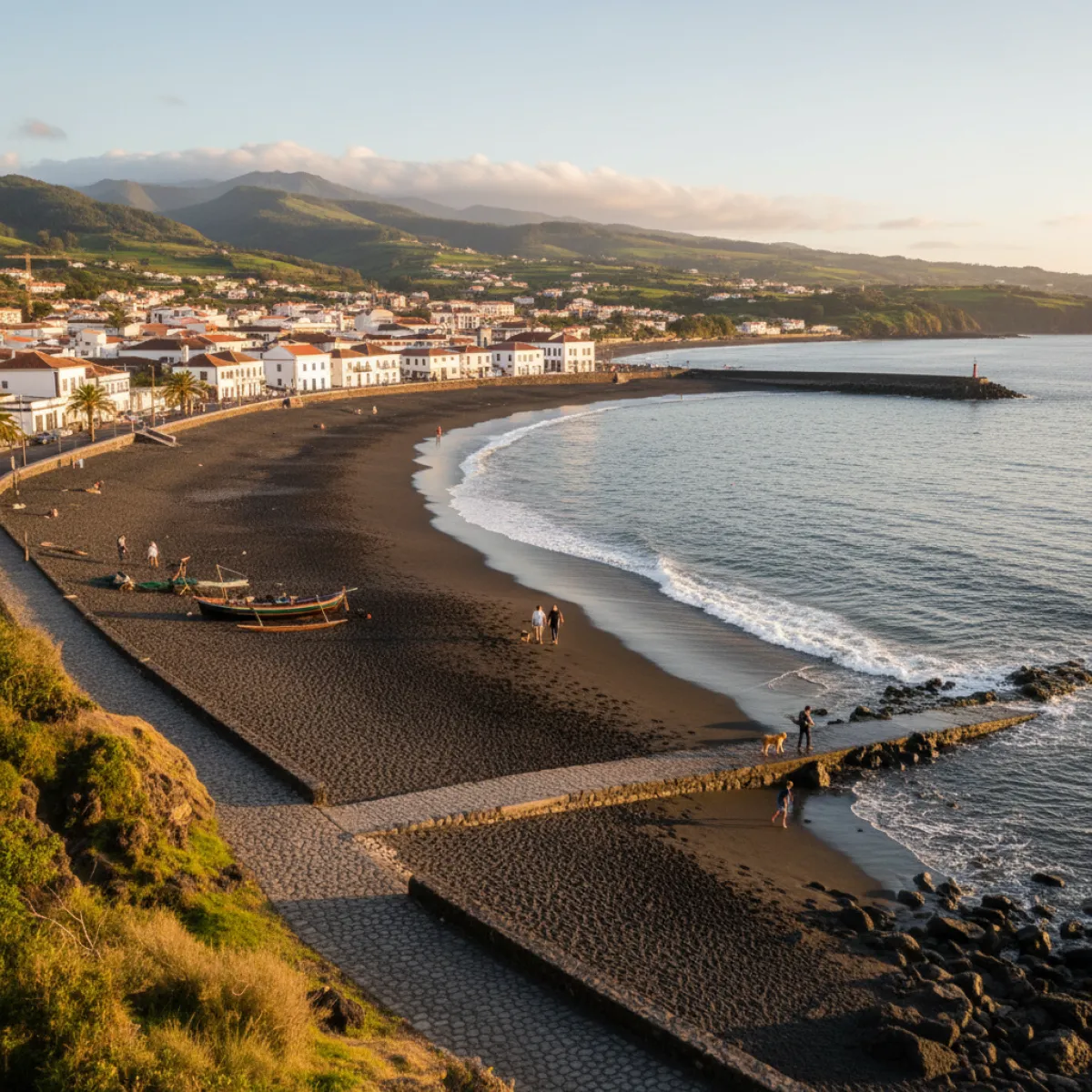
Forget the Algarve. Forget the endless golden sands and the eighty-degree water that invites nothing but lethargy. In Ponta Delgada, and across São Miguel, the ocean is a different beast: it’s Atlantic, it’s raw, and above all, it’s volcanic. When we talk about going to the beach here, we’re talking about a ritual involving basalt, black sand that will sear your soles at noon, and a constant wrestle with currents that remind you exactly where you are, 1,500 kilometers from the nearest continent.
The problem is that Ponta Delgada is no longer the private secret of sailors and botanists. Today, when a three-thousand-passenger cruise ship docks at Portas do Mar, the city’s pulse shifts. The terraces overflow with straw hats, and the nearest beaches become human anthills. But there is a way to navigate this. The secret isn't finding a place no one knows, those don't exist on Google Maps anymore, it's knowing when to go and, more importantly, where to look when everyone else is distracted by the same shiny objects.
The Urban Staples: Pópulo and Milícias
Driving five minutes east of downtown Ponta Delgada brings you to the two main stretches: Milícias and Pópulo. Separated by a small rocky outcrop, these are the city’s backyards. The sand is fine, dark, and magnetic. Literally. Run a magnet through the sand, and it will come up coated in volcanic metallic particles. This is where the locals come for their 'sea bath' after work, around 6 PM, when the sun loses its bite and the parking lots start to breathe again.
My advice? Avoid these beaches between 11 AM and 4 PM in August. It’s a circus. However, if you show up at 8:30 AM, you’ll see the real Ponta Delgada. You’ll see the old sea dogs swimming straight lines out to the buoys, ignoring water temperatures that rarely climb above 21°C (70°F), and teenagers trying to catch the first bodyboard waves of the day. The small beach bar at Pópulo serves an honest espresso for 80 cents, drink it standing up, looking out at the Islet of São Roque, and you’ll feel like you’ve finally arrived.
The Natural Pool Alternative
If you hate the idea of sand in your rental car, the secret to Ponta Delgada lies in the 'piscinas naturais'. São Roque, just on the city’s edge, features bathing areas carved directly into the basalt where the Atlantic surges in and out with the tides. There is no sand here, only rusted metal ladders descending into the deep blue. This is where you feel the true scale of the ocean. At high tide, the jump is safe and exhilarating. At low tide, the rock pools reveal crabs and small fish that will delight anyone who brought a mask and snorkel.
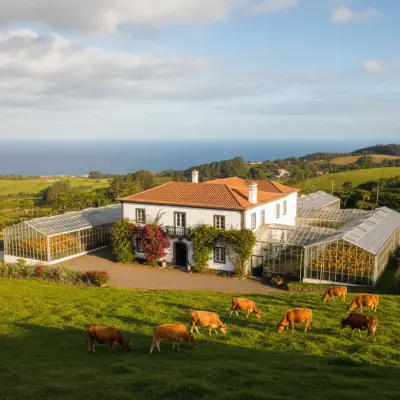
After your swim, instead of joining the queue for a frozen burger on the Avenida Marginal, head inland for something authentic. To understand the backbone of the island’s history, visit Herdade do Ananás, where you can see how these luxury fruits are grown in glass greenhouses, a sharp contrast to the rugged coast. It’s a lesson in Azorean patience that can be paired with the Pineapple Greenhouse Gastronomy experience, where the fruit is integrated into dishes that go far beyond simple dessert.
The Wild West: Mosteiros and Ferraria
When the city beaches feel too cramped, drive west to Mosteiros. The scenery is cinematic: four massive black rocks (the islets) rising from the surf like the teeth of a sunken giant. The beach here is small and the current is fierce, but the sunset is the best on the island. The trick to avoiding the chaos is simple: don’t try to park by the sand. Leave your car in the upper village and walk down, catching the scent of woodsmoke from houses where bread is still baked in stone ovens. At the bottom, to the right, are the 'Poços de Maré', natural pools often ignored by those rushing to the sand. They are calmer, deeper, and offer a front-row seat to the islets.
Just before Mosteiros, Ponta da Ferraria offers something that feels like a glitch in the matrix: a natural pool in the ocean where the water is hot. Thanks to a volcanic thermal spring bubbling up beneath the rocks, the seawater can reach 30°C (86°F) at low tide. It’s a singular experience, but it requires timing. Go at high tide, and you’ll feel nothing. Go at low tide during a rough swell, and you risk being slammed against the black rocks. The 'sweet spot' is two hours before or after low tide with a calm sea. Check the tide charts; it’s the difference between a mystical soak and a crowded water aerobics session with thirty other tourists.
The Ocean Perspective
Sometimes, the best way to escape the crowds in Ponta Delgada is to leave the land entirely. The marina is the jumping-off point for Whale Watching in the Azores: The Season of Giants Begins in Ponta Delgada. Being on a RIB boat two miles offshore gives you a perspective no viewpoint can replicate. You see the city tucked between green peaks and the deep blue, realizing that the beaches are just tiny cracks in a fortress of lava.
Many visitors spend their days hopping from one 'miradouro' to the next, forgetting to eat properly. To avoid the tourist traps in the center, consult The Volcanic Plate: A Gastronomic Trek through Ponta Delgada. You’ll find mentions of dishes that actually make sense here, like grilled octopus or the iconic 'bife à regional', a steak loaded with garlic and local pepper paste.
Where to Retreat
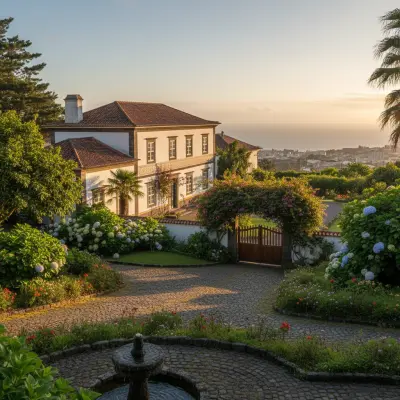
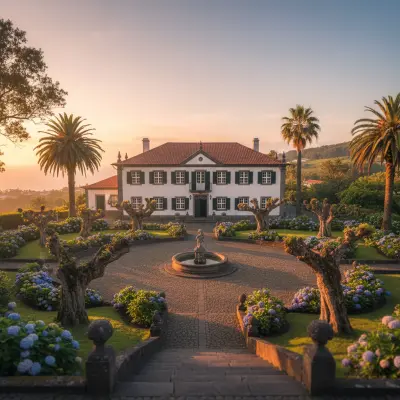
After a day of salt and sun, the noise of downtown Ponta Delgada can be a bit much. For those who prefer the silence of the countryside but want to be ten minutes from a good dinner, Quinta da Abelheira is a solid choice, offering the kind of isolation that the large marina hotels have long since lost. If you’re looking for something with more historical weight, Quinta da Casa Grande maintains the spirit of São Miguel’s old agricultural estates, with gardens where time seems to move at a different pace.
If the Azores leave you wanting more, remember that the contrast between Ponta Delgada’s relative bustle and the soul of other islands is significant. If you’re planning a trip to Faial, for instance, the 24 Hours in Horta: Cosmopolitan Soul in the Heart of the Atlantic guide will help you understand that every Azorean port has its own distinct personality.
Practical Insider Tips:
- The Essential App: Download 'SpotAzores'. It has live webcams for almost every beach and major sight. If you see clouds over the mountains, head for the coast. If Pópulo looks packed with cars, pivot to the pools in Lagoa.
- The Survival Kit: A dark beach towel. Black sand is a nightmare to get out of white hotel towels. Also, bring rubber swim shoes for the natural pools, the rocks are slippery and sea urchins are permanent residents.
- Timing: The Azorean sun is deceptive. The UV index is almost always high, even when it’s cloudy. The best time for the beach is between 4:30 PM and 7:00 PM. That’s when the light turns gold over the basalt and the water feels most inviting.
- Costs: A 'prego no pão' (steak sandwich) at a beach bar will run you about 5 to 7 Euros. A local beer (Especial) is around 1.50 Euros. It’s an affordable luxury that tastes better with sandy feet.
Ponta Delgada isn't a conventional beach destination, and that’s a good thing. It’s a place where you respect the sea and where every swim feels earned. If you can read the tides and avoid the hours when the tour buses unload, you’ll find a peace in its black sands that no Caribbean resort can replicate. It’s the peace of knowing you’re in the right place, at the right time, with the whole Atlantic ahead of you.