Olhão: The New Luxury Manifesto and the Essential Budget Travel Guide
Discover Olhão, the Algarve's cubist city, through a sophisticated and budget-friendly lens. From market rituals to the deserted islands of the Ria Formosa, this guide reveals how true luxury lies in authenticity.
The Reclamation of Authenticity in the Algarve
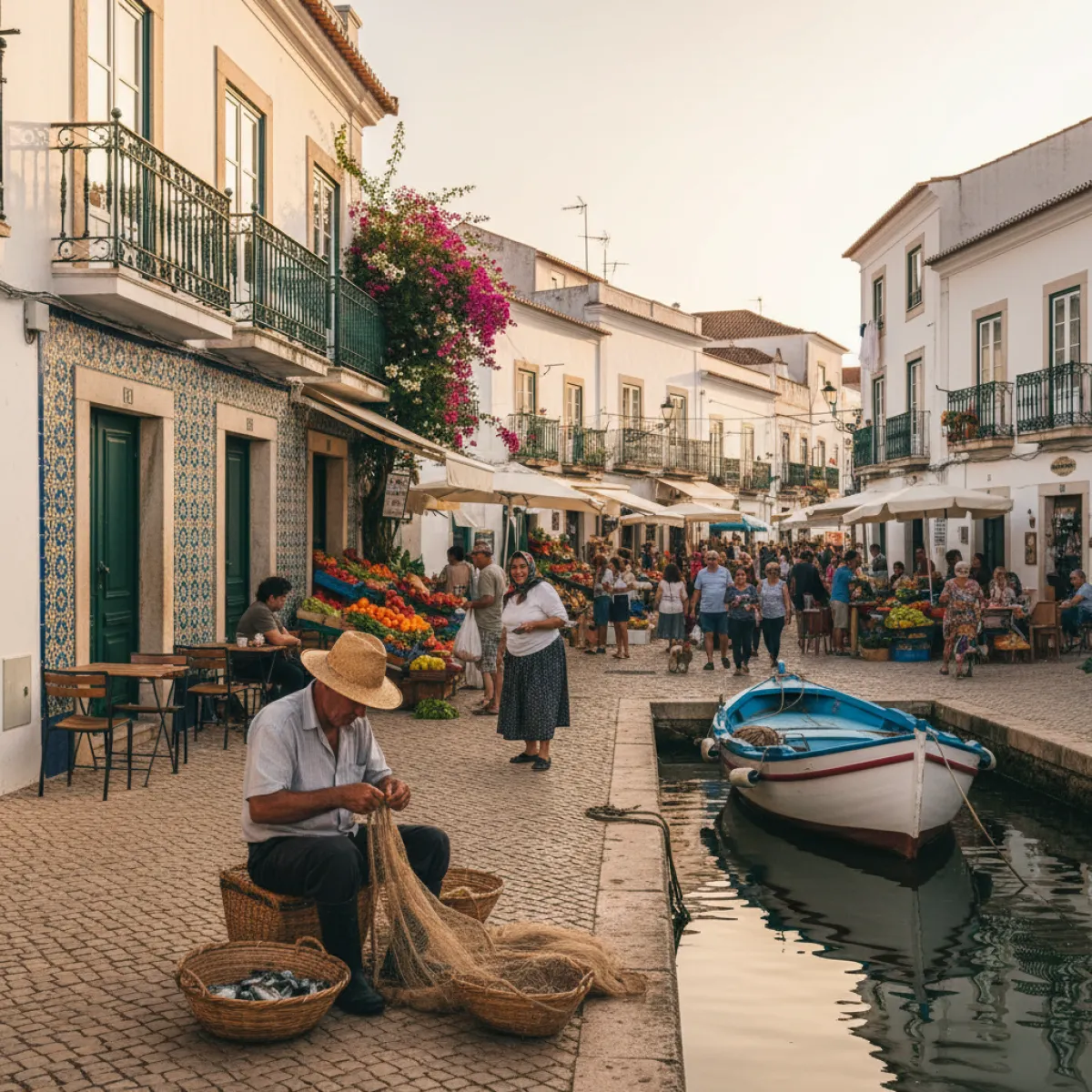
Olhão is not a city for those seeking the catalog-perfect, pristine, and sterile Algarve. It is, instead, a city of industry, salt spray, and fish scales, where luxury is not measured in hotel stars but in the freshness of an oyster plucked from the Ria Formosa channel or the shade of an 'açoteia' at twilight. For the traveler who values substance over form, Olhão offers a raw and deeply rewarding experience without the inflated price tags of neighboring luxury resorts. Here, budgeting is not a constraint but a gateway into the real life of the Algarve's largest fishing fleet.
Unlike the experience described in the Lagos Neighborhood Guide, where tourism has heavily shaped architecture and commerce, Olhão remains stubbornly true to its roots. The city is a cubist labyrinth, a legacy of trade routes with North Africa, where houses huddle in white blocks crowned by the famous açoteias, roof terraces where fish was once dried and the arrival of boats was watched. Today, these terraces are the best-kept secret for budget travelers: the right Airbnb or a family pension in the Bairro da Barreta offers views that no five-star resort can replicate.
The Municipal Market: The Beating Heart
The epicenter of Olhão life is the two red-brick buildings by the waterfront. The Municipal Market is not just a place for commerce; it is social theater. For the budget-conscious traveler, the market is your greatest tool. Instead of dining out every night, learn the art of selecting the fish of the day. Look for sea bass, sea bream, or if you want something truly local and economical, 'litão', the dried small shark that is the staple of the Olhão working class.
On Saturdays, the market spills out into the surrounding streets. Local farmers bring dried figs, almonds, oranges that seem to glow, and mountain honey. This is where you feel the true local culture in Faro's neighboring orbit, a lifestyle that shares traits with Faro but gains a more maritime intensity in Olhão. A budget of just 15 euros for a morning at the market can secure ingredients for a kingly feast in your holiday kitchen.
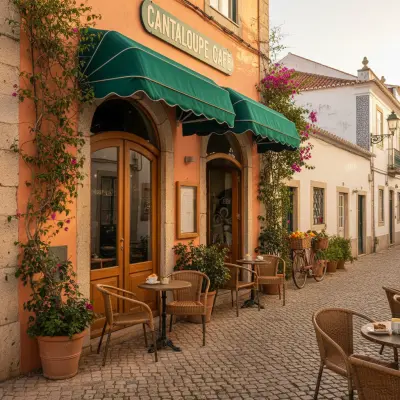
Cantaloupe Cafe and Sunset Therapy
After a morning of exploration, Cantaloupe Cafe emerges as the mandatory refuge. Strategically located next to the markets, this cafe is an institution. It’s not just about the coffee or the craft beers, but the musical curation, jazz and blues are the constant soundtrack, and the unbeatable view of the Ria Formosa. It is the ideal place to observe the city’s rhythm without spending a fortune. Order an 'imperial' (small draft beer) and linger. This is where locals mingle with the international community of artists and writers who have chosen Olhão as their home, escaping the mass culture of Albufeira.
The Barrier Islands: Paradise for Three Euros
Olhão’s greatest asset is the Ria Formosa and its barrier islands. While in other parts of Europe, access to crystal-clear waters and deserted sands costs a small fortune in water taxis, in Olhão the public ferry remains the most democratic and charming form of transport. For about three euros (round trip), you can embark on a slow journey through the estuary channels to Armona Island or Culatra Island.
Culatra Island is particularly special. It is a fisherman’s island, car-free, where paths are made of sand and time seems to have stalled in the 1970s. For budget travelers, the tip is to avoid the frontline restaurants and look for the small 'tascas' in the village’s inner streets. Order the 'arroz de ligueirão' (razor clam rice) or 'amêijoas à Bulhão Pato'. The quality of the product is so high that any culinary artifice would be an insult. Bring your own water and snacks if you plan to head to the island’s more remote areas, where services disappear and only the sound of the Atlantic remains.
Gastronomy: The Art of the 'Petisco'
Eating well in Olhão on a budget is a simple mission, provided you step away from the first line of restaurants facing the estuary. Explore the narrow streets of Bairro do Levante. Look for the houses that still use charcoal grills on the street. The aroma of grilled sardines or mackerel is the best GPS. A lunch of grilled fish, accompanied by a 'salada montanheira' and boiled potatoes, rarely exceeds 12 euros per person, wine included.
Another essential tip is the 'tosta mista' (ham and cheese toast) on homemade bread, a classic of local cafes that, accompanied by a fresh Algarve orange juice, makes for a light and economical lunch. Olhão is also the oyster capital. In the kiosks along Avenida 5 de Outubro, you can taste estuary oysters for a fraction of the price you would pay in Lisbon or Paris. It is the democratization of what was once considered an elite product.
Where to Stay and How to Get Around
To keep the budget under control, the best strategy is to stay in the historic center. You will be within walking distance of everything: the port, the markets, the train station, and the bus stops. Olhão is an extremely walkable city. Forget the car rental. Use the regional train to visit neighboring towns like Tavira or Vila Real de Santo António. It is cheap, efficient, and offers a unique perspective on the Algarvian landscape.
Accommodations like restored guesthouses offer rooms with minimalist design that respect the city’s cubist style. Look for places that offer access to a shared kitchen or an 'açoteia'. Dining on the terrace, with the bells of the Igreja Matriz ringing and the sun hiding behind the white houses, is the definitive Olhão experience, and it doesn't cost a cent extra.
Conclusion: The Value of the Real
Traveling to Olhão on a budget is not an experience of sacrifice, but of choice. It is choosing the market over the supermarket, the ferry over the yacht, and the 'tasca' over the Michelin-starred restaurant. In the end, what you will take with you is not the memory of impersonal service, but the smile of the woman who sold you the figs, the briny taste of the estuary oysters, and the certainty that authenticity is, indeed, the last great luxury of our time.