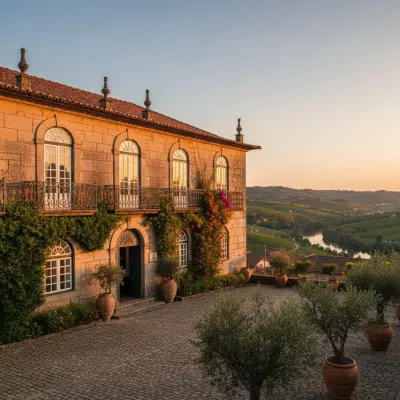
Monção on Foot: Inside the Walls and Along the River
At seven in the morning, Praça Deu-la-Deu smells of fresh bread and coffee, and that is the right time to start exploring Monção. The town has medieval walls in genuine condition, a market worth more than any museum, and local Alvarinho that no glass served in Lisbon can replicate. Give it two days and don't rush.
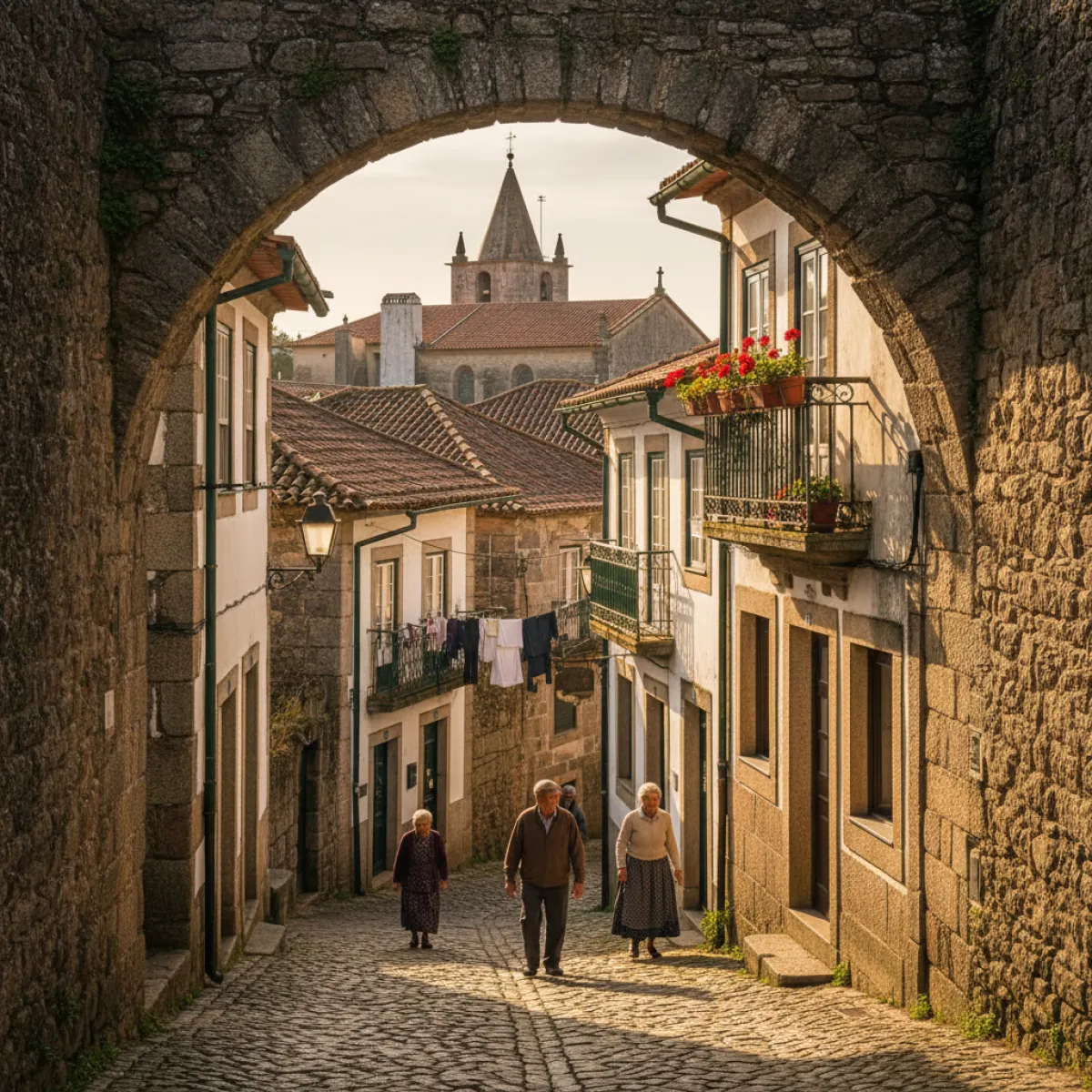
The right time to arrive in Monção is early morning, when the mist off the Minho river hasn't lifted yet and the Praça Deu-la-Deu smells of bread coming out of the oven and coffee from the café that opened at seven. The town wakes up slowly. That's the pace you need to match if you want to get anything real out of it.
Monção is not large. You can cover the essential ground on foot in a single day, provided you don't rush. The problem with most visitors is exactly that: they rush. They walk through the square in ten minutes, photograph the pelourinho, and drive off to the thermal spa feeling they've done Monção. They've done nothing.
The Historic Center: The Walls Are the Map
Monção has medieval fortification walls in remarkable condition. These walls define the first and most important neighborhood to explore: the intramuros historic core. Enter through any of the gates and allow yourself to get disoriented. The streets inside operate at exactly the right scale for walking: wide enough that you won't feel claustrophobic, narrow enough that a neighbor crossing with shopping bags is a genuine event worth stepping aside for.
Praça Deu-la-Deu is unavoidable. But before you sit down at a café table and call it done, take a moment to consider the name. It comes from Deu-la-Deu Martins, a woman who, during a Castilian siege in the 14th century, threw the last loaves of bread in town over the walls at the enemy, shouting something like: God gave it, God will give more. The idea was to convince the Castilians that Monção had enough food to hold out indefinitely. It worked: they lifted the siege. It's the kind of story that tells you something useful about this place: pragmatic, darkly funny, and willing to bet everything on a bluff.
The Igreja Matriz sits just off the square. It's not the most spectacular church you'll see in the Minho, but it has a human scale that invites you in rather than intimidating you. The Romanesque portal is worth a five-minute stop. Inside, if the afternoon light comes through the south windows, the illumination is genuinely good.
What to Do Inside the Walls in the Morning
Arrive before nine. The municipal market brings the neighborhood to life with an energy that evaporates by mid-morning. This is where you understand what people eat in Monção: oversized cabbages, green beans, dense cornbread. If you're here between January and April, there will be lamprey. Buy one if you know what to do with it. If you don't, book dinner at a local restaurant that serves lampreia à Bordalesa and learn to eat it properly: with cornbread to absorb the dark sauce, and no reason to be anywhere else for the next two hours.
Alvarinho is the other reason to be here. Monção and Melgaço form the most prestigious sub-region for Alvarinho within Vinho Verde. There are quintas in the area that accept visits, check locally for availability and hours, but any decent tasca serves a glass of local Alvarinho that will make the Alvarinhos you've had in Lisbon taste like sparkling water. Drink it cold, looking at the walls, and resist the urge to move on.
The Riverside: Spain Across the Water, and Why That Matters
Leave the walls through the northern gate and walk down to the Minho river. On the other side is Salvaterra de Miño, in Galicia. On the right day you'll see fishing boats working the current. On others, just the slow movement of water in late afternoon. It's one of those places where the border is visible and simultaneously irrelevant: the language, the food, the granite architecture, everything is a continuation of the same world, interrupted only by a river.
The riverside promenade is pleasant without being remarkable. It takes about twenty minutes to walk end to end, with benches in the shade and views across to Spain. What matters here is not the destination but the decompression: after navigating the tight streets of the historic center, the open space of the Minho does something good to you. Go in the late afternoon, when the light hits the river at an angle and the stone on the banks takes on a warmer tone.
If you're here on a weekday morning, you might see fishermen at work. The lamprey that ends up on plates in Monção's restaurants in February and March comes from this river. It's one of the few regional delicacies that hasn't traveled well outside its geographic context: eating lampreia à Bordalesa in Monção, with a cold Alvarinho, is a genuinely different experience from eating the same dish in Lisbon.
Beyond the Walls: The Monção Nobody Photographs
Outside the walls, Monção looks like any functioning small town in the north of Portugal: a supermarket, a couple of pharmacies, some unremarkable shops. I'm not going to sell you that as a discovery.
What is worth your time is the Termas de Monção, even if you're not ordinarily a spa person. The thermal baths have a long history here and the local sulfurous water has an old reputation. Today there are modern facilities offering treatments and thermal baths. It's not Saturnia and it's not Baden-Baden, but after two days walking on Portuguese cobblestone, the idea of putting your feet in hot water becomes suddenly very appealing. Check hours and prices locally before showing up.
This outer neighborhood, between the thermal baths and the wall perimeter, also has several 19th and early 20th-century manor houses worth glancing at as you pass. Nothing is labeled as a monument and nothing has an explanatory plaque. They're simply large houses with iron balconies and walled gardens that remind you Monção once had a local bourgeoisie with money and ambitions.
Where to Stay: A Practical Note
If you're spending more than one day in Monção, which I'd recommend, consider staying at Paço Alojamento Local. The name suggests a property with some history to it, and being based inside or near the historic center of a town this size changes everything. Early morning walks before the town wakes up, evening strolls after the day-trippers have left: those are the moments Monção is best at. You won't get them if you're sleeping in Valença and arriving by car.
Getting There and How Long to Stay
Monção is about 110 km from Braga and 125 km from Porto. A car is the most practical option: the A3 motorway takes you to Valença and then it's a national road into Monção. Bus connections exist but schedules are limited, check before you travel.
A full day covers the essentials. Two days lets you move without rushing, have a long lunch, walk the riverfront at different hours. If you're building a Minho circuit, Monção fits naturally with Valença, Ponte de Lima, and Arcos de Valdevez on a two-to-three-day route heading south.
As you continue south through the Minho, Barcelos is one of the region's most underestimated towns. For families planning a stop there, our honest guide to Barcelos with kids cuts through the usual tourist mistakes. If you're serious about coffee and cake, our café-by-café Barcelos guide tells you exactly where to order and what to skip. And before you commit an afternoon to any of the town's cultural spaces, the piece on which Barcelos museums are worth your time will save you at least one disappointing visit.
What to Eat and Drink
- Lampreia à Bordalesa: The primary reason to be in Monção between January and April. Order it with cornbread and don't rush the sauce.
- Local Alvarinho: Any bottle from a producer in the Monção-Melgaço sub-region. More body, more minerality, and incomparably better served on location than anywhere else.
- Rojões à moda do Minho: The region's pork dish, with chestnuts and blood. Not light, not subtle, exactly what you want after a morning on cobblestones.
- Cornbread (pão de milho): Buy it at the market in the morning. It goes stale by afternoon and that's not a metaphor, it's just how cornbread works.
The Honest Final Word on Monção
Monção is not a place that will change your life. It doesn't have the impact of Guimarães or the composed beauty of Ponte de Lima. What it has is a functional authenticity: a town still inhabited and used by its own people, a historic center that hasn't been converted into a tourist theme park, and a regional cuisine that exists because the locals want it, not because they're marketing it to visitors.
That's what walking Monção's neighborhoods is for: not to collect photographs of medieval walls, but to understand that this slower rhythm, this silence on a Tuesday morning at the market, this cold glass of Alvarinho at half past noon, is a very specific way of being in the world. It takes more than ten minutes to understand. Give it exactly that time.