Mirandela and the Alheira: Truth About a Smoked Sausage
The alheira isn't just a snack: it's a Sephardic disguise that became IGP-stamped heritage. Where to eat it, when to go, and why Mirandela earned the title of smoked sausage capital.
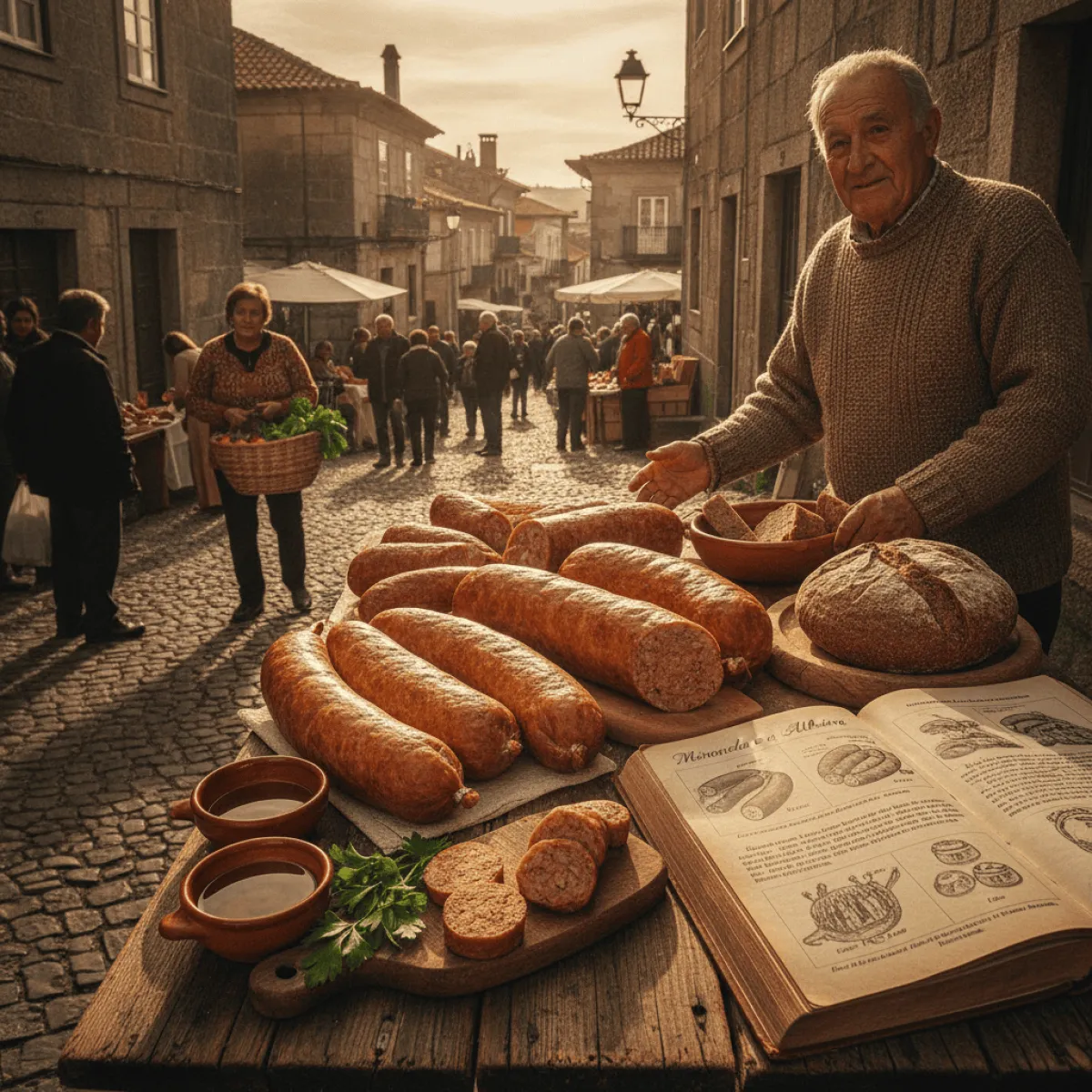
There's a photo everyone takes in Mirandela, and it misses the point. Someone rests a fork on a grilled alheira, still crackling, and frames the old bridge over the Tua river behind it. Pretty. But what actually matters about that plate doesn't fit in the frame: it lives in the story of a community that invented a sausage to survive. The alheira is not just another Trás-os-Montes snack. It's a disguise that became heritage.
Let's be clear about what you're eating. The alheira was born in the 16th century, when Sephardic Jews, persecuted by the Inquisition and forced to convert, needed to look like they were eating pork like good Christians. They hung sausages in their smokehouses that looked exactly like chouriço but were made from poultry, game and bread. The smoke smelled the same. The colour was the same. There was just no pork inside. It was an act of resistance wrapped in casing. Today you order an alheira without a second thought, and that's fine, but it's worth knowing you're eating pure ingenuity.
Why here and not somewhere else
All of Trás-os-Montes makes alheira. Vinhais makes it, Bragança makes it, Mirandela makes it. So why does Mirandela carry the capital title? Because it took the thing seriously enough to scale it up without ruining it. The Alheira de Mirandela holds Protected Geographical Indication status, which means there are rules: it must use poultry and often veal or game, regional wheat bread, olive oil, garlic and paprika, and it must be slowly smoked over wood. It is not a supermarket impostor. It's the real thing, with a stamp.
The smokehouse is the secret. The cooked meat is shredded, mixed with bread soaked in the cooking broth, seasoned and stuffed into casing. Then it hangs over wood smoke, usually oak or holm oak, for days. That slow, cold smoke gives Mirandela's alheira the aroma that clings to your clothes and separates an honest sausage from a paste flavoured with liquid smoke. If the alheira on your plate doesn't smell of woodsmoke, pay the bill and leave.
How to eat it, and how not to wreck it
The classic, correct way is grilled, with the casing splitting and crackling, served with a soft-yolk fried egg and potato. In Mirandela it usually comes with fries or batata a murro, smashed potatoes, plus greens or a wedge of boiled cabbage. You break the yolk over the sausage and the meat drinks the egg. This is winter food, hands-on food, food that asks for a full-bodied Trás-os-Montes red and not some shy, light wine.
Some people order it fried. It works, but it's greasier and you lose the smoke that the grill brings out. Some serve it thin as a modern small plate, in a burger, in pastry. Cute curiosities, but that's not why you come to Mirandela. Come for the whole grilled alheira on a plate, with an egg. The rest is entertainment.
One practical note: don't confuse alheira with salpicão or a meat chouriça. Salpicão is cured pork loin, treated differently. The alheira is soft inside because of the bread. If you love smokehouse cured meats, order a mixed board to taste the differences across the region, but the star is still the alheira.
When to go, and why winter wins
Alheira is smokehouse food, and the smokehouse belongs to cold weather. The peak runs from December to February, when traditional slaughters feed the smokers and the town breathes smoke. There's usually an alheira fair in winter, with tastings and producers. Confirm the dates locally before you plan around it, because they shift from year to year, but the idea is simple: go when it's cold and the alheira tastes better off the grill.
That said, Mirandela doesn't close in summer. Turn up in June or July and you'll find the town hotter than you expect, because the Tua valley is one of the warmest spots in Portugal in summer. The alheira is available all year, and in those months it pays to attack the smokehouse at lunch and leave the afternoon for the riverbanks.
Where to look at the town before you eat it
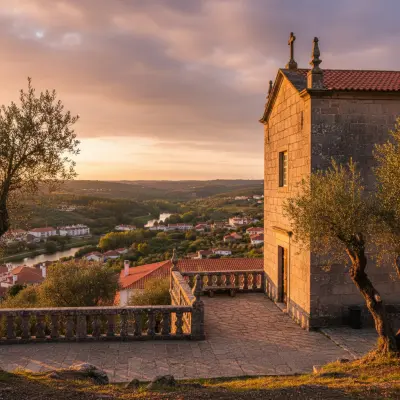
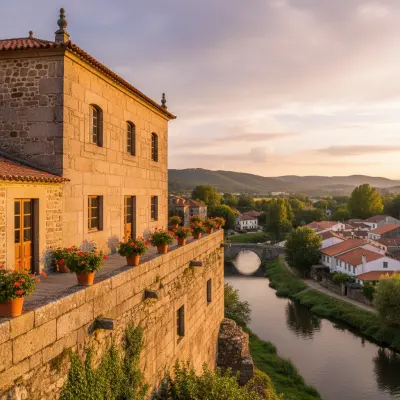
Mirandela is best seen from above, and it has viewpoints worth the climb before you sit down. The Miradouro da Igreja de São Bento gives you the town and the river in one frame, ideal in late afternoon when the light softens over the rooftops. To grasp the scale of the valley and how the town spreads along the bank, climb up to the Miradouro do Paço dos Távoras, tied to the family that shaped local history. And if you have a car and the urge to leave the centre, the Miradouro de Franco opens the horizon over the plateau and is the right place to build an appetite with a short walk.
My visit always follows the same logic: viewpoint first, hunger rising, table right after. Eating an alheira after seeing the valley its smoke comes from changes how you taste it. That's not poetry, it's context.
Beyond the plate: the wine and the road
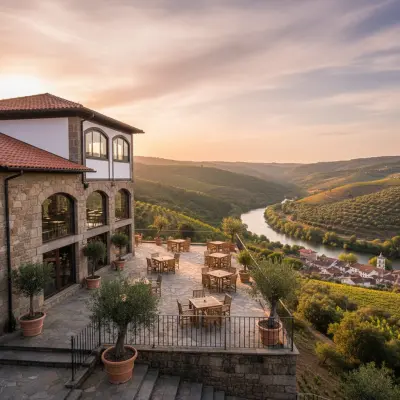
Alheira wants red wine, and the region delivers. The Tua valley and the surrounding plateau produce wines with structure, and the best way to understand that isn't in a supermarket, it's at an estate. I'd book a wine tasting at Quinta das Corriças in Mirandela to connect what's in the glass with what's on the plate. It's the kind of afternoon that justifies the trip on its own, and it gives the alheira a partner worthy of it.
If you need to balance the smokehouse excess with something calmer, there's a meditation walk in Mirandela we wrote about without illusions, telling you what actually exists and what's just marketing. It doesn't promise enlightenment. It promises an hour of walking with a lighter head before lunch, and sometimes that's exactly what you need.
If you make Mirandela a base
Mirandela has the geographic advantage of being well connected to the rest of Trás-os-Montes, and it would be a waste to eat alheira and drive off. Just over an hour away, the Barroso plateau opens up with dramatic landscape: it's worth reading our Montalegre winter photography itinerary if you travel in the cold season with a camera around your neck, and the guide to Montalegre beyond Barroso, with its castle, castro and mountain kitchen if you want to see that Trás-os-Montes cooking doesn't end at the alheira. To close the triangle to the east, the guide to Mogadouro at sunset, with June viewpoints shows another side of the plateau, drier and brighter.
How to get there and what it costs
Mirandela sits in the northeastern corner of Trás-os-Montes, about two and a half hours from Porto via the A4 and then the IP4, depending on traffic. A car is the easiest way, because the viewpoints and the estates need wheels. The town has a train station, but connections are limited, so confirm timetables before you rely on rail.
On money, a plate of grilled alheira with egg and potato in a family-run Trás-os-Montes restaurant runs at honest tavern prices, not big-city ones, but prices change and you should confirm on the spot. What doesn't change is the value: nobody leaves these tables hungry. Bring an appetite and bring time. The alheira is not a meal to eat in a rush between meetings.
One last note, and it's the most important. Don't come to Mirandela looking for an experience packaged for tourists. Come for the simple, serious thing that is eating a sausage invented out of necessity, perfected over generations and slowly smoked over wood. Eat it hot, with the yolk running, a local red beside it, after you've seen the valley from above. Do that and you'll understand why this town, and not another, earned the right to call itself the capital.