Machico's Real Table: Where Locals Actually Eat
In Machico, locals eat with their backs to the sea and their eyes on the plate. An honest guide to limpets, bay-laurel espetada, scabbard fish with banana, and the poncha you sip slowly.
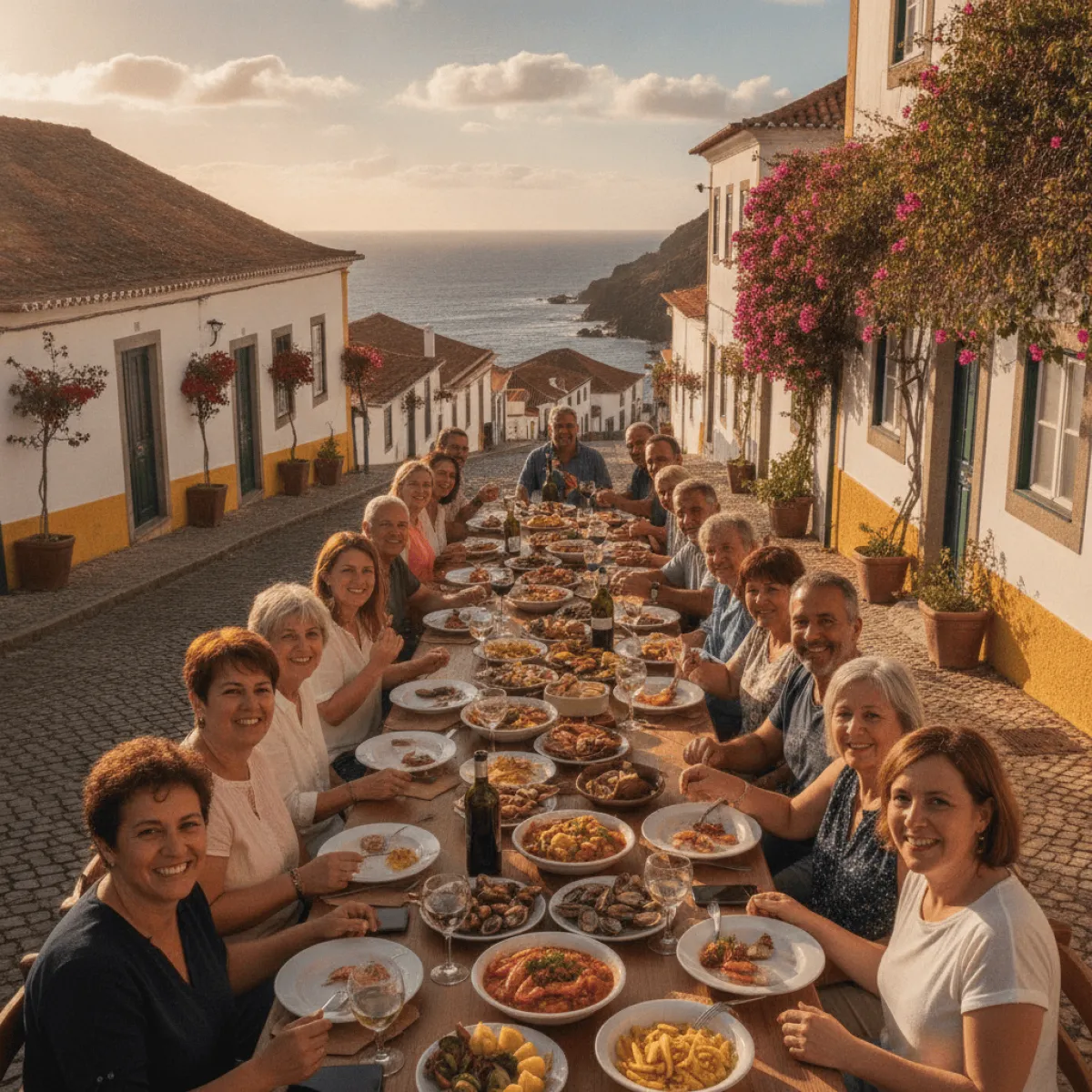
There is a moment, around 1pm on a weekday in Machico, that tells you everything you need to know about how this town eats. The tourists are down on the imported yellow-sand beach photographing the water. The locals are sitting with their backs to that same sea, on some terrace, prising a limpet loose with a toothpick and passing the poncha around. The view doesn't interest them much. Lunch, on the other hand, is taken very seriously.
Machico is Madeira's historic front door, the spot where Zarco and his crew came ashore in 1419, and it has a more honest relationship with food than Funchal does. There's no pressure here to impress busloads of cruise passengers. There's fish that came in this morning, fried corn that crackles the way it should, and a stubborn pride in doing things the way they've always been done. This is the guide to eating like someone who lives here, not someone passing through.
What to order before anything else
Start where every Madeiran table starts: bolo do caco. Forget the word "cake". It's bread, round and flat, traditionally baked on a basalt stone (the caco), served scalding hot and slathered in garlic and parsley butter. If yours arrives cold or without the butter running off the edges, you're in the wrong place. It's the simplest test of whether a kitchen cares.
Then, limpets. Grilled in the oven with butter, garlic and a wedge of lemon to squeeze over the top, lapas are the snack that defines the Atlantic. They run between 7 and 10 euros a plate in most places, and you eat them with your fingers, no ceremony. After that comes the real decision: fish or meat.
Black scabbard fish and banana
If one dish separates people who understand Madeira from people who don't, it's espada com banana: black scabbard fillet with fried banana. It sounds absurd at first (a deep-sea fish fried up with banana on top), but it works. The sweetness of the banana cuts the richness of the fish, and a passion fruit sauce over the top closes the triangle. The black scabbard is fished hundreds of metres down off the coast, and in Machico it's fresh almost by definition. Expect 12 to 16 euros for a proper plate.
If you arrive in June, know that it's tuna season, a story I tell in more detail in the guide to Funchal in June, between tuna, levadas and festival nights. But tuna isn't trapped in the capital: atum de cebolada, tuna with onions, shows up on Machico menus when the catch is good. Always ask if there's fresh tuna in that day.
Espetada as a ritual
Madeiran espetada is not just any skewer. It's cubes of beef seasoned with nothing but coarse salt and garlic, threaded onto a fresh bay laurel stick (not a metal skewer, that's heresy), and grilled over charcoal or wood. The bay laurel perfumes the meat from the inside out. It's served hanging, dripping, usually with fried corn and bolo do caco alongside. This is festival food, family Sunday food. A generous skewer for two runs 25 to 35 euros, and it's worth every cent if the beef is good.
Restaurante Lily: the safe bet
When people ask me for a place in Machico that doesn't miss, I point them to Restaurante Lily. It's the kind of spot where you eat well without theatre, traditional Madeiran cooking made with respect for the ingredients. Go thinking about fresh fish and the house classics, leave your phone in your pocket, and ask the waiter what came in that day. The best meal in Machico is usually the one that isn't on the printed menu but the one the cook decided on in the morning, when he saw what the sea had given up.
One rule I follow in any Machico room: if the place is full of people speaking Portuguese with an island accent, sit down. If it's full of menus translated into five languages and photographs of the dishes, get up and find something else.
Poncha, and how not to look like a tourist
No meal in Machico is complete without poncha. The traditional recipe is simple and brutal: sugar cane spirit, bee honey (or sugar), and lemon juice, stirred with a wooden tool called a caralhinho. There's the passion fruit version, sweeter and dangerously drinkable. The fisherman's poncha, stronger, was what the men drank before heading out to sea, and there are still people who take it that seriously.
The tourist mistake is ordering one and stopping there, or drinking it too fast. Poncha is sipped slowly, in good company, and respected. A glass runs 2 to 3.50 euros. Two glasses and a whole afternoon vanishes without you noticing. Consider yourself warned.
Where and when to eat (logistics without the drama)
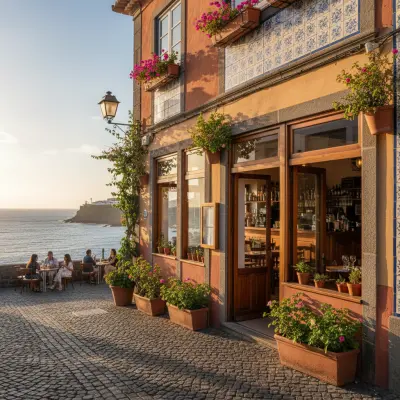
The heart of eating in Machico is the area around the bay and the beach, and the narrow streets of the Old Town. Lunch, between 12:30 and 2pm, is when the locals appear and when the fish is freshest. Dinner winds down early: by 10pm a lot has closed, especially out of high season. This isn't a nightlife town, it's a long-lunch town.
- Breakfast: a coffee and a pastry at a neighbourhood pastelaria, away from the seafront. The espresso costs under a euro and tastes better where the tourists don't reach.
- Lunch: the main event. This is where you spend your budget and your time.
- Afternoon snack: Madeiran honey cake or a slice of island cheese, if you can find it.
- Dinner: early and quiet. Book at weekends in high season.
For a full lunch with a starter, a main of fish or espetada, a drink and coffee, count on 18 to 28 euros per person at an honest place. Cheaper than Funchal, and almost always more authentic.
Build an appetite first
The best way to arrive at a Machico table genuinely hungry is to walk there. The Vereda do Larano, the fisherman's trail, is one of the loveliest walks on the eastern coast, the sea always in view and the salt smell clinging to your clothes. You come back with your legs burning and that clean hunger only a morning outdoors gives you. It's the perfect prelude to an espetada.
If you'd rather take it easy, the self-guided street art walk through the Old Town leads you down the lanes where, between one mural and the next, you'll stumble onto little taverns that show up in no international guidebook. Those are often the best ones. And if you want to make the whole island a string of good tables, it's worth seeing how the island's rhythm works in the 24 hours in Santana itinerary and the routes laid out in the guide to Funchal's essential levadas, because on Madeira you always eat better after a walk.
Where to stay so you can eat slowly
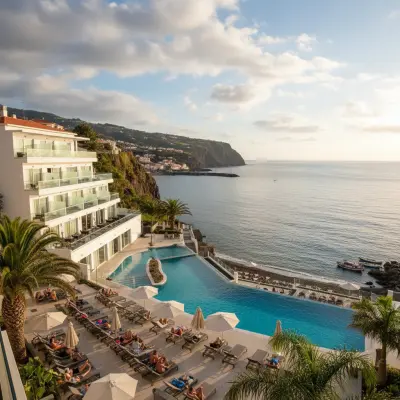
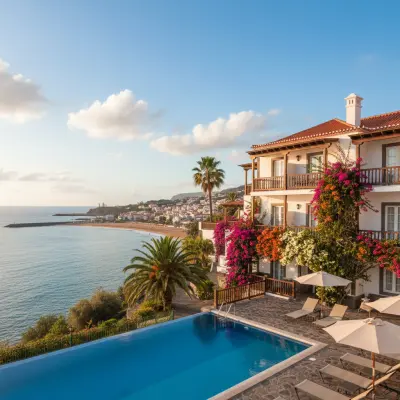
To make Machico a base and not just a stop, there are two options I recommend depending on your mood. The Hotel White Waters, right by the bay, is practical if you want to head out at night, eat on a terrace and walk back without fuss. The Hotel Vila Bela is the choice for those who prefer quiet and want to wake up unhurried before another serious lunch. At either one, the advice is the same: don't eat at the hotel every night. The food that matters is out there, at the small tables.
The golden rules of eating here
- Lunch big, dine light. That's the town's rhythm, and the fish is better at midday.
- Always ask for the catch of the day before what's printed on the menu.
- Cold bolo do caco is a warning sign. Butter dripping off the edges is a good omen.
- Poncha is sipped slowly. Always.
- If a place only has English-speaking customers and photos on the menu, there's something better a hundred metres on.
- Don't be shy of the limpets or the messy fingers. That's how you eat them.
Machico won't dazzle you with chef-driven restaurants or endless wine lists. What it gives you is rarer: a table where the food is still a conversation between the sea, the land and the person cooking. Sit with your back to the view, like the locals do, and you'll understand why.