Machico Beyond the Airport: The Town Nobody Stops For
Everyone passes through Machico on the way to Funchal and nobody stops. Mistake: this is where you find Madeira's only golden sand beach, the Larano cliff trail, and the best lemon poncha in the east. Here is why you should slow down.
The place everyone passes and nobody stops in
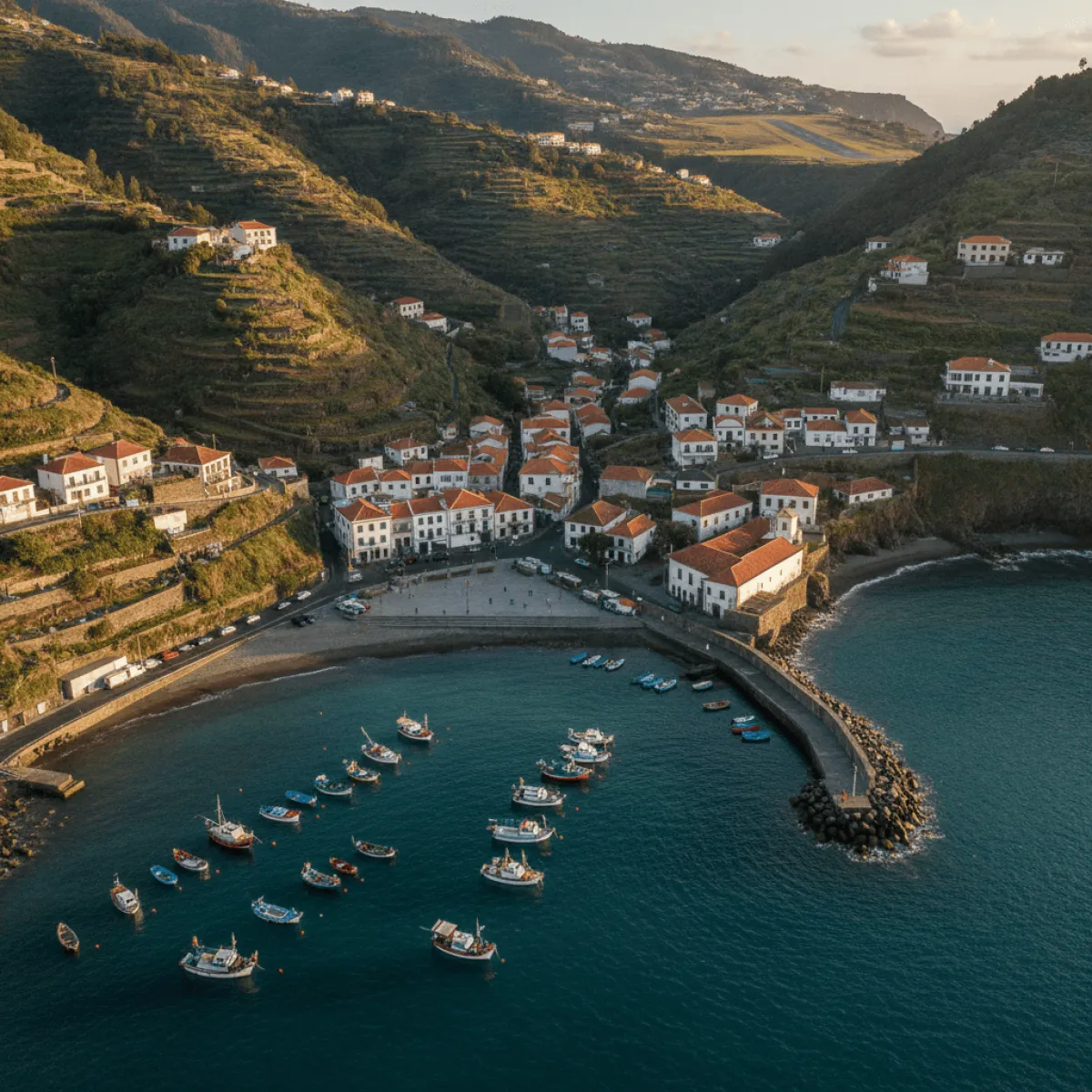
Machico has a public relations problem, and that problem is the airport. Madeira's runway sits ten minutes away, which is why the vast majority of people who land on the island see Machico exactly once: through the window of a rental car, on the way to Funchal, at a speed that makes reading any sign impossible. The town gets treated as a roundabout. That is a mistake.
This is where Madeira's story literally began. In 1419, João Gonçalves Zarco and Tristão Vaz Teixeira came ashore in this bay, and the colonisation of the island started right here. Tristão Vaz Teixeira took the captaincy of Machico, which for decades made it Funchal's rival. Machico has long since lost that battle for prestige without much grief, and that is exactly why it is worth your time: it is a real Madeiran town, full of people who work the sea and the land, not a polished backdrop for photographs.
I came expecting a mandatory pit stop and stayed three days. Here is what I learned.
The sand beach that came from Morocco
Let us address the elephant in the room: Praia de Machico has golden sand, and on Madeira that is a geological scandal. The island is basalt, black rolled pebbles, and its natural beaches are rocky and unkind to city feet. Machico's sand was imported from the Western Sahara in the 2000s and poured into a bay sheltered by two breakwaters. The result is the only easily accessible golden sand beach on the island, and the locals know it: on summer weekends it fills with families from Santa Cruz and Caniçal, not tourists.
The trick is to go early. By eight in the morning the bay is calm, the water hovers around nineteen or twenty degrees in summer, and you have the beach almost to yourself before the seaside crowd wakes up. Do not expect the Caribbean: this is an urban beach with the noise of the town beside it. But it is genuine, and the view of the green slopes that close off the valley is something no Algarve beach can offer.
The old town and the art on the walls
Machico's historic centre is small and walkable in one unhurried morning. The fifteenth-century parish church of Nossa Senhora da Conceição has a white marble Manueline portal said to have been a gift from King Manuel I. Across the river stands the Chapel of Miracles, tied to the legend of the English lovers Robert Machim and Anna d'Arfet, who, the story goes, gave the town its name. The chapel was once swept away by a flood and rebuilt; the crucifix that survived the waters is venerated every year on the 8th and 9th of October, in the town's most important festival.
But Machico's best surprise is not in its monuments, it is on its walls. In recent years the town has filled with street art, scattered across the narrow lanes of the old quarter, and the best way to find it is simply to get lost. If you prefer method, follow this self-guided walk through the old town's street art, which strings the main murals into a route you can do in a comfortable hour and gives you the perfect excuse to slip into the alleys where rental cars never reach.
Take in the view from the Fort of São João Baptista, also known as the Fort of Amparo, the small yellow eighteenth-century fortress guarding the river mouth. It is tiny and you will not linger more than ten minutes inside, but the terrace gives you the best framing of the bay for a photograph.
Where to sleep: stay, do not pass through
The big mistake visitors make on Madeira is concentrating everything in Funchal and turning Machico into a lunch stop. If you want to feel the rhythm of the east of the island, sleep here at least one night.
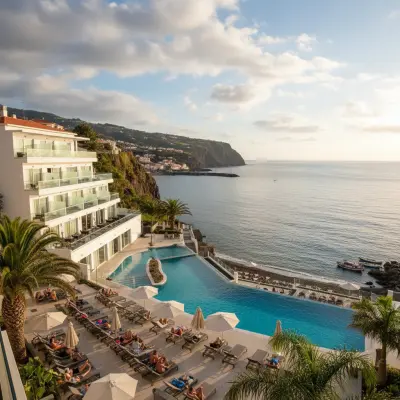
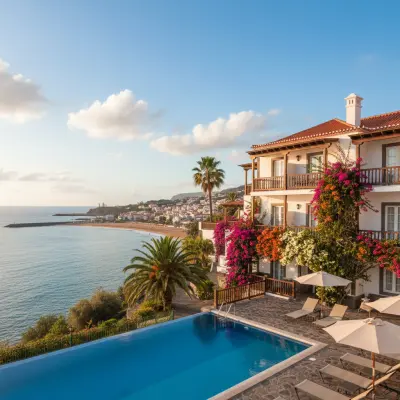
Right in front of the beach sits the Hotel White Waters, the easiest choice for anyone who wants to wake up with the bay at the door and walk down to the sand in their pyjamas. For a stay with more character and a garden, the Hotel Vila Bela is the pick for those who prefer to step back a little from the bustle of the seafront without losing proximity to the centre. Either one is a short walk from the restaurants downtown, which means you can have dinner and stroll back without touching the car.
One unromantic but very real advantage: sleeping in Machico on your first or last night spares you the drive to Funchal right after landing or before a flight. The airport is ten minutes away. It is one of the rare times when being near a runway is a blessing.
At the table: fish, limpets and good sense
Machico eats well because it eats fish that lands at the harbour next door. The rule is simple: order what came from the sea that day and be suspicious of menus with fifty dishes.
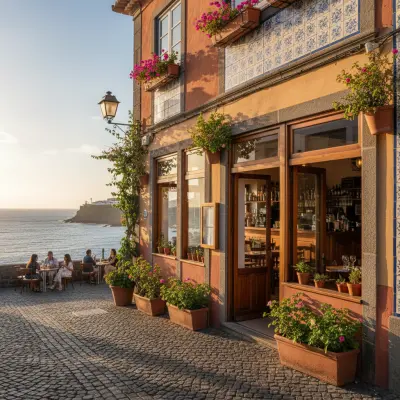
My reference point is Restaurante Lily, the kind of family-run place you go to for grilled fish and beef espetada on a bay laurel skewer, not for the decor. Order grilled limpets with garlic and lemon to start, a good fish of the day next, and have it with milho frito, the fried cornmeal cubes that are Madeira's signature side and far better than the chips they keep serving tourists. To drink, a lemon poncha made on the spot, beaten with sugarcane spirit, honey and lemon juice. One is enough; two and the afternoon disappears.
If you are after tuna, and on Madeira tuna is taken seriously, you will find it best served in Caniçal, the fishing village right next door, where the tuna-fishing tradition still rules. Atum de cebolada, fried tuna smothered in stewed onions, is the dish that defines eastern Madeiran cooking. This obsession is not unique to the east: in Funchal, in high summer, tuna is a festival star, as I describe in this guide to Funchal in June, between tuna, levadas and festival nights.
The best of Machico is uphill
The bay is pretty, but the real reward in Machico is on the slopes. The town is wedged into a deep valley, and the moment you leave the seafront the trails start climbing.
The walk you cannot skip is the Vereda do Larano, the old fishermen's path that links Machico to Porto da Cruz along a ledge cut into the cliff, with the sea always below you. It is a moderate trail with narrow sections and sheer drops, so it is not for anyone who suffers from vertigo, but the scenery has no rival in the east of the island. The best season is spring, when the slopes are green and the heat has not yet bitten, and I describe the route in detail in this account of hiking the Larano, the fishermen's trail in April. Carry water, proper footwear and sunscreen; there are no cafés along the way.
A short drive away is Ponta de São Lourenço, the arid golden peninsula that closes off the eastern tip of Madeira, a landscape that looks like another planet next to the green of the rest of the island. It is a different world, treeless and battered by wind, and the contrast with the damp inland trails is the best geography lesson Madeira can give you.
How to use Machico: three honest itineraries
Machico works better as a base than as a standalone destination. Here is how I would play the cards:
- If you have half a day: historic centre in the morning, a fish lunch, and the fort terrace late in the afternoon. A quick dip if the weather plays along.
- If you have a full day: add the Vereda do Larano early in the morning and reward yourself with a poncha at lunch. In the afternoon, the street art and the beach.
- If you have more time: use Machico as a basecamp for the east and set out from here to Ponta de São Lourenço, Caniçal, and Santana on the north coast, with its triangular thatched houses. For that day, it is worth getting the pace right with this 24 hours in Santana itinerary.
And of course Funchal is always there, twenty-five minutes down the expressway. But do the opposite of everyone else: sleep in Machico, head to Funchal in the morning for the classic levada walks I cover in this guide to Funchal's levadas worth your time, and come back east for a calm dinner, far from the queues at the capital's restaurants.
Getting there and getting around
From the airport, ten minutes by car or taxi down the expressway. The island bus network also links Machico to Funchal several times a day; check the timetables locally, as they shift with the season. Inside town everything is done on foot, and that is the charm of it. For the trails and for Caniçal, though, a car is practically essential, because public transport is sparse and slow.
One last piece of advice: do not treat Machico as the airport waiting room. Treat it as what it is, Madeira's first town, one foot in the sand and its head in the mountains, waiting for someone to finally slow down.