Lisbon's Freedom Day: Carnations, Crowds, and the Carmo Spirit
April 25th in Lisbon is more than a holiday; it's a visceral city-wide celebration. From the historic surrender at Largo do Carmo to the massive parade on Avenida da Liberdade, here is how to navigate the crowds and the carnations like a local.
Morning Echoes at Largo do Carmo
At 9 AM on April 25th in Lisbon, the city doesn't just wake up; it remembers. Largo do Carmo is the place to start. If you’re in town for Freedom Day, toss the generic guidebook and head straight for the square where the Carnation Revolution reached its tipping point in 1974. This isn't a day for stiff military parades or hollow political speeches. It’s a day for cold beer in plastic cups, red flowers behind ears, and the sound of 'Grândola, Vila Morena' echoing against the skeletal ruins of the Carmo Convent. There’s a raw, democratic energy here that you won’t find at any other time of year.
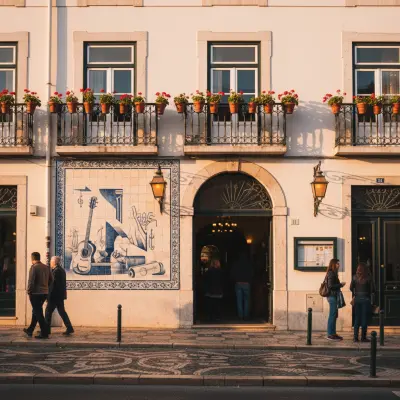
Walk up from Chiado via Rua Garrett. Skip the overpriced, tourist-trap cafes with their frozen pastries. Instead, find a 'pastelaria' where the waiters wear white shirts and the counter is made of cold marble. Order a 'torrada', thick, buttery toast, and a 'galão' (milky coffee). You’ll need the carbs. The crowd at Carmo is a mix of wide-eyed students and white-haired revolutionaries who remember exactly where they were when the tanks rolled in. It’s intimate, loud, and deeply personal. To understand the neighborhoods that birthed this spirit, check out our guide to Local Culture in Lisbon: Traditions, Neighborhoods and the City's Soul.
The Pulse of Avenida da Liberdade
By 3 PM, the action shifts to Avenida da Liberdade. This is the main artery of the celebration. It’s not a parade in the North American sense, there are no giant balloons or corporate floats. It’s a massive, swaying human tide of labor unions, student groups, and families. It’s messy, it’s noisy, and it’s beautiful. My advice? Don’t fight the current. Join it. The scent of diesel from old tractors mixes with the smell of roasting chestnuts (even out of season) and grilled sardines from improvised street stalls.
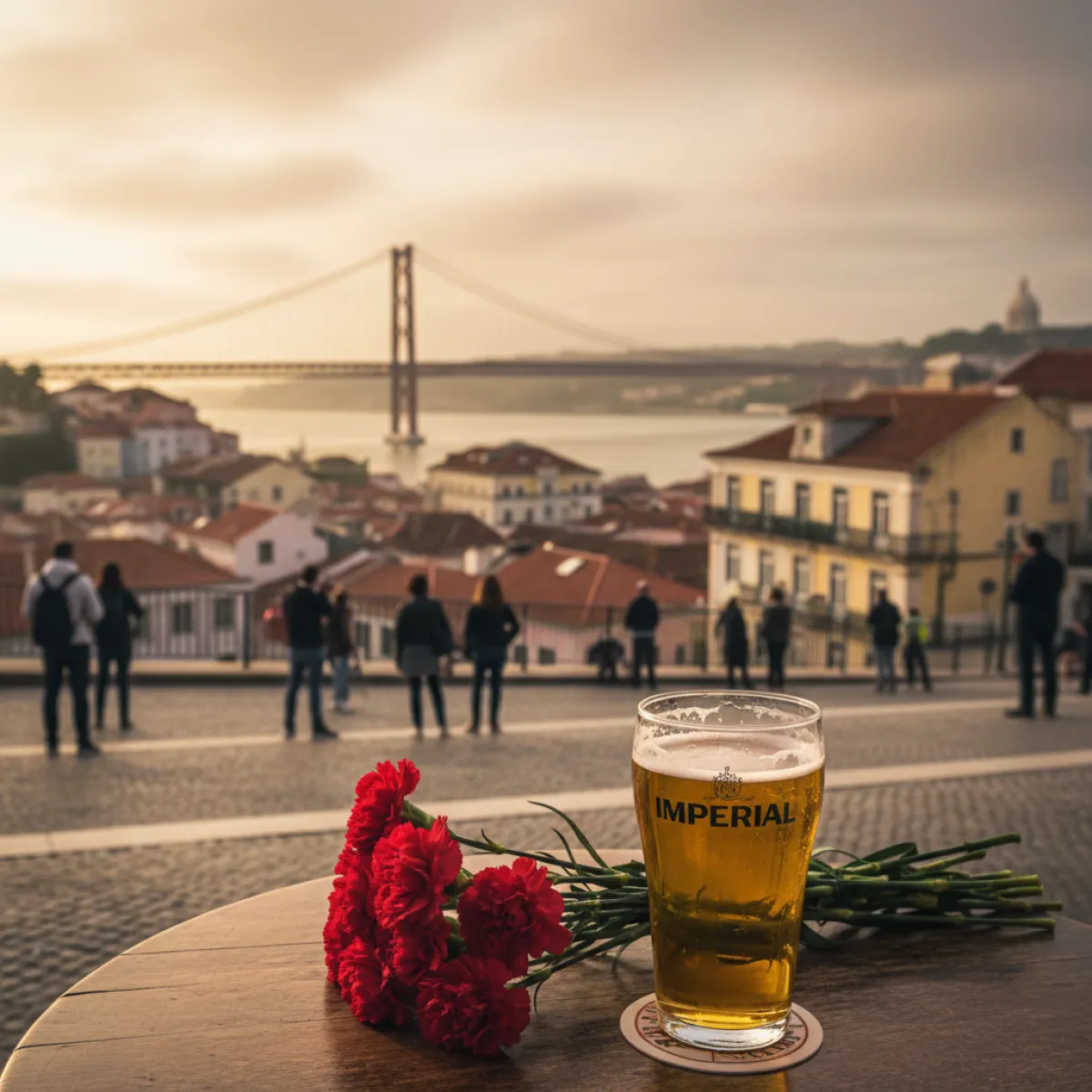
If the heat gets to you, stop at one of the 'quiosques' (kiosks) lining the avenue. The Quiosque Oliveira is a personal favorite for a quick 'imperial' (small draft beer). It’s the perfect vantage point to watch the city’s social fabric unravel and re-stitch itself in real-time. Expect to pay about €2 for a beer, a small price for the best people-watching in Europe. If the crowds become too much, there are plenty of cultural escapes nearby that offer a different kind of freedom.
Museum Sanctuaries: Art Without the Noise
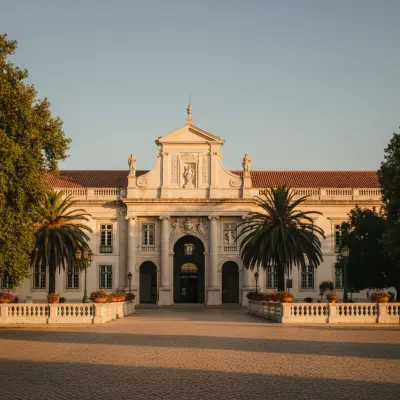
Freedom Day usually means free entry to many of Lisbon’s top cultural institutions. If you need a break from the chanting, the Museu Nacional de Arte Antiga is your sanctuary. Set in an 18th-century palace in the Janelas Verdes district, it houses the Saint Vincent Panels, a 15th-century masterpiece that serves as Portugal’s collective portrait. The museum’s garden, overlooking the Tagus River and the industrial cranes of the South Bank, is one of the most underrated spots in the city. It’s where you go to realize that Lisbon is, and always has been, a city of global crossroads.
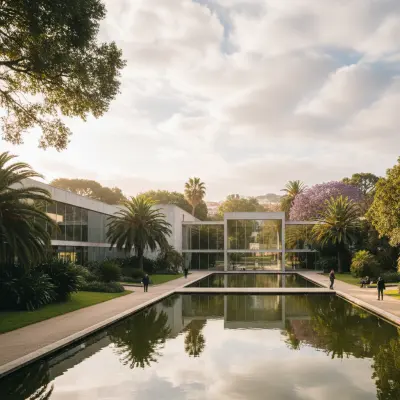
Then there’s the Museu Calouste Gulbenkian. The gardens here are a brutalist dream, thick concrete, hidden ponds, and dense greenery. On April 25th, the Gulbenkian often hosts outdoor concerts or modern art interventions. It’s the meeting point for the city’s intellectuals and artists. Sitting on the grass, surrounded by mid-century architecture and the sound of a string quartet playing revolutionary songs, is a quintessential Lisbon experience. It’s quiet, it’s sharp, and it’s decidedly cool.
The Gastronomy of Resistance: Bifanas and Ginjinha
You can’t celebrate a revolution on an empty stomach. On Freedom Day, forget fine dining. The only dish that matters is the 'bifana'. Head to Beira Gare near Rossio station. It’s a chaotic, high-volume operation where the pork is marinated in garlic, wine, and lard until it’s tender enough to melt into a crusty bread roll. Slather it with spicy piri-piri oil and mustard. It costs about €3.50 and is best eaten standing at the counter while the world rushes by outside. It’s the taste of the working class, elevated to an art form.
Follow it up with a 'ginjinha' at one of the hole-in-the-wall spots in Rossio. For €1.50, you get a shot of sour cherry liqueur that hits like a hammer. It’s a tradition that crosses all social boundaries, bankers, bricklayers, and backpackers all line up for the same sticky, sweet hit. Don’t ask for a seat; there aren’t any. Just stand on the cobblestones and enjoy the glow.
Two Wheels and the River Breeze
With much of the city center closed to cars, April 25th is the perfect day to take to the waterfront on a bike. The river breeze is the ultimate cure for a crowded Avenida. We recommend Cycling the Lisbon Waterfront: The Riverside Tour with Bike a Wish for a relaxed ride from Cais do Sodré to the Belém Tower. The path is flat, the river is wide, and the 25th of April Bridge looms overhead like a giant orange sentinel of democracy.
For those who want to work for their views, the From Peak to Pier: The Downhill Cycling Route from Lisbon to Belém offers a clever way to see the city's topography without the uphill struggle. You get the benefit of the descent from the city's higher points down to the river, passing through residential neighborhoods where people hang red carnations from their balconies. It’s a great way to see the 'real' Lisbon away from the main parade route.
Evening Shadows and the Soul of Fado
As the sun sets over the 25 de Abril Bridge, the mood in Lisbon shifts from celebratory to contemplative. This is when the guitars come out. While Fado was once unfairly associated with the old regime, it has reclaimed its place as the music of the people. To experience this transition, book a table at O Faia - Casa de Fados. Located in the heart of Bairro Alto, it’s one of the few places that manages to be both upscale and authentic. The voices here don’t just sing; they tell the story of a city that has seen it all. Order a bottle of full-bodied red from the Douro and let the 'saudade' wash over you. It’s the perfect punctuation mark to a day of freedom.
Escaping the Capital: Sintra and Cascais
If the Lisbon crowds start to feel like an endurance test, do what the locals do: head for the coast or the hills. Sintra is just a 40-minute train ride away, but it feels like another world. Use our Sintra Neighborhood Guide: Discover Every Corner of the Enchanted Town to skip the overcrowded Pena Palace and find the quieter corners of the forest where the only sound is the wind in the trees. The revolution reached here too, but it’s celebrated with a slower, more pastoral rhythm.
Alternatively, take the coastal train to Cascais. The town usually puts on its own celebrations, from outdoor jazz to community picnics by the sea. If you have a full day, consult the Best Day Trips from Cascais: Unmissable Destinations to plan a hike along the cliffs of Guincho. There’s something about the Atlantic waves crashing against the rocks that makes the concept of liberty feel very tangible. Whether you’re in the heart of the city or on the edge of the continent, April 25th is about remembering that the choice of where to go, and how to get there, is finally yours.
Practicalities for Freedom Day
- Transportation: The Metro is your best friend. Avoid the Baixa-Chiado station if you hate crowds; try getting off at Restauradores or Avenida instead. Buses and trams will have altered routes due to the parade.
- Footwear: This is a non-negotiable. Wear sneakers or sturdy walking shoes. Lisbon’s 'calçada' (cobblestone) is slippery at the best of times, and even more so when there’s a million people on it.
- The Carnation: You’ll see vendors everywhere selling the 'cravo'. They usually cost around €1 or €2. Buy one. It’s the ultimate entry ticket to the day’s vibe.
- Timing: The main march starts at 3 PM at Marquês de Pombal, but the real soul of the morning is at Largo do Carmo around 10 AM. Most museums are free until 6 PM, but check locally for any specific holiday closures.