Lisbon Summer Nights: Viewpoints, Kiosks and Open-Air Cinema
In late June, the Lisbon sun does not set until after nine, and the whole city changes schedule. From the wall of Miradouro da Senhora do Monte to open-air film screenings and a midnight ginjinha at Largo de São Domingos, this is the summer nights playbook, tourist traps flagged.
In late June, the sun over Lisbon does not set until after nine at night. This single fact reorganises the entire city. Dinner slides to ten o'clock, the hills fill with people carrying chilled wine in tote bags, and there is still time for an open-air film before midnight. Summer in Lisbon does not happen indoors. It happens on steps, at kiosks, on the low stone walls of the miradouros. Here is how to do it properly, and which tourist traps to walk straight past.
The viewpoints, ranked honestly
First, the most common mistake: arriving at a miradouro at sunset. Everyone has the same idea, and you end up watching the sky through a forest of raised phones. The smarter move is to arrive at 8pm, claim your spot on the wall, and let the golden hour do the rest.
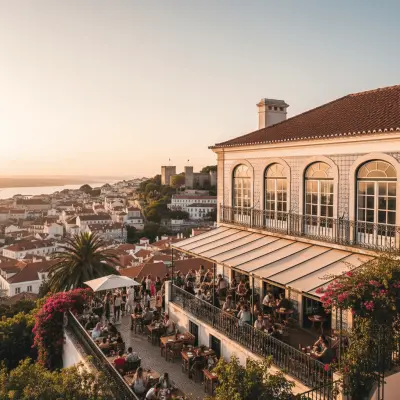
Which viewpoint? Let's be honest about the hierarchy. The Miradouro da Senhora do Monte is the best in the city, full stop. It sits at the highest point of the central hills, the view sweeps from São Jorge Castle to the 25 de Abril bridge, and the steep climb up from Graça filters out a good share of the flip-flop crowd. Bring something to drink, sit on the grass or the wall, and stay until the city lights come on. It is free, it never closes, and it remains the best show in Lisbon.
Just below it, the Miradouro da Graça, officially named after the poet Sophia de Mello Breyner Andresen, has a kiosk with tables, which solves the drinks logistics but draws bigger crowds. Across town, the Miradouro de Santa Catarina, next to the brooding Adamastor statue, has a different energy: younger, scruffier, guitars and long conversations into the night. And Portas do Sol in Alfama has a postcard view over the rooftops to the river, but by early evening it is wall-to-wall tour groups. Go at 8am or skip it.
Kiosk culture: where Lisboners actually sit
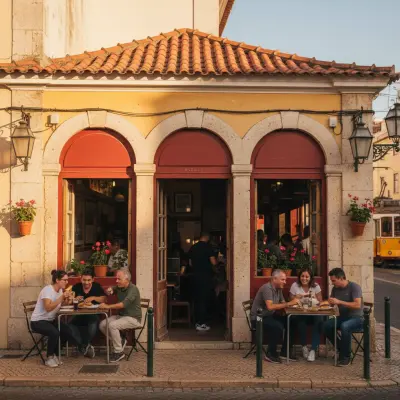
Lisbon's terrace culture lives in its quiosques, the wrought-iron kiosks scattered through squares and gardens where a draught beer costs a few euros and nobody rushes you. The Príncipe Real garden, with its century-old cedar trained into the shape of a giant umbrella, is the archetype: kiosk, shade, benches, and a crowd that mixes pensioners, families and people fresh out of the office. Down by the river, the stone steps of Ribeira das Naus work as the most democratic terrace in town. No tables, no service, just the Tagus two metres away and the sunset straight ahead.
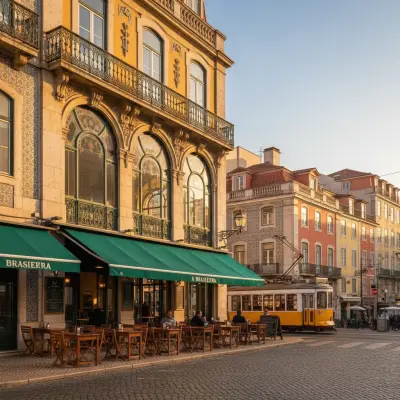
In Chiado, A Brasileira deserves a mention with an asterisk. Open since 1905, with the bronze statue of Fernando Pessoa permanently seated on its terrace, it is fully colonised by tourists, and the espresso at the counter inside is the cheaper, more honest experience. But on a warm July night, with Chiado lit up and buskers working the street, the terrace earns its moment. Pay the terrace premium once, without complaining, and move on.
For dinner before the night begins, skip the laminated-menu restaurants of the Baixa and head straight to As Bifanas do Afonso, near Praça da Figueira. It is tiny, you eat standing up or out on the street, and the bifana, slow-cooked pork in a peppery sauce stuffed into a crusty roll, is among the best in the city. With a beer, that is a summer dinner sorted for a handful of euros. Do not order anything else: the bifana is the entire point.
Open-air cinema and culture after dark
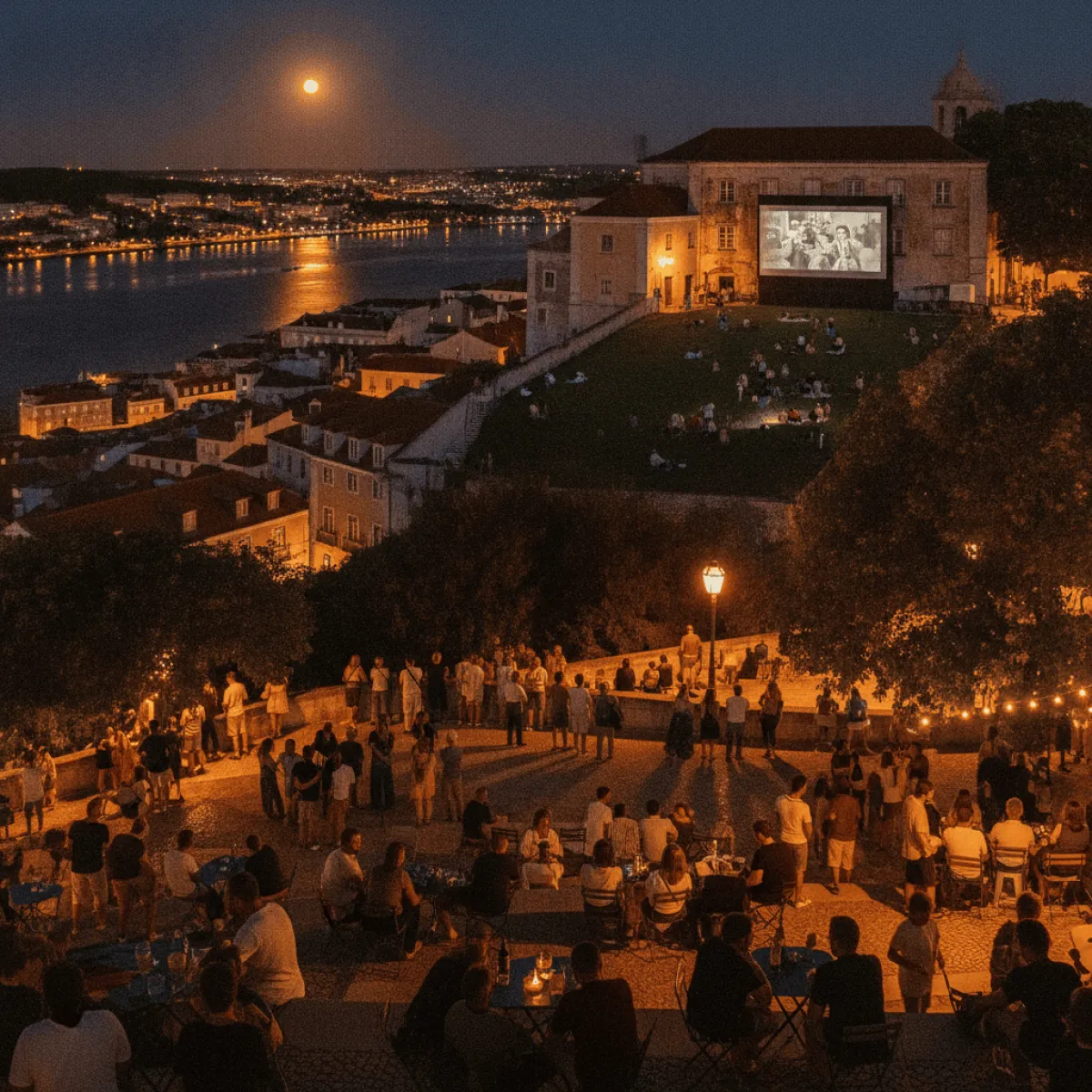
When the heat settles in, Lisbon moves its culture into the gardens. Every summer, open-air film screenings pop up on rooftops, in gardens and in squares across the city. The venues and programmes change from year to year, so check the current season's listings when you arrive. The formula, though, is reliably good: canvas chair, a classic or a recent release, and a dark sky overhead.
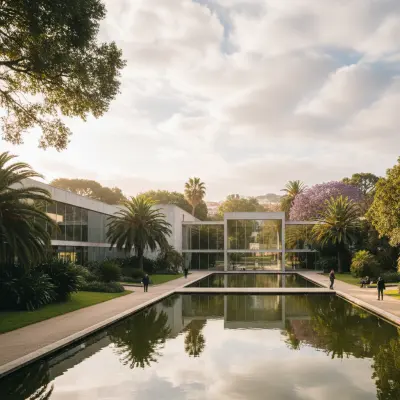
Two institutions deserve a permanent slot in your summer evenings. The garden of the Museu Calouste Gulbenkian is one of the finest green spaces in Lisbon, with a lake, resident ducks and an open-air amphitheatre. In August it hosts Jazz em Agosto, a festival running since 1984 that brings adventurous jazz to warm nights in the garden amphitheatre. Even without a concert, an early evening in the Gulbenkian garden is a local ritual most visitors never find.
On the other side of town, at Janelas Verdes, the Museu Nacional de Arte Antiga holds the Panels of São Vicente and the country's best collection of old masters. The summer trick: the museum's garden has a terrace overlooking the river, one of the most underrated spots in Lisbon for an end-of-day drink. See the collection first, check the opening hours locally since the museum closes relatively early, and finish in the garden with the Tagus in front of you.
After sunset: fado, ginjinha and the long night
Fado in August might sound counterintuitive, a closed room on a hot night, but summer is precisely when it works: you arrive late, dinner unfolds slowly, and you step back out into a city that is still wide awake. In Bairro Alto, O Faia has been a serious fado house since 1947, with first-rate singers and proper Portuguese cooking alongside. Book ahead, keep quiet when the guitarra starts, and plan for a full evening rather than a one-hour show. That is the difference between a real casa de fados and a tourist revue.
For a faster, cheaper ritual, a glass of ginjinha at the counter of A Ginjinha, on Largo de São Domingos next to Rossio, is non-negotiable. The house has been pouring sour cherry liqueur since 1840. The question is always the same, com ou sem elas, with or without the cherries in the glass, and the correct answer is with. You drink it standing on the street, in the thick of the square's foot traffic. Two minutes, done.
If your timing lands in mid-June, the whole city becomes a street party: the Festas de Santo António fill the old neighbourhoods with grilled sardines, potted basil plants and parading marchas, peaking on the nights of June 12 and 13. Alfama, Graça and Bica are the epicentres. To understand the context behind all of it, from the June festivities to fado itself, read our guide to local culture in Lisbon before you dive in.
Getting around on a summer night
Summer Lisbon after dark is best covered on foot, but the hills charge a toll. Tram 28 looks lovely on postcards and is miserable in practice between mid-morning and early evening: if you want to ride it, do so after 8pm, when the tour groups vanish and the real tram reappears. Another option with far more merit than it gets credit for: a bicycle, as long as gravity is working for you. The downhill cycling route from the top of the city to Belém solves the hill problem by starting up high, and the riverside cycle path in the late afternoon, sun dropping over the Tagus, is one of the great simple pleasures of a Lisbon summer. If you would rather stay on the flat, the riverside tour with Bike a Wish is made for the hours after the heat has eased.
The perfect night, in short
- 6:30pm: a standing bifana and beer at As Bifanas do Afonso, or a drink in the MNAA garden with the river in view.
- 8:00pm: climb to Miradouro da Senhora do Monte, claim a spot on the wall, open the wine.
- 9:30pm: walk down through Graça towards Alfama or Bairro Alto, depending on the plan.
- 10:00pm: an open-air film (check the current season's programme) or a fado night at O Faia, booked in advance.
- After midnight: ginjinha at Largo de São Domingos, if you have anything left.
One last tip from someone who has learned it the hard way: even in August, bring a light jacket. The nortada wind picks up late in the evening, and the miradouro wall that was sun-warm at nine is cold stone by midnight. And if the city heat becomes too much, the Sintra hills are forty minutes away by train and a good ten degrees cooler: our Sintra neighbourhood guide makes a fine escape plan for the following day. The nights, though, belong to Lisbon.