Leiria with Kids: The No-Nonsense Guide for Families
Forget the sugar-coated travel tips. Leiria with kids requires a plan, from tackling the limestone castle's steep incline to a pottery workshop in Bajouca where getting dirty is mandatory.
The Survival of the Fittest (or the Most Patient)
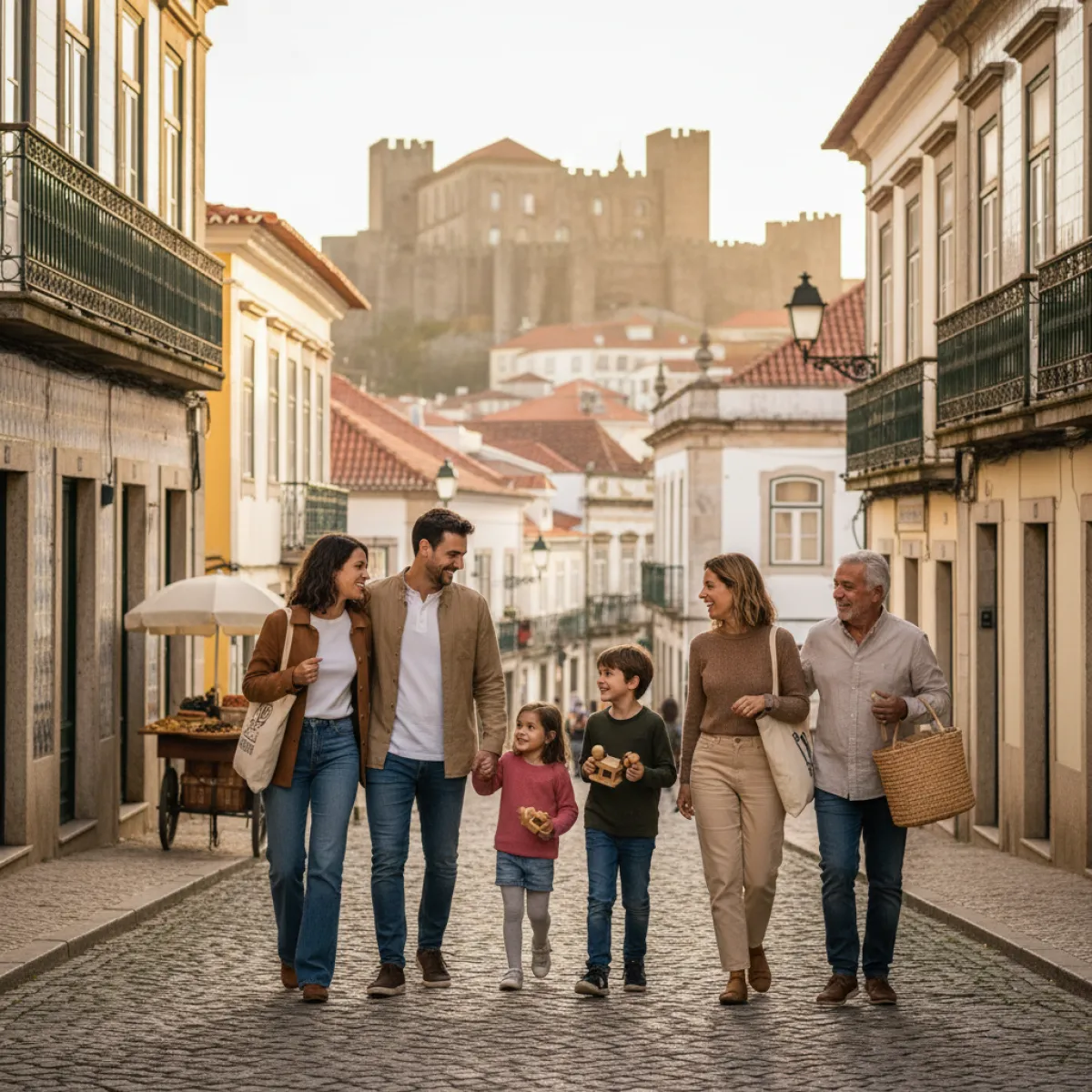
Leiria is often dismissed as that technical pit stop halfway between Lisbon and Porto, a place to stretch your legs, eat a mediocre custard tart at a service station, and move on. That’s a mistake. If you’re traveling with kids, Leiria is the perfect training ground. It’s not Disneyland, and thank God for that. It’s a human-scale city where the River Lis dictates the pace and the castle, perched on the hill, serves as a constant compass. But let’s be honest: traveling with children in Portugal involves uneven cobblestones, inclines that defy any stroller, and the constant management of blood sugar levels. In Leiria, the secret is knowing where to stop and when to ignore the obvious tourist routes.
The Castle: A Stone Playground
Leiria Castle isn't just a romantic ruin for history buffs. For those under four feet tall, it’s a labyrinth of possibilities. Forget the main entrance if a stroller is your weapon of choice; use the public elevator if you’re feeling lazy, but the walk up the northern slope, though demanding, offers shade that the historic center ignores. Once inside, the Loggia, the Gothic gallery with arches, is where you’ll want that mandatory photo. But the kids will want to climb the Keep (Torre de Menagem). It’s dark, cool, and smells of old stone. Tell them this is where armies were watched, not Instagram notifications. The cost is symbolic (about €2 for adults, kids are usually free or discounted up to age 10), and the return on energy spent is unbeatable. By late afternoon, the light hits those limestone walls in a way that makes anyone look like a National Geographic photographer.
The Art of Dining Without Drama
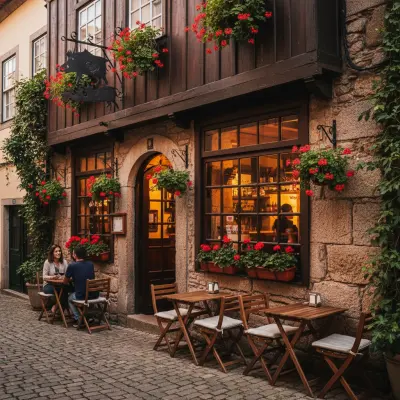
Leiria has a food scene that survives well beyond the passing tourists. When hunger strikes and the kids start entering a nervous breakdown phase, your choice of restaurant is critical. If you want the comfort of a kitchen that understands local produce without the rigidity of fine dining, Casinha Velha is your safe harbor. Forget the kids' menus of fish fingers and fries; here, the food is real. Order the cod or the black pork. The place has the patina of somewhere that has known how to welcome guests for decades, and the noise of the kids gets lost in the animated chatter of neighboring tables. It’s the kind of place where service is efficient and won’t leave you hanging for 40 minutes for a dish.
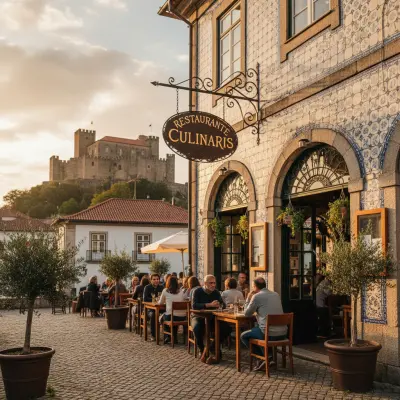
For something more relaxed, almost like being in a tavern from another time but with a modern twist, Mata Bicho Real Taverna, right in Praça Rodrigues Lobo, is unbeatable. The square itself is Leiria’s greatest asset for families: it’s pedestrianized, wide, and surrounded by terraces. While you wait for petiscos, and order the scrambled eggs with farinheira or the salt cod fritters, you can let the kids run wild. It’s the city’s nerve center, where coffee costs what it should and time seems to slow down. If the day calls for something more structured, Restaurante Culinaris offers a consistency that you’ll appreciate when traveling in a group. It’s comfort food executed with precision, ideal for a Sunday lunch that lingers.
Hands-on: Bajouca and Pottery
If you really want your children to remember Leiria, you have to take them out of the urban center. About 20 minutes away by car, Bajouca is the heart of traditional pottery. This isn't a museum visit where you can't touch anything. Quite the opposite. The Art of Clay: A Traditional Pottery Workshop in Bajouca, Leiria is the experience that defines what real luxury is today: time, contact with the earth, and learning a craft that is disappearing. Watching a five-year-old try to control a lump of clay on a potter’s wheel is pure entertainment. Will they get dirty? Yes. Will they love it? Absolutely. It’s a lesson in patience and practical physics that no iPad app can replicate. It’s the kind of activity that fits perfectly into The Measured Pace: A Seven-Day Passage from Lisbon to Porto via the Ria, giving a different texture to the journey between stone monuments.
The Escape in Arrabal
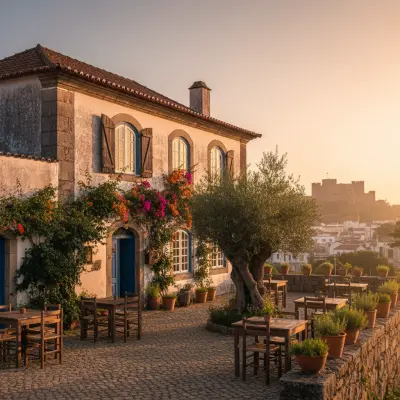
After a day of roaming the streets of Leiria, visiting the Paper Mill (Moinho do Papel, another must for those who like to know how things are made) or the m-imo (Museum of the Moving Image), the ideal move is to escape to the countryside. Arrabal, on the outskirts, offers a silence that the city center sometimes loses. The Private Villa Escape in Arrabal: A Luxury Rural Experience at Villa Nour is where you should set up base if you want to avoid the sterile atmosphere of chain hotels. It’s a strategic base. From there, you’re close to the Mira de Aire Caves or the Serras de Aire e Candeeiros Natural Park. For kids, having space to run without cars around is the difference between a relaxing holiday and a psychological endurance test for parents.
Practical Survival Tips
- Parking: Forget the car in the historic center. Use the Fonte Luminosa or Sant'Ana parking lots. They are paid, but they save your sanity.
- Strollers: Rua Direita and the climb to the Cathedral (Sé) are enemy territory for small wheels. If you can, use a baby carrier or a hiking carrier. If you can't, prep your biceps.
- Sweets: Don't leave Leiria without eating a Brisa do Lis. It’s an egg and almond-based sweet that is essentially happiness in pastry form. Doce de Leiria, near the main square, is the place of worship.
- Timing: The Paper Museum is closed on Mondays. The castle is open every day, but they close the gates at 5:30 PM in winter and 6:30 PM in summer. Plan accordingly.
Leiria doesn’t need gimmicks to convince you. It’s a city that reveals itself in the simplicity of a walk along the Lis, the echo of voices in the castle, and the quality of the food that reaches the table without pretense. For kids, it’s a space of discovery. For parents, it’s proof that family travel doesn’t have to be an exercise in constant concessions to the commercial. It is, at its heart, the grammar of time well spent, something it shares with other iconic stops in the country, such as Coimbra: The Grammar of Time in Portugal’s Intellectual Capital. Here, in the center, the rhythm is different.