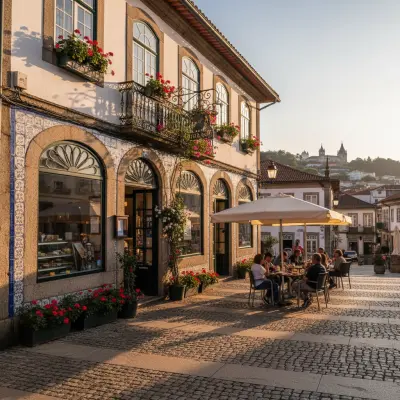
Gold, Granite, and the Atlantic: A Luxury Weekend in Viana do Castelo
Discover Viana do Castelo through a lens of sophistication, from the minimalist lines of Siza Vieira to the ancient craft of gold filigree. A 48-hour guide to the city that perfectly balances granite rigor with Atlantic freedom.
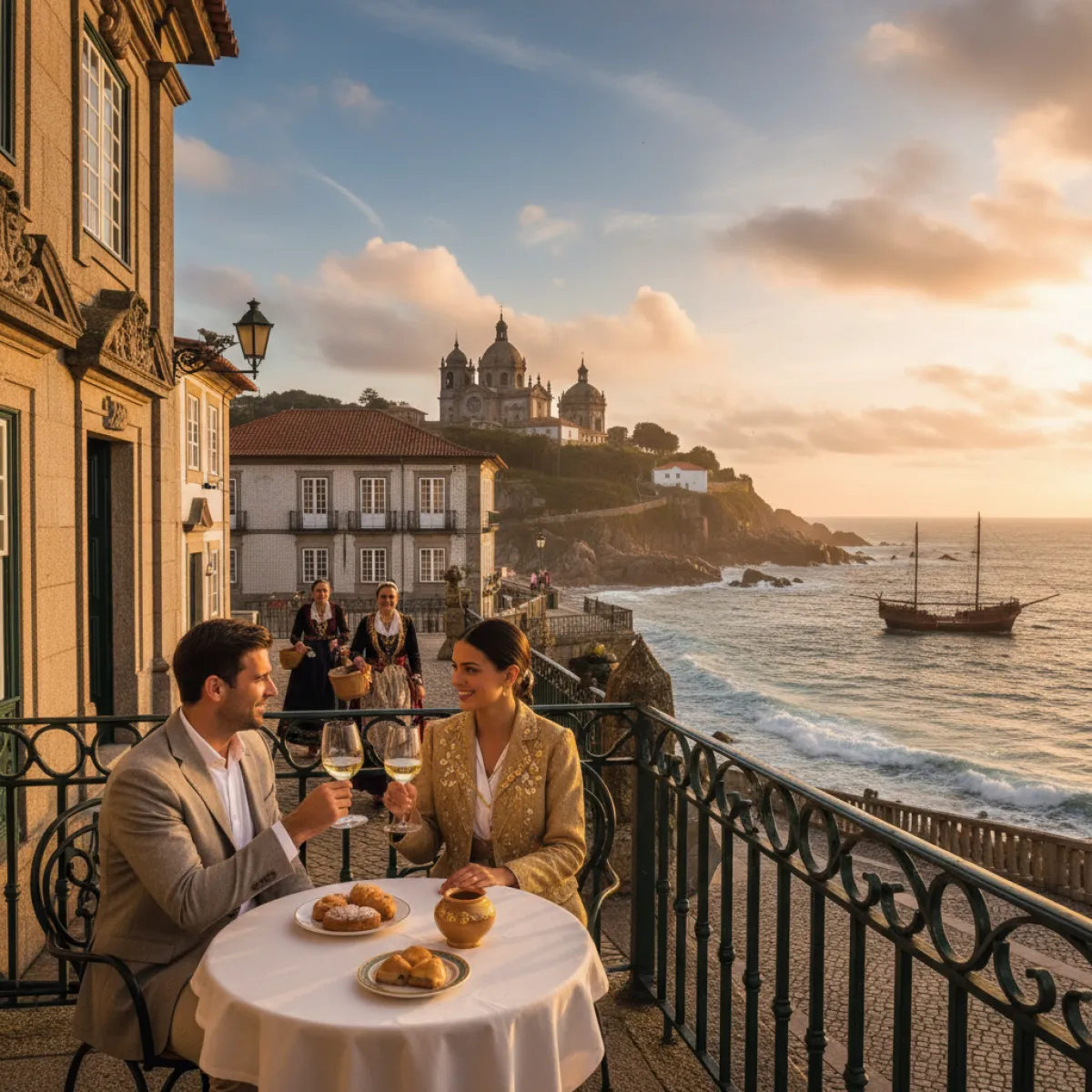
The Quiet Grandeur of the Costa Verde
Viana do Castelo does not demand your attention; it earns it through a slow reveal of architectural pedigree and maritime grit. Known as the "Princess of the Lima," this northern outpost avoids the frenetic energy of Porto, offering instead a curated experience for those who find luxury in granite-paved streets, modernist libraries, and the scent of wild Atlantic salt. It is a place where tradition is not a performance but a lifestyle, found in the weight of a gold necklace or the precise acidity of a Loureiro wine. For the discerning traveler, Viana represents the most sophisticated corner of Minho.
Friday: Altitude and Atlantic Breeze
Arrival in Viana should always involve an ascent. The Monte de Santa Luzia provides the definitive orientation. While a drive is possible, the century-old funicular offers a more rhythmic transition to the summit. At the top, the Basilica of Santa Luzia stands as a neo-Byzantine sentinel, but the true prize is the panoramic view of the Lima estuary. It is a landscape defined by the collision of river and ocean, framed by the deep green of the surrounding hills.
For your stay, the Pousada de Viana do Castelo offers old-world charm with views that stretch to the horizon. However, if your definition of luxury includes high-performance sports and eco-conscious design, head across the Eiffel Bridge to Hotel FeelViana. Located in the pine groves of Cabedelo Beach, this cedar-clad retreat is a masterclass in modern hospitality, where the focus is on wellness, windsurfing, and seamless integration with the coastal environment.
Dinner on your first night should be an exercise in maritime purity. Taberna do Valentim, located near the fishing docks, is where the city’s elite and locals alike go for the catch of the day. Order the sea bass baked in salt or the traditional monkfish rice. Pair it with a crisp Vinho Verde from a local estate, look for the Lima sub-region labels to experience the true floral character of the Loureiro grape. This is Viana’s essential luxury: ingredients that require no translation.
Saturday: From Filigree to Siza Vieira
Start your morning in the Praça da República. This square is one of the most harmonious urban spaces in Portugal, anchored by the 16th-century Misericórdia building and the monumental fountain. The architecture here tells a story of a city that once looked toward the New World and returned with the wealth to build in stone. Yet, Viana’s cultural life is firmly rooted in the present. The Municipal Library, a stark white concrete masterpiece by Pritzker-winner Álvaro Siza Vieira, sits on the waterfront. Its interior is a sanctuary of light and silence, proving that modernism can be as evocative as any cathedral.
In the afternoon, turn your attention to the city’s most famous craft: gold. The Museu do Traje (Costume Museum) houses an extraordinary collection of traditional jewelry. The filigree of Viana is not merely ornamental; it is a repository of regional identity. Microscopic gold threads are woven into intricate hearts and earrings, a process that mirrors other regional crafts like the living craft of Minho: a deep dive into the pottery of Barcelos. Both require a monastic level of patience and a deep connection to the Minho soil.
A short walk along the docks leads to the Gil Eannes, a former hospital ship for the cod fishing fleet. Walking through the operating rooms and the bridge is a sobering reminder of the city’s rugged history. It provides the necessary context for the prosperity you see elsewhere; Viana’s elegance was bought with Atlantic spray and northern ice.
Saturday night dinner belongs to O Louro. Here, the traditional flavors of the north, think salt cod, octopus, and rich meats, are elevated through modern technique and exquisite plating. It is the best place in town to understand how Viana is evolving, maintaining its soul while embracing a more international culinary language.
Sunday: Riverine Rhythms and the Ancient North
On Sunday, follow the River Lima inland. The valley is the heart of Portuguese viticulture and history. A short drive brings you to Portugal’s oldest village, a place where time seems to have slowed to a crawl. For those traveling with a younger cohort, the slow rhythm of Ponte de Lima provides an ideal setting for a riverside walk across the Roman bridge and through the botanical gardens.
In the colder months, the valley takes on a cinematic quality. The mist clings to the vineyards, and the scent of woodsmoke fills the air. It is the season for long, indulgent lunches in stone-walled dining rooms. There is a specific luxury in this seasonal shift, an atmospheric depth found in the fog and the feast: why Ponte de Lima is Portugal’s most evocative winter escape. It is a time for slow-cooked stews and deep red Vinhão wines that warm the spirit.
Before leaving the region, stop at the Siza Vieira-designed contemporary art center or simply enjoy a final coffee at the Marina, watching the yachts bob against the backdrop of the Eiffel-designed bridge. Viana do Castelo is a city of layers, historical, architectural, and culinary. To visit is to realize that luxury in Northern Portugal isn't about being seen; it's about seeing clearly the beauty of a culture that refuses to compromise its roots.
Practical Essentials
- Best Time to Visit: June to September for the best weather; August for the Agonia festival; October to March for the best gastronomy and a more intimate, misty atmosphere.
- Culinary Signature: Arroz de Sarrabulho (pig’s blood rice, don’t judge until you try it), fresh sea bass, and the iconic Viana pastries (Tortas de Viana).
- Budget: A high-end weekend will range from €450 to €750 per couple, covering premium accommodation and top-tier dining.
- Logistics: While the city center is walkable, a rental car is recommended for exploring the Lima Valley and nearby artisanal hubs.