Fundão Crafts: Avoiding the Kitsch and Finding the Real
Skip the plastic trinkets and discover the heavy wool blankets and wickerwork that define Fundão. A guide to finding the crafts that truly tell the story of the Gardunha mountains.
The Labyrinth of the Real: What to Bring from Fundão
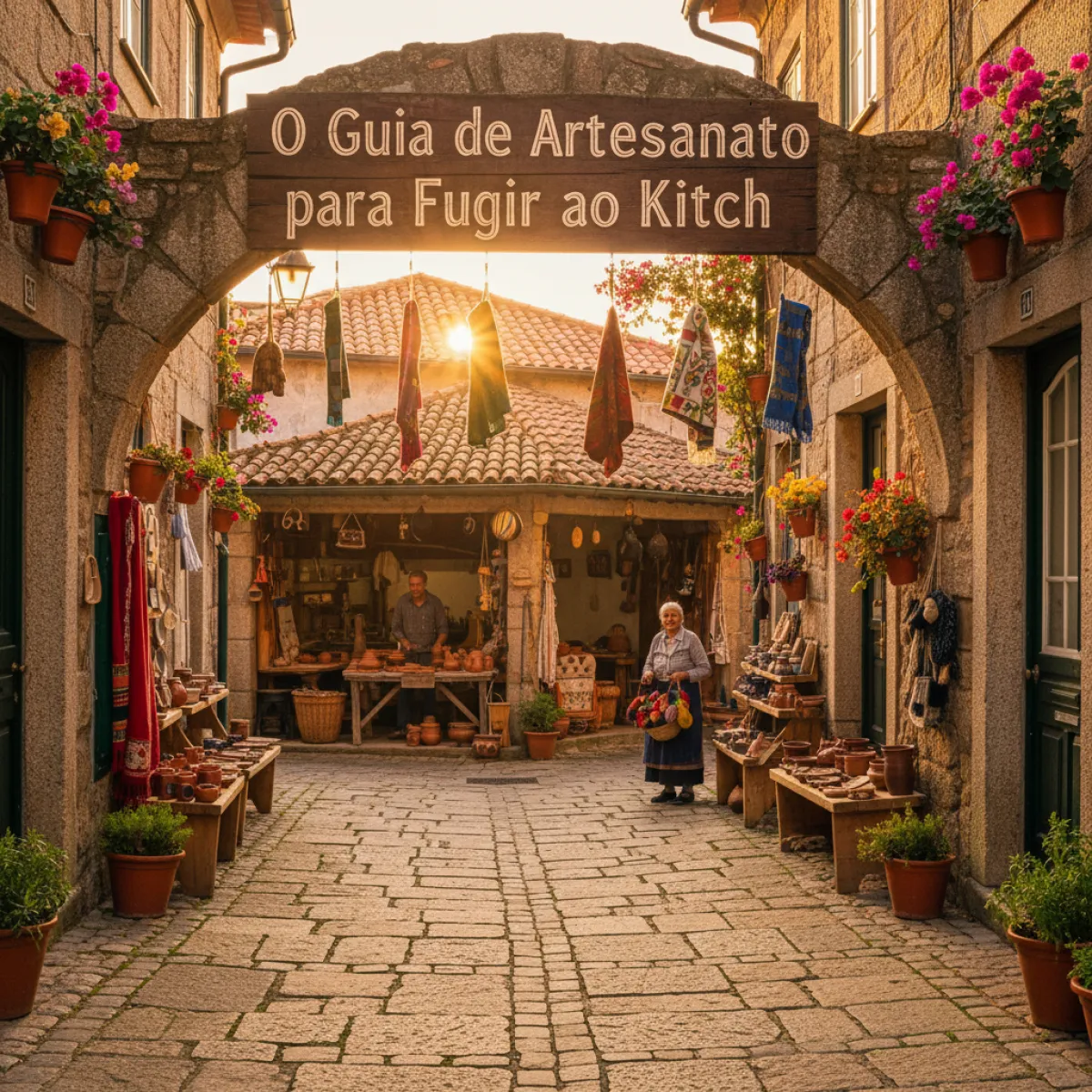
Forget the cherry-shaped fridge magnets with googly eyes and plastic legs. If you came to Fundão and your only souvenir is a piece of plastic manufactured ten thousand miles away, you failed. You failed the trip, and you failed in the curation of your own life. Fundão isn't just a giant orchard; it’s a nerve center of know-how that, fortunately, still resists the aesthetic gentrification that has turned the handicrafts of half the country into generic rag dolls.
To understand what is worth taking in your suitcase, you first need to understand the raw material. Here, the hierarchy is clear: wool, wicker, and cherry wood. It’s not about decoration; it’s about survival and utility. Walking down Rua da Cidadela on a Tuesday morning, you smell fresh bread mixed with the acrid scent of damp wool someone left out to air. In this specificity lies the true journey.
Wool and the Loom: Where Luxury is Resistance
Textile handicrafts in the Gardunha region are not for those looking for ethereal silks. They are for those who appreciate density. We are talking about heavy wool blankets, made to last three generations and survive winters where ice cracks on the windows. If you visit the Moagem area, look for manual weaving works. The touch is rough at first, but it's the kind of texture that gains personality with use. A traditional 'cobertor de papa' or a well-executed patchwork blanket will cost between €80 and €150, depending on the size, but it’s an investment in thermal comfort that makes any Swedish brand duvet look like a paper napkin.
This textile tradition doesn't sprout in a vacuum. To understand how industry and craft intersect in the mountains, it's worth checking the guide on Modernism in the Mountains: The Architectural Legacy of Cottinelli Telmo in Seia. Although it focuses on Seia's architecture, it helps contextualize the importance of wool and industrial transformation in this part of the Beira region.
Wickerwork from Gonçalo: The Architecture of the Vine
Although Gonçalo is a nearby village, its basketry dominates the Fundão market. Don’t buy the first basket you see in a roadside shop. Look for wicker and willow baskets that keep their natural color, without shiny varnishes that only serve to hide imperfections in the fiber. A good harvest basket or a market hamper should be light but rigid. If you can bend the frame with ease, leave it behind. Authentic craftsmanship doesn't apologize for its robustness.
The price of a medium-sized hamper is around €25 to €40. It’s the perfect object for those who want to carry their weekly market haul without looking like an extra in a rural tourism commercial. Use it. Wear it out. Wicker gets more beautiful with the patina of time and real use, not with the dust of a display shelf.
Culture Beyond the Fruit: The Museum Perspective
For those who think handicrafts are just about buying things, I recommend a stop to reflect on the history of these objects. Fundão has done serious work in recovering its industrial and artisanal memory. If you have time, the Museum Marathon in Fundão: Culture Beyond the Cherry Blossoms is the ideal route to see how yesterday's tools became today's artifacts. You’ll see that the aesthetics of these pieces were never a whim, but a direct consequence of function.
In this marathon, you will pass through spaces explaining the transformation of linen and wool. It’s the difference between buying an object and buying a narrative. Knowing that the geometric pattern on your blanket has roots in 19th-century weaving techniques makes the piece much less disposable.
Liquid Gastronomy: The Souvenir You Can Drink
If you must take something edible (and you will, because gluttony here is a virtue), ignore the industrial cherry chocolates. Look for artisanal cherry liqueur made in small batches or cherry gin, which has been winning awards for its own merit and not just regional marketing. A bottle of good liqueur is around €15. If you visit the city during spring, use The Ephemeral Bloom: A Guide to Seeing Cherry Blossoms in Fundão to find local producers who sell directly from their farm gates. That’s where you’ll find heather and chestnut honey, dark and with a bitter aftertaste that has nothing to do with the transparent syrup in supermarkets.
Where to Drink and Where to Stay
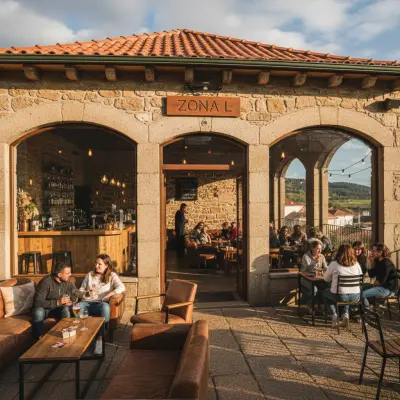
After loading your suitcase with kilos of wool and basketry, the body asks for rest. If you are in the center of Fundão at the end of the day, Zona L Bar is the mandatory spot. It's not an aseptic hotel bar; it has the right amount of local personality and a drink selection that respects the palate of those who know the difference between a Beira wine and fermented grape juice. Order a regional red, preferably one with grapes from the slopes of Gardunha, and watch the light fall over the granite rooftops.
For a moment of absolute contemplation, flee the city toward the Marateca Dam. If the weather is fair, the Sailing Sunset in Fundão: Gold at the Marateca Dam experience is the perfect antidote to the shopping hustle. Seeing the water reflect the golden sun while gliding on a sailboat helps you understand why this territory produces such patient artisans. Nature here is in no hurry, and craftsmanship that's worth it isn't either.
Practical Notes for the Discerning Buyer
The Municipal Market of Fundão on Mondays is where the action happens. Arrive early, by 8:30 AM. This is where artisans from peripheral villages come to sell their pieces without intermediaries. Don't try to haggle aggressively; the prices are already more than fair for the manual labor involved. Pay in cash, as many of these masters still look at card machines as unnecessary sorcery.
If you are traveling in March and are a sea enthusiast, you might have consulted the Surfing Portugal in March: The Best Beaches and Conditions guide before coming inland. Leave the surfboard in the car and trade the neoprene suit for a virgin wool sweater from Gardunha. The sea will be there tomorrow; this craftsmanship, if we don't support it today, might not be.
Buying handicrafts in Fundão is a political act. It’s deciding that you prefer the irregularity of a knot on a manual loom to the sterile perfection of a machine. It’s bringing with you a piece of granite, cherry wood, or wool that tells a story of Beira resistance. Choose wisely, take little, but take what is real.