Fundão: Capturing the Golden Light Between Two Mountains
Skip the cherry festival crowds; Fundão’s true character is found in the sharp shadows of Castelo Novo and the liquid gold of the Marateca Dam at dusk. A photographer’s guide to the best light in the Cova da Beira.
The Golden Bowl of Cova da Beira
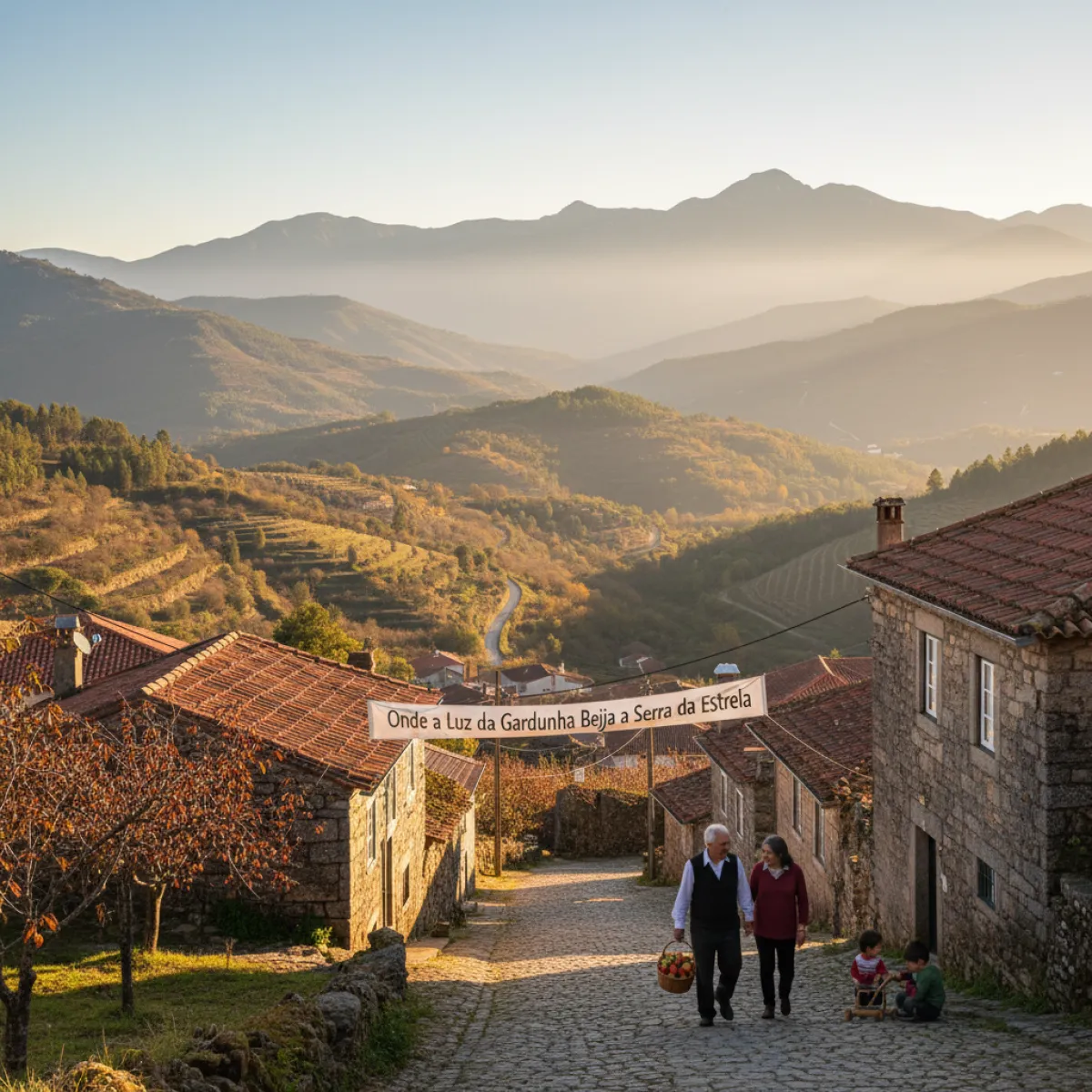
Arriving in Fundão isn’t just about pulling off the A23 highway and hunting for the first roadside stall selling cherries in wicker baskets. It’s about entering a geological amphitheater. On one side, the Serra da Gardunha with its smooth but persistent ridges; on the other, the imposing Serra da Estrela. In between lies a basin of light that, for any photographer or discerning traveler, offers some of the most dramatic contrasts in inland Portugal. Forget the white-blossom cliché for a second. Fundão has a physical texture made of raw granite and cold water that deserves to be recorded with patience.
If you arrive by train, the Beira Baixa Line is undoubtedly the most elegant way to get here, the first thing you’ll notice as you step off the platform is the weight of the air. In winter, it’s a dry, biting cold; in spring, it’s the sweet, almost cloying scent of thousands of trees blooming simultaneously. But don't stick to the town center. The center is functional, good for buying a newspaper or a pair of boots, but Fundão’s visual character lives up there, where the road begins to snake toward Alcongosta.
Morning in Alcongosta: The Awakening of the Whiteness
To catch the best morning light, you need to be in Alcongosta by 7:30 AM. This is where the sun, rising from behind the Gardunha, begins to illuminate the Cova da Beira valley. If you’re here during the right window, late March to early April, you’ll find exactly what I described in The Ephemeral Bloom: A Guide to Seeing Cherry Blossoms in Fundão. The low morning light turns the hillsides into a sea of white that seems to emit its own luminescence. Don’t over-filter; the soft morning mist that often settles in the valley does all the heavy lifting for you.
Stop at the Casa da Cereja to understand the logistics of the fruit, but then hike up to the Sanctuary of Nossa Senhora da Orada. The silence here is only broken by the distant hum of tractors or the chime of a bell. It’s a prime vantage point over Covilhã, seen in the distance, perched against the Estrela. It’s the classic shot, but to make it yours, look for the details: the weathered hands of a local grower, the texture of old tree bark, or the contrast of the deep blue sky against the granite of the chapels.
Castelo Novo: Granite that Burns at Dusk
If mornings belong to the cherry orchards, the late afternoon belongs to Castelo Novo. It’s one of Portugal’s 12 Historical Villages and, in my opinion, the most photogenic because of how it’s nestled into the slope of the Gardunha. As the sun dips, the granite houses begin to take on an orange, almost metallic hue. This is the time to walk the Rua da Cidadela and climb to the Castle.
From the top of the ramparts, the view expands until you lose sight of the horizon. It’s a landscape of shepherds and silence. Here, the architecture is austere but functional. If you appreciate clean lines and a certain aesthetic rigor, you’ll find parallels with what I wrote about Modernism in the Mountains: The Architectural Legacy of Cottinelli Telmo in Seia. There’s an honesty in the materials that survives time. Don’t look for the perfect, clean angle; photograph the water stains, the moss on the fountains, the water running freely through the village’s stone channels. That is the truth of Castelo Novo.
Culture Beyond the Landscape: The Necessary Pause
When the midday light becomes too harsh and shadows disappear, it’s time to head indoors. Fundão has invested heavily in its museum network. It’s not just for tour bus crowds; it’s for anyone who wants to understand what shaped this land, from the wolfram mining during WWII to the traditions of transhumance. I highly recommend the Museum Marathon in Fundão: Culture Beyond the Cherry Blossoms. The José Monteiro Archaeological Museum, in the town center, is an excellent example of how modern and ancient can coexist within a restored granite building.
Take this break to eat. Forget the diet. Order the Arroz de Lebre (hare rice) or the Maranhos. If you’re at Octávio Pato, let the daily specials guide you. The Beira Baixa Cheese, with its spicy kick and buttery texture, is non-negotiable. Pair it with a full-bodied regional red wine, sturdy enough to fuel the mountain climb ahead.
Marateca Dam: Liquid Gold at Sunset
For the end of the day, save your trump card: the Marateca Dam (also known as Santa Águeda). It’s just a few minutes from Fundão, and this is where the light becomes truly magical. The water acts as a giant mirror for the Serra da Gardunha. The best way to capture this moment is on the water, or at least very close to it. The Sailing Sunset in Fundão: Gold at the Marateca Dam experience is what I recommend for those who want to photograph the light vanishing behind the hills as the water turns the color of hammered copper.
Storks often frequent this area, and the reflections of submerged trees create abstract compositions that break away from the typical travel documentary style. It’s a place of absolute peace, far from the noise of the main roads. If you have a tripod, use it here. Let the exposure run long and watch as Marateca transforms into an impressionist painting.
Where to Drink and Watch the Night Fall
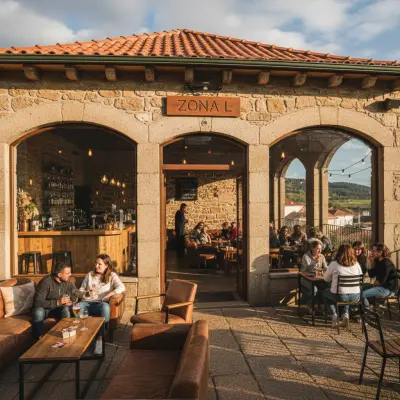
After packing away your camera, the body wants rest, but the mind still needs to process the day. Fundão isn't Lisbon or Porto, and thank god for that. The nightlife here has a more human pace. The place to be is Zona L Bar. It’s the meeting point for those who know that a good conversation about photography (or life) flows better with a local red gin or a craft beer. The vibe is relaxed, the music is curated, and it’s the perfect spot to feel the pulse of Fundão’s new generation, which is turning this town into an unexpected creative hub.
Practical Tips and Logistics
- Getting Here: The CP Intercidades train from Lisbon takes about 3h15. By car, the A23 brings you to the door, but take the N18 for the better views.
- When to Go: March for the blossoms, June for the cherries (and the crowds), October for the autumn colors on the Gardunha.
- Gear: A wide-angle lens for the Marateca landscapes and a 50mm for the details in Castelo Novo.
- Costs: An average lunch costs between €15 and €25. Museum entries are affordable, often free for residents or on specific days.
While some are scrolling through the Surfing Portugal in March: The Best Beaches and Conditions guide to escape to the coast, the true connoisseur knows that March in Fundão is about the mountain. It’s about the light that you don’t explain, you feel. Take your time. Fundão doesn’t reveal itself in a hurry; it demands you pull over, talk to people, and wait for that exact minute when the sun decides to set the granite on fire.