Funchal in July: Levadas at Dawn, Sea by Afternoon
In July, Madeira asks for a plan with two halves: cool levadas at dawn, Atlantic swims by afternoon. From Caldeirão Verde to the rock pools, with an espetada at Casal da Penha in between.
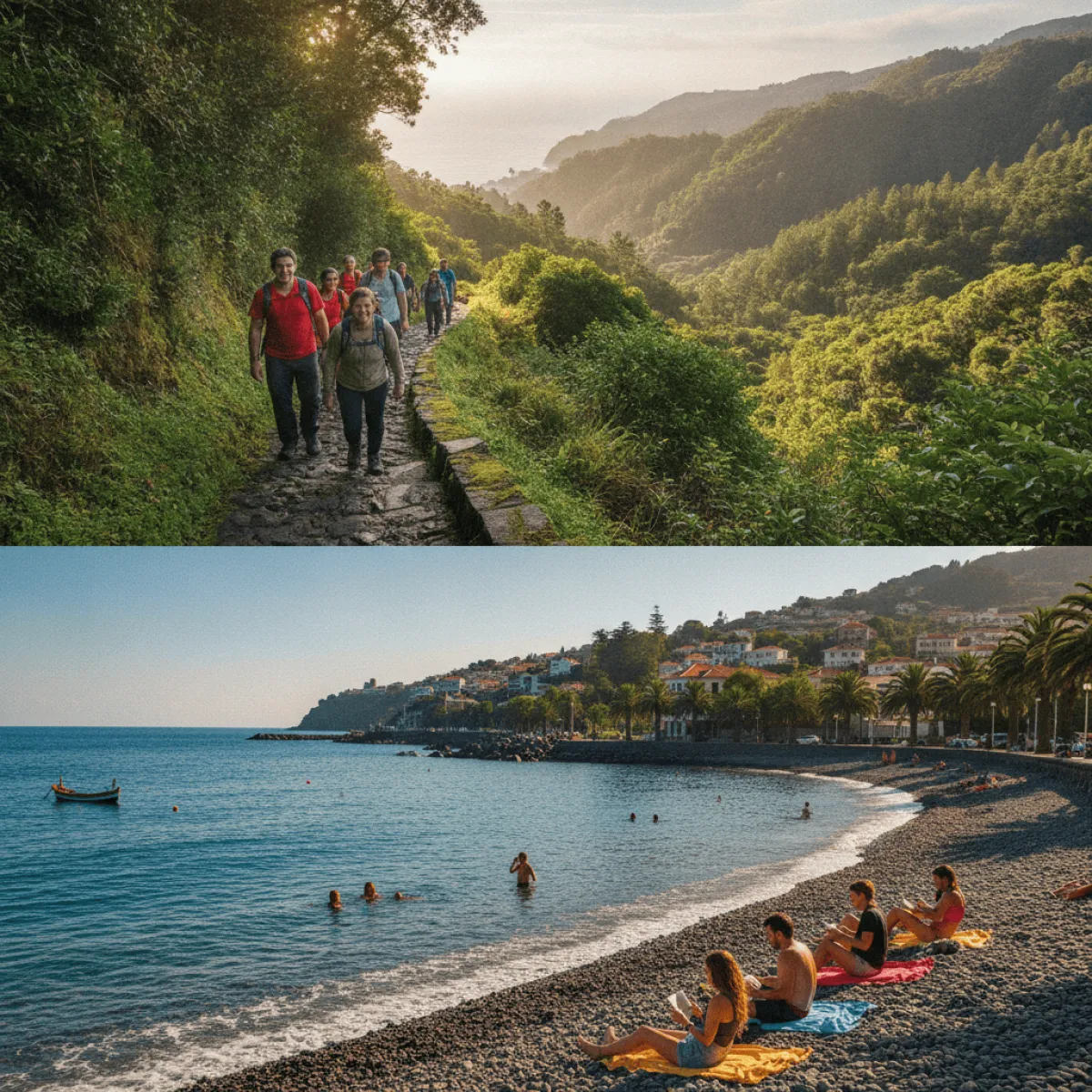
July in Funchal is a matter of timing. Anyone who arrives planning to spend the day roasting on a towel learns quickly that Madeira doesn't work that way. The island asks for a plan with two halves: mornings are for the levadas, when the air is still cool and the mountain holds its threads of water against the rock; afternoons are for the sea, when the sun turns serious and the only sensible decision is to get in. Do it the other way around and you'll suffer. Walking a levada at three in the afternoon in July, with the heat trapped between the eucalyptus, is punishment. In the morning, it's one of the best things this island has to offer.
That's the great advantage of Funchal in summer: the mountain and the sea are twenty minutes apart. You can be on a trail at 1,000 metres at eight in the morning, mist dripping off the trees, and by one in the afternoon you're jumping into an Atlantic rock pool. Very few places in Europe hand you both in the same day.
Mornings belong to the levadas
The levadas are water channels built over centuries to carry rain from the wet north of the island to the drier plantations in the south. Today they're also the best trail network in Portugal. In July the rule is simple: start early. By half past seven, before the buses dump groups at the trailheads, the paths are yours and the thermometer is ten degrees friendlier.
For a first look, it's worth studying which of Funchal's levada walks are actually worth your time before you lace up. The island's geography doesn't forgive improvisation: some routes take an hour, others eat the whole day, and in July the difference between them is the difference between coming back happy and coming back dehydrated.
If you only do one serious levada, do Caldeirão Verde. It's the most cinematic on the island, with tunnels carved into the rock (bring a torch or use your phone) and a final waterfall that drops into a green amphitheatre of vertical walls. The Caldeirão Verde levada walk among the waterfalls starts at Queimadas, in Santana, on the far side of the island, so count on roughly an hour's drive from Funchal. Go by rental car or organised tour; on public transport it's a headache. Bring extra water, footwear with grip, and a thin jacket even in July, because the north has its own weather and the mist rolls in without warning.
Since you're going to Santana anyway, don't make the mistake of rushing there and straight back. It's worth following a slow day in Santana and lingering, with its triangular thatched houses and a rhythm that has nothing to do with the bustle of the capital. The north of Madeira in July is greener, cooler and far less crowded than the south coast.
Levadas closer to home, for shorter days
Not everyone wants an hour in the car before walking. There are short levadas from Funchal itself and its outskirts that you can do in a morning with no real logistics. They're perfect for the first or last day, when you're still finding your legs or already saving them. The point is to keep July's golden rule: be on the trail before nine and back before the heat clamps down.
The gardens, the perfect middle ground
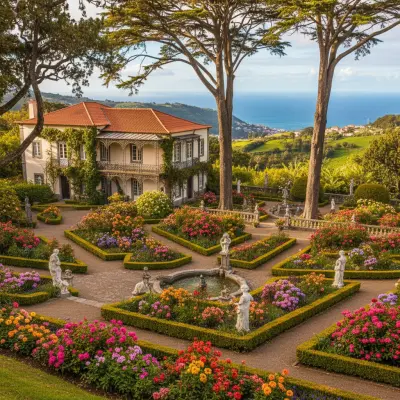
Between the morning levada and the afternoon sea there's a gap that wants shade, and Funchal has three gardens that justify a trip on their own. They're the perfect antidote to July: altitude, trees and water everywhere.
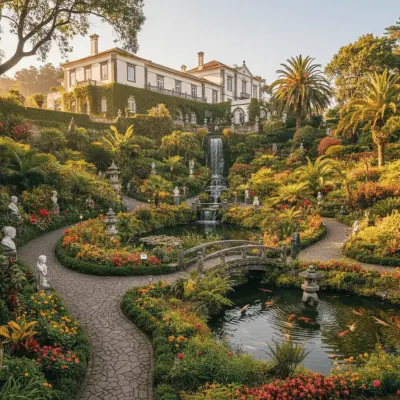
The most theatrical is the Monte Palace Tropical Garden, high up in Monte. Take the cable car from Funchal's old town, which is half an attraction in itself for the views over the bay, and spend the morning among koi ponds, Portuguese tiles and a plant collection drawn from the entire world. It's the kind of place that feels designed to escape the sun: however hard it bakes down below, up here there's always a cool patch of shade waiting.
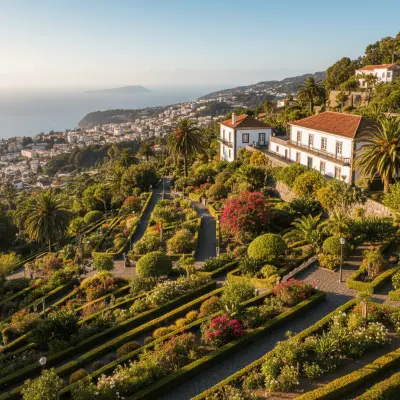
For those who prefer botany to stagecraft, the Botanical Garden of Madeira is the right call. The geometric beds in loud colours are the island's most repeated photograph, but what really earns the trip is the collection of endemic plants, species that exist only in Macaronesia. The views over the valley and the harbour are generous. Go in the morning, before two, when the sun falls without mercy on the exposed terraces.
And if you have time for a third, Palheiro Gardens, the Quinta do Palheiro Ferreiro, are the most English of the three, a legacy of the British families who made fortunes in Madeira wine. Roses, camellias and a serious canopy of old trees that throws real shade. It's calmer, less touristy, and the cool air at altitude makes it a refuge in the hottest hours.
Afternoons belong to the Atlantic
Here's the uncomfortable truth nobody tells the tourists: Madeira is not an island of sandy beaches. It's a volcanic island of steep coastline and pebbles. Anyone arriving in search of kilometres of white sand will leave disappointed. But anyone who takes the island as it is finds something better: the natural pools and lido complexes built over the rocks, where you swim in transparent seawater with the mountain at your back.
In July the water sits around 22 degrees, cool enough to refresh you after the walk and warm enough to stay in. The Lido area, west of central Funchal, is the most practical: bathing complexes with platforms, ladders into the sea and easy access. It isn't exotic, but it sorts the afternoon out with no fuss. For something wilder, it's worth the drive to the natural pools at Porto Moniz on the far northwest tip, where solidified lava formed pools that the sea fills and renews. It's far, but it's one of the island's most striking sights.
And some people want more than floating. The sea off Funchal has enough swell to learn to surf, and in July the conditions for beginners are gentle. A surf lesson with Surf Clube da Madeira is the right way to do it: local instructors, gear included, and the knowledge of people who know where the swell is safe. Don't expect Ericeira, but to start out it's ideal, and doing it in a bay with the city leaning against the mountain has its own charm.
At the table, after the sea
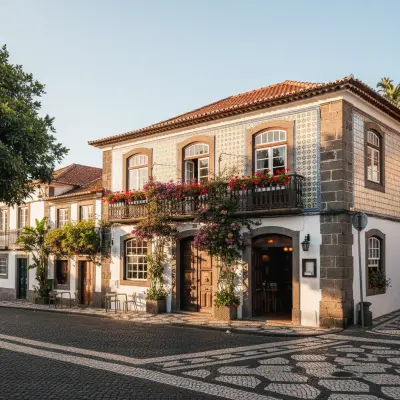
Walking in the morning and swimming in the afternoon builds a real appetite. Luckily, Funchal eats well. For an honest lunch or dinner of Madeiran cooking done properly, Casal da Penha is a safe bet. Order the espetada on a bay-laurel skewer, beef threaded onto a branch of fresh bay that perfumes the meat as it grills, with bolo do caco and garlic butter on the side. It's the dish that defines the island. On a fish day, the grilled fresh tuna or the black scabbard fish with fried banana, that strange pairing that only makes sense once you've tried it.
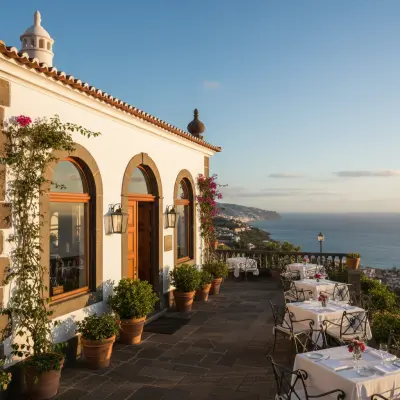
For a serious night out, the kind that anchors a whole trip, Il Gallo d'Oro plays in another league. It's Funchal's fine-dining table, Michelin-starred, with a menu that crosses refined technique with Madeiran produce. It isn't for every night or every wallet, but if you want a celebration, this is it. Book well ahead, especially in July.
When to go and what to expect
July in Madeira is high season, but the island absorbs the crowd well because it spreads out: while the south coast simmers, the north and the highlands stay practically empty. The climate is the island's selling point. While the mainland cooks at 38 degrees, Funchal rarely tops 26. Mornings are cool, afternoons mild, and nights ask for a thin jacket if you head up to Monte.
- Always start early. In July, any levada done after ten in the morning is half a levada, with twice the heat and three times the people.
- Rent a car. The best trails and the prettiest pools are outside Funchal, and public transport can't keep up with a mountain-in-the-morning, sea-in-the-afternoon plan.
- Bring layers. The microclimate of the north and the altitude can change everything in minutes. A thin windbreaker is worth its weight even in midsummer.
- Proper footwear. The levadas have dark tunnels, wet ground and unprotected drops on some stretches. This is no place for city trainers.
If you want to understand what Funchal is like in the weeks before, with the festivals and fresh tuna at their peak, the guide to Funchal in June gives you the context. July inherits the best of that month, the settled weather and the abundance at sea, but with even longer days. Add it up: levada at sunrise, garden at noon, sea in the afternoon, espetada at dinner. It's a perfect day on an island that, when you respect its timings, rarely lets you down.