Caldeirão Verde Levada Walk in Funchal: Hiking Among Waterfalls
Hike through the Laurissilva forest to the towering Caldeirão Verde waterfall on a 13 km trail featuring hand-carved basalt tunnels. A quintessential Funchal experience for those seeking Madeira's wild side.
The Green Cauldron: Where Water Meets the Ancient Forest
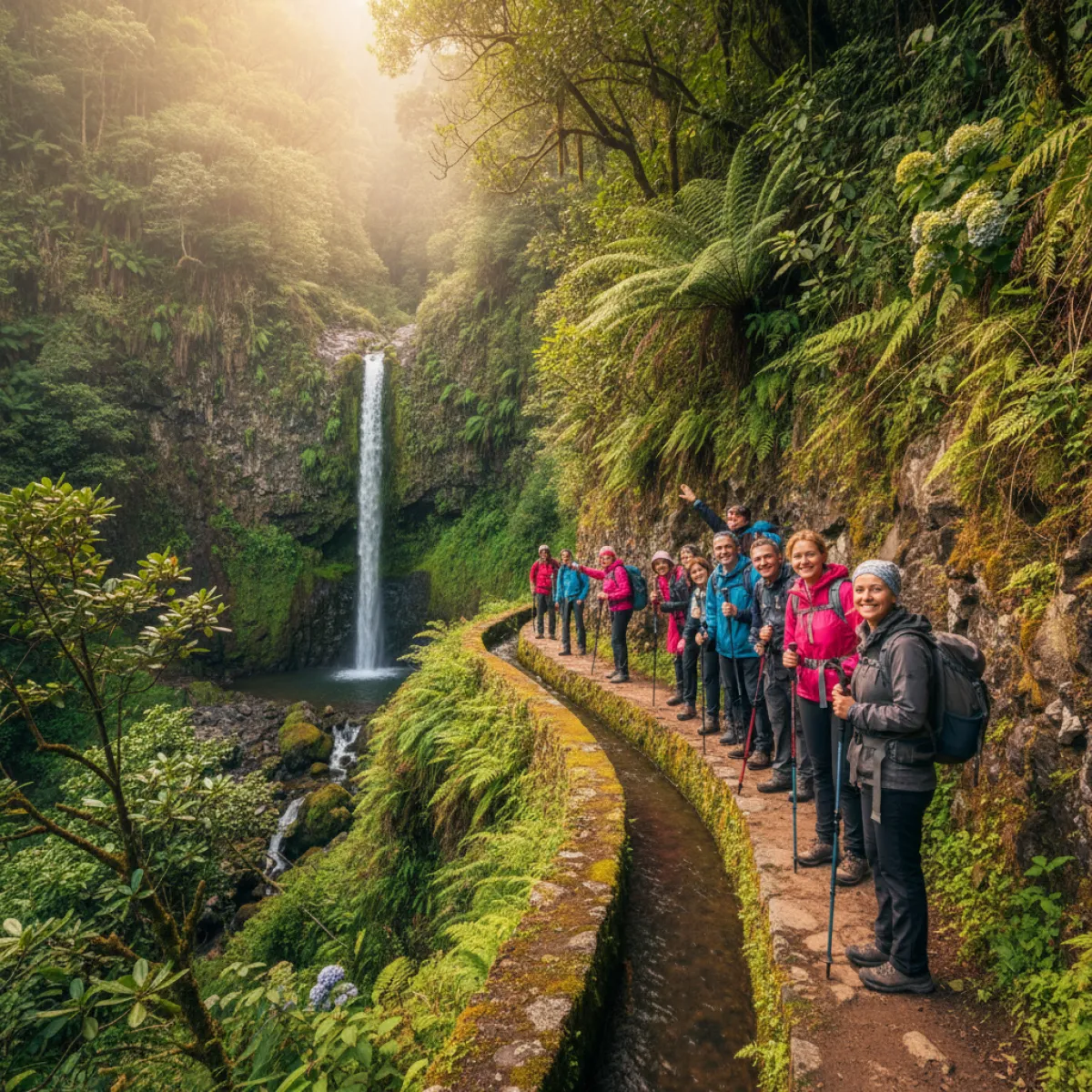
Walking in Madeira without doing a levada is like visiting Porto and skipping the wine, you're missing the point. But if you want the definitive experience, the one that makes you feel like you've stepped into a high-fantasy film set, the Caldeirão Verde Levada is the one. Forget rushed tourist excursions; here, nature dictates the pace, especially when the spring rain decides to join the party, turning the hillsides into walls of green so intense they look digitally enhanced.
This isn't a hike for those seeking raw adrenaline or steep vertical climbs. It's a lesson in historical engineering and patience. The levada, built in the 18th century to carry water from the north to the south of the island, snakes around the mountainside on a nearly flat path, allowing you to focus on what really matters: the UNESCO-protected Laurissilva forest. The highlight, literally, is arriving at Caldeirão Verde, where a 100-meter waterfall plunges into an emerald lagoon of freezing water.
The Provider and the Experience
Dozens of companies run this route, but for those who want to avoid the massive crowds and have a guide who actually knows their botany, Madeira Adventure Kingdom is my top pick. Their service is professional, including direct hotel pickups in Funchal, which saves you the headache of driving the narrow, winding roads up to Queimadas, the starting point.
The guides, usually someone like Francisco or Emanuel, do more than just lead the way. They explain how the Til and Laurel trees capture moisture from the mist, feeding the levadas below. The tour cost is around €45 per person, which is a fair price considering the transport, insurance, and the wealth of local knowledge shared. If you prefer something more exclusive, they organize private tours for about €145, allowing you to set the pace and stop for photos of every tree fern without feeling pressured.
Step by Step: From Queimadas to the Cauldron
The journey begins at the Queimadas Forest Park. Here, the traditional thatched-roof houses of Santana provide a glimpse of old Madeira before you head into the wild. The trail is about 13 km round trip and takes 4 to 5 hours. From the start, the vegetation closes in. The path is narrow, often with the levada on one side and a steep drop, thankfully protected by wire cables, on the other.
The moment the experience becomes truly memorable is when you cross the four tunnels carved into the basalt rock. This is where you realize why a flashlight (mandatory!) is your best friend. Water drips from the ceiling, the ground can be slippery, and the darkness is absolute. It's a sensation that is both claustrophobic and liberating. As you emerge from the final tunnel, the sound of falling water intensifies, signaling your arrival at the "Cauldron."
Insider Tips for the Trail
Many people make the mistake of heading out in just a light t-shirt. Even if it's sunny in Funchal, the microclimate at Queimadas is entirely different. Always pack a high-quality raincoat. Spring rain in Madeira isn't a nuisance; it's what makes the waterfalls massive and the colors pop. Another tip: wear hiking boots with good grip. Your gym sneakers won't cut it in the wet, muddy tunnels.
Regarding food, the tour doesn't include lunch. Pack a bag with water, nuts, and a sandwich. The best spot to eat is by the waterfall lagoon, but be quick, the temperature drops rapidly once you stop moving. Back in Funchal, if you've worked up a real appetite, nothing beats a fresh fish dinner at Casal da Penha, where the service is as authentic as the seafood.
Why This Levada Over the Others?
Unlike the 25 Fontes Levada, which can become chaotic with the sheer volume of tourists, Caldeirão Verde maintains an aura of isolation, especially if you book on a weekday. The feeling of being surrounded by mountains that look like they belong in Hawaii, yet sitting in the middle of the Atlantic, is hard to replicate. The best moment is when the mist rolls over the valley, transforming the forest into something nearly mythical, without needing any fancy metaphors to describe it.
- When to go: Spring (March to May) is ideal for seeing the waterfalls at their peak volume.
- What to bring: Flashlight, hiking boots, raincoat, a spare pair of socks (your feet will likely get wet in the tunnels).
- Difficulty: Moderate. The terrain is flat, but the distance and the tunnels require some physical stamina and a lack of severe vertigo.