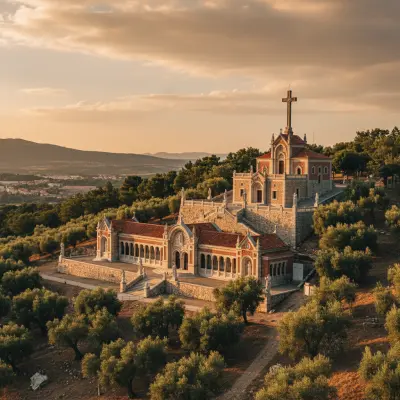
Fátima's Museums: Which Are Worth Your Time
Fátima has collected museums the way it's collected hotels, not all deserve your time. From the free and fascinating Aljustrel House-Museum to the overpriced Wax Museum, here's the honest guide nobody hands you at the Sanctuary.
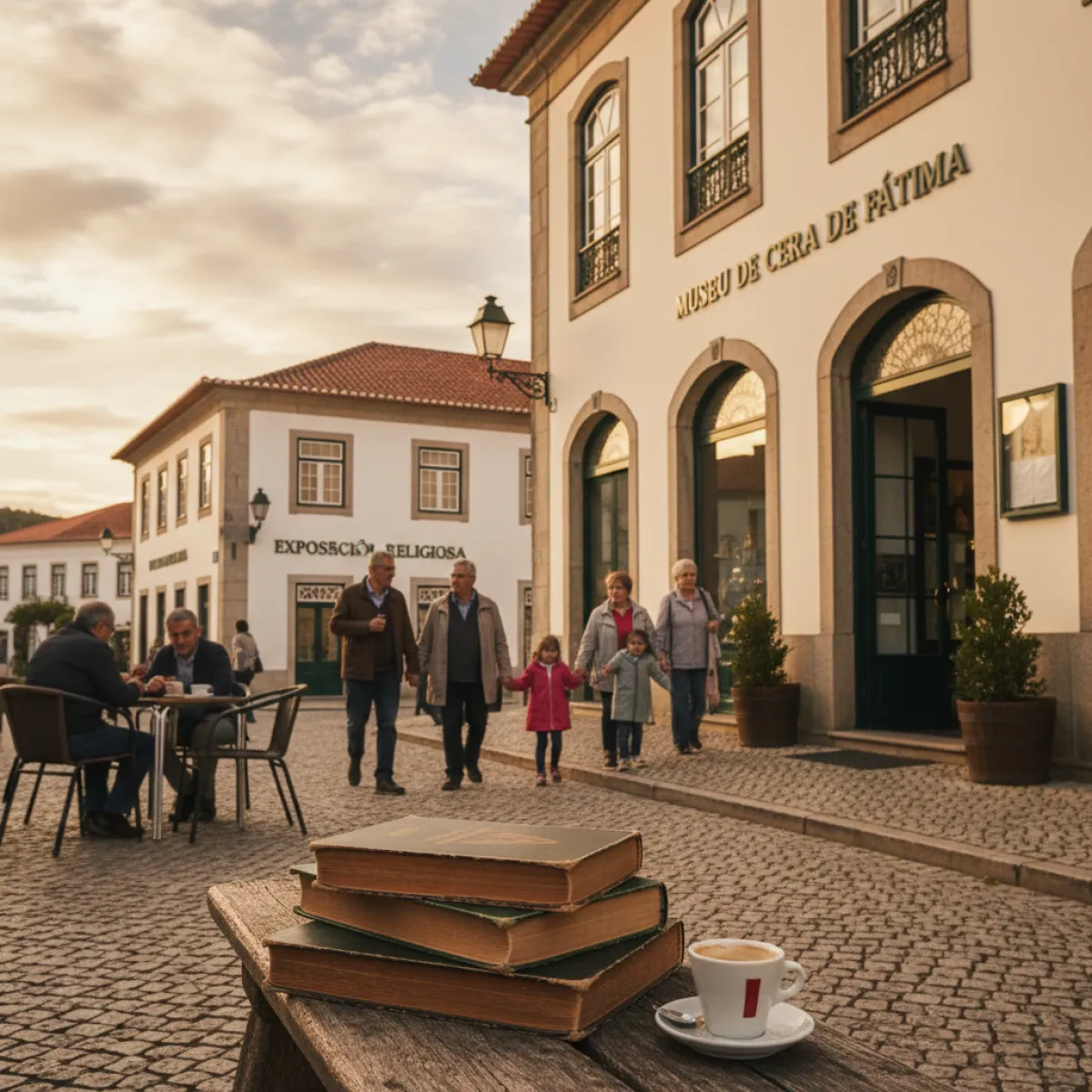
Fátima has a museum problem. Not because it lacks them, quite the opposite. The city has accumulated a collection of exhibition spaces ranging from the genuinely fascinating to the frankly skippable. And since most visitors show up for a day, squeezed between morning mass and the return bus, they tend to walk into the first museum they see, pay eight euros, and leave thirty minutes later thinking "was that it?".
This guide exists to prevent exactly that. I'll be direct: there are two or three museums in Fátima that deserve your time and money. The rest are tourist traps aimed at visitors with more faith than critical thinking. That's not cynicism, it's respect for your schedule and your wallet.
The Ones Worth Your Time
Aljustrel House-Museum
Start here. The village of Aljustrel, two kilometres from the Sanctuary, is where Lúcia, Francisco and Jacinta lived. The shepherd children's houses have been preserved and turned into a house-museum, and what makes them interesting isn't the religious narrative itself, it's the accidental portrait of Portuguese rural life at the start of the twentieth century.
The bedrooms are tiny. The kitchen has an open-floor hearth. The objects, a clay pot, a three-legged stool, a hoe leaning against the wall, tell you more about Portugal in 1917 than any explanatory panel. It's an ethnographic trip disguised as a pilgrimage. Admission is free, which is rare in this area. Arrive before ten to beat the organised groups that roll in by bus.
After Aljustrel, it's worth continuing on foot to Valinhos. Walking the Valinhos olive groves is one of the best things you can do in Fátima outside the religious context, fresh air, centuries-old olive trees, and a quiet you won't find near the Sanctuary.
Museum of Sacred Art and Ethnology
Run by the Consolata Missionaries on Rua Francisco Marto, this museum is a genuine surprise. The sacred art collection is what you'd expect, vestments, chalices, religious statues, but the ethnology section is another story entirely. Art pieces and artefacts from missions in Africa and Asia, collected over decades, give the space a breadth that no other museum in Fátima can match.
The building itself is pleasant, with an interior cloister that invites you to linger. Check locally for opening hours, which vary by season. The ticket costs a few euros and is among the best spent in town.
Sanctuary Exhibitions
The Sanctuary itself houses a permanent exhibition that many visitors miss, too busy taking selfies at the Chapel of the Apparitions. The display covering the history of the apparitions and the construction of the Basilica includes extraordinary archive photographs, Fátima in the 1920s and 30s, still a remote village in the hills, before the concrete and the hotels.
It's not a museum in the traditional sense, but it's worth the twenty minutes it takes to walk through. And admission is free.
The Skippable Ones
Wax Museum
I'll be blunt: the Fátima Wax Museum is a tourist trap. They charge around eight euros to see wax figures with expressions somewhere between terrifying and unintentionally comic, arranged in scenes that look like a school nativity play on a budget. The biblical tableaux and apparition recreations have a level of detail that doesn't justify the price, especially when compared to decent wax museums in other European cities.
If you're travelling with children, maybe, kids under eight tend to find the figures amusing. For adults, walk past without guilt.
1917 Museum, Fátima Apparitions
Another space that survives on proximity to the Sanctuary and pilgrim impulse. The audiovisual experience about the apparitions is technically dated and narratively predictable. If you've already visited the Aljustrel House-Museum and the Sanctuary exhibitions, you won't learn anything new here, just the same story told with more sound effects and less authenticity.
Interactive Museum of Fátima
"Interactive" here mostly means touch screens and projections. For anyone used to modern interactive museums, the standard is modest. It's not terrible, but it's not memorable either. If you have spare time and curiosity, step in. If you have to choose, there are better ways to spend an hour in Fátima.
Beyond Museums: What Actually Deserves Your Time
Here's the thing the Fátima tourism industry won't tell you: the best experiences in the area aren't behind four walls.
The Hungarian Calvary is one of Fátima's most underappreciated spots. This monument, gifted by the Hungarian community, sits outside the usual circuit of hurried pilgrims, which gives it a peacefulness the main Sanctuary rarely offers. It's a good stopping point for anyone wanting a moment of genuine reflection, without crowds or tour guide megaphones.
For those who like their history with substance, the journey through Ourém Castle and its medieval village is incomparably more interesting than any museum in town. Ourém is less than fifteen minutes by car and has a genuine medieval castle, a historic village with cobblestone streets, and views that justify the trip on their own. If you only have one free afternoon in Fátima, spend it in Ourém.
Practical Logistics
Most of Fátima's museums are clustered within five hundred metres of the Sanctuary, along Avenida Papa João XXIII and Rua Francisco Marto. They're all walkable.
If you're driving, park in the underground car park near the Sanctuary, it has a flat daily rate and saves you from the chaos of surrounding streets, especially on the 13th of each month, when Fátima receives an absurd number of pilgrims.
For food, get away from the Sanctuary's immediate surroundings. The front-row restaurants are expensive and mediocre, the saddest possible combination. Walk five minutes in any direction and prices drop while quality rises. Look for places serving cabrito assado (roast kid) or bacalhau com broa (cod with cornbread), these are regional dishes and the best way to tell if a kitchen is serious.
- Best time to visit museums: weekday mornings, avoiding the 13th of any month
- Museum budget: 15 to 20 euros covers everything worthwhile (and the House-Museum is free)
- Time needed: half a day for museums; a full day if you include Aljustrel, Valinhos and Ourém
The Verdict
Fátima isn't a museum city, it's a city of faith and of commerce built around that faith. The museums are, mostly, byproducts of that economy. The ones that work are those offering something beyond the repeated religious narrative: the ethnography of the House-Museum, the global breadth of the Museum of Sacred Art, the archive photographs at the Sanctuary.
But if you ask me where you actually learn something about this region, the answer lies outside the display cases. It's in the olive groves of Valinhos, on the ramparts of Ourém, in the kitchens of local restaurants that still roast kid in a wood-fired oven.
Fátima deserves more than a rushed visit between eleven o'clock mass and the three o'clock bus. If you're spending a week in central Portugal, work it into your itinerary through the heart of the country, but give it time to show you more than the obvious.