Faro and the Sea: Where to Surf, Learn, or Just Watch
Faro is not a surf town, and any honest person says so in the first sentence. But it is a brilliant base for the sea, provided you trade waves for lagoon, islands, kayaks and dawn flamingos.
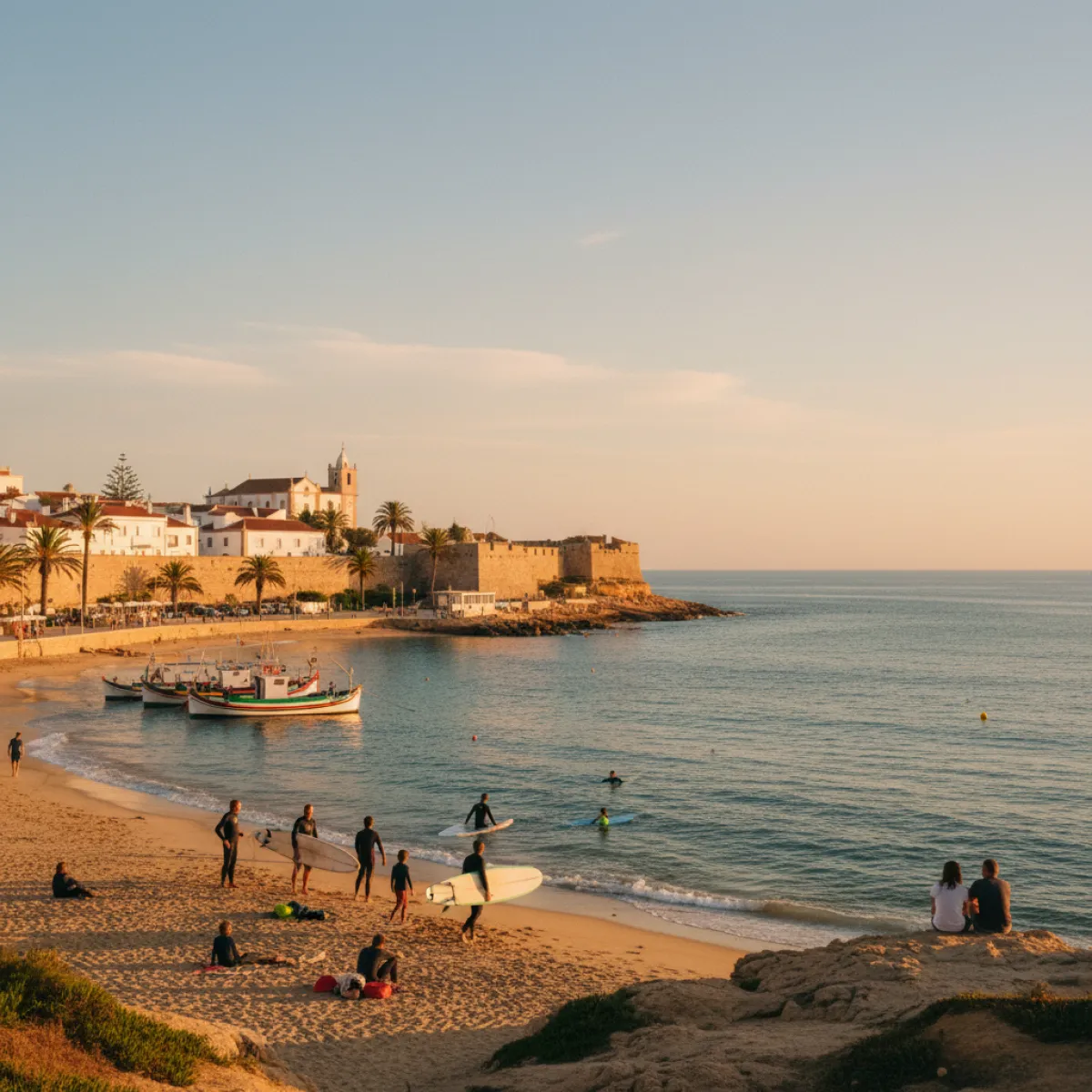
Let us settle this in the first paragraph, because too many people arrive in Faro with a surfboard under their arm and the look of someone who has been mis-sold. Faro is not a surf town. I will say it again: Faro is not a surf town. The city does not face the open Atlantic. It faces the Ria Formosa, a lagoon system protected by a string of barrier islands that does exactly what the name suggests: it blocks the sea. The waves that reach Faro are for toddlers with arm bands and for retirees doing aqua aerobics.
But. And it is a big but. If we accept that Faro is the base and not the stage, and if we are willing to spend 20 minutes by car or a small boat to reach Ilha do Farol or Ilha Deserta, then yes, there is real sea, real beach, and even white foam for those patient enough to look on the right days. This is an honest guide for those who want to combine Faro with the sea, without pretending we are in Ericeira or Sagres.
Geography matters: why Faro has lagoon and not surf
The Ria Formosa stretches for 60 kilometres, from Ancão to Cacela Velha, and protects the leeward Algarve coast in a constantly shifting arm of sand. For those who want waves, this is a problem. For those who want calm water, kayaking, paddleboarding, birdwatching, swimming with kids and fresh seafood, it is a small miracle.
The practical consequence: the best beaches for calm swimming are on the islands (Farol, Culatra, Deserta, Barreta), all accessible by boat from the Faro pier or from Olhão. For real surf, you need to head to the western Algarve, or at least to Albufeira or Armação de Pêra for decent waves, and to Sagres or Arrifana for serious ones. We will get to that.
Where to see the sea (without pretending it is an urban beach)
Praia de Faro: the city beach that is not in the city
Praia de Faro is on the Ilha de Faro, 9 kilometres from the centre, connected by a narrow road that runs alongside the airport runway. Yes, you will hear planes. Yes, you will watch them pass overhead while you wet your feet. It is surreal and entertaining, and nobody should miss the experience at least once. Bus 16 leaves the terminal and the city centre regularly in summer, takes about 20 minutes, and is the cheapest option. Single tickets are around 2.35 euros (check locally because Vamus adjusts prices periodically).
The ocean side has waves, but small, often messy ones, and rarely anything an experienced surfer would call surf. For absolute beginners, on a day with decent swell, it works. Schools operate here in summer, with two-hour group lessons running 35 to 45 euros per person, board and wetsuit included. It is a reasonable place to try surfing for the first time. It is not a place to progress.
Ilha Deserta (Barreta): the beach where there is only beach
If your idea of the sea involves silence, white sand, transparent water and absolutely no beach bar with a sound system, Ilha Deserta is what you are looking for. No electricity outside the Estaminé restaurant (which is expensive but serves fresh fish and has a deck that justifies the bill), no streets, nothing. The boat leaves Faro pier, takes about 45 minutes, and the trip itself is worth the ticket. For those who want to go deeper, I recommend combining this with a boat trip through the Ria Formosa, which loops several islands and gives a real sense of the ecosystem.
Ilha do Farol and Ilha da Culatra
These are two fishing communities with people who live there year round, low whitewashed houses, drying nets and dogs sleeping in the shade. Ilha do Farol has the prettiest ocean beach accessible by boat from Faro, with small but present waves, fine sand and almost no natural shade. Bring a hat. Culatra has more community character and seafood at decent prices in small taverns that open and close depending on the owner's mood.
Real surf: where to escape Faro
Praia da Falésia (Albufeira): the acceptable compromise
Thirty minutes by car west of Faro, Falésia is a long beach with spectacular reddish cliffs and waves that, on good days, work for upper beginners and intermediates. It is not Supertubos, it is not Coxos, but it is the closest thing to Faro with reasonable quality. Schools pick students up in central Faro and drive them out, with half-day packages running around 50 to 60 euros.
Costa Vicentina: Arrifana, Bordeira, Amado
Now we are talking different terrain. An hour and a half to two hours by car from Faro, on the western coast of the Algarve, this is where Portuguese surfers go when they want serious waves on the southern end of the country. Arrifana has a shell-shaped bay with more sheltered waves, ideal for those who can already stand on a board, while Bordeira and Amado offer more open breaks for intermediate and advanced surfers. It is a full day from Faro, but worth it. For those planning to make the trip and stay overnight, take a look at our Lagos neighborhood guide, since Lagos is the most logical base for exploring the western coast.
Sagres: the mythic edge
Sagres is where Europe ends and the Atlantic begins in earnest. Tonel, Beliche, Mareta, Martinhal, each has its character and its preferred swell direction. It is a long drive from Faro (about two hours), but if you are surfing in the Algarve and want to do it properly, it is in Sagres or on the Costa Vicentina. Full stop.
Alternatives for those who want sea without waves
Kayaking on the Ria Formosa
If we accept that the sea around Faro does not produce waves, the best way to use it is by kayak or stand-up paddle. The Ria Formosa early in the morning, with mist lifting and flamingos in the distance, is one of the most underrated experiences in the Algarve. Organised tours leave from the pier and reach small islands the tourist boats cannot access, and this kayak trip on the Ria Formosa is the most direct way to do that without negotiating with crowded boats. Average prices run 35 to 45 euros per person for a two to three hour tour.
Birdwatching: the most underrated sport in Faro
If you have never considered birdwatching, hear me out for two minutes. The Ria Formosa is home to flamingos, herons, avocets, black-winged stilts and hundreds of migratory species. In October and November, and again in March and April, the landscape is thick with birds. You do not need to be an ornithologist. You need cheap binoculars and a slow morning. The Ludo boardwalks, next to the airport, are free and overlook the salt pans where flamingos gather in greatest numbers.
How to plan a day: logistics without being boring
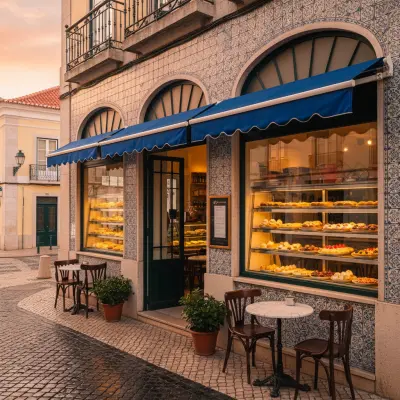
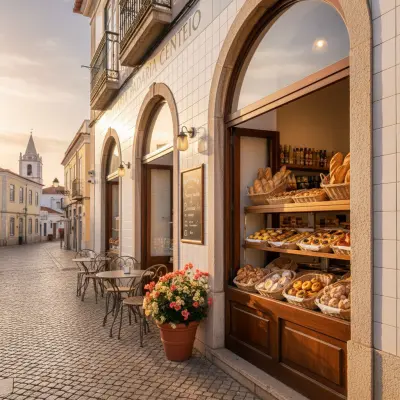
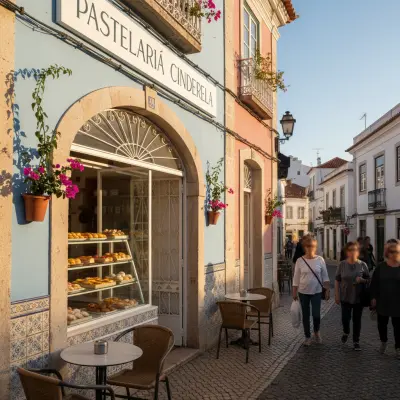
If the idea is a balanced day, here is what I recommend: start early, before eight, with breakfast at a proper pastry shop. Pastelaria Gardy is the city centre classic, a Faro institution, with above-average pastéis de nata and decent coffee. Those wanting a less obvious option will find Pastelaria Padaria Centeio bakes bread the old-fashioned way and serves the kind of bolo de noiva that only survives in pastry shops over 30 years old. For the more old-school sweet experience, with colourful display cases and women in aprons, Pastelaria Cinderela is the place.
After breakfast, head to the pier and catch the first boat to Deserta or Farol. Spend the morning on the beach. Come back to the centre by two for lunch (grilled fish at any tavern in Vila Adentro or along the riverfront) and, in the afternoon, instead of going back to the beach, take a slow walk through the hidden corners of Faro: the Bone Chapel, the convent cloisters, the city walls. This is the part of the city most people rush through and that deserves two quiet hours.
For those who want to understand the human and gastronomic side of the city better, our piece on local culture in Faro goes deeper into traditions, markets and festivals that give the city a character beyond its beach role.
What to eat when you come out of the sea
Coming back from the sea hungry and salty is one of the great pleasures available. The question is what to eat. The honest answer is fish. But real fish, not the frozen fish some tourist terraces serve as if it were fresh. The Faro Municipal Market opens early and closes around two, and it is where you see what came in to port that night. Horse mackerel, sardine (in season), gilthead bream, sea bass, octopus, squid. Those cooking at home should buy here. Those eating out will find small taverns near the cathedral and in Vila Adentro that grill fish at reasonable prices. Expect to pay between 12 and 18 euros for a decent portion, depending on the fish.
An important sub-question: cataplana de marisco in Faro, yes or no? Yes, but choose carefully. Cataplana is a sharing dish, it is expensive (40 to 60 euros for two), and when it is made carelessly it is an insult. Ask your accommodation host where they go themselves, not the first terrace with a poster offering it.
Families and travelling with kids
Faro with kids is easier than it looks, precisely because the sea has no waves. The Ria Formosa beaches are natural pools at Mediterranean temperature, with fine sand and slow gradients. For those planning a wider Algarve family trip, it is worth combining Faro with Silves, and our honest family guide to Silves gives a clear sense of what to expect.
When to go and what to avoid
June and September are the right months. July and August bring crowded beaches, inflated prices, and heat that can hit 38 degrees on bad days. May and October are delicious, with sea still cold but bearable and almost no crowds. From November to March the sea is not inviting for swimming by Portuguese standards, but it does invite walks, birdwatching, food and that winter light in the Algarve which is, without exaggeration, among the best in the country.
Avoid: terraces with menus in seven languages and photos of bacalhau à brás. Avoid: overcrowded tourist boats that stop for ten minutes at each island and treat the trip as a production line. Avoid: thinking of Faro as a stopover on the way to Albufeira or Tavira. The city has more to give than it appears, and the sea around it, even without waves, is among the most beautiful in Europe when you know where to look.
In summary, without sugarcoating
Faro is a good base for a week of sea, provided your definition of sea does not require waves. For real surf, drive a morning to Albufeira or take a two-day trip to Sagres. For swimming, head to the islands. For kayak, the lagoon. For flamingos and silence, the Ludo boardwalks at seven in the morning. To end the day, a centre pastry shop with a galão and a decent pastel, looking at the Portuguese cobbles and figuring out why this city, despite everything, is one of the most underrated places in southern Portugal.