Cooling Off in Sesimbra: Coves Over River Beaches
Everyone drives into the mountains chasing a river beach and the icy water of a dammed stream. But forty minutes from Lisbon, Sesimbra has turquoise coves, just-caught fish and a sea you can actually swim in. Here is why the detour is worth it.
There is a summer ritual that half of Portugal knows by heart: get in the car, drive up into the mountains and hunt down a river beach. The icy water of a dammed stream, the shade of a plane tree, the sweaty ham sandwich at the bottom of the backpack. It is lovely, it is tradition, and in July it is heaving. Anyone arriving after ten in the morning parks a kilometre away and walks down. The water rarely climbs above fifteen degrees, which is glorious for the first thirty seconds and pure torture from minute two onwards.
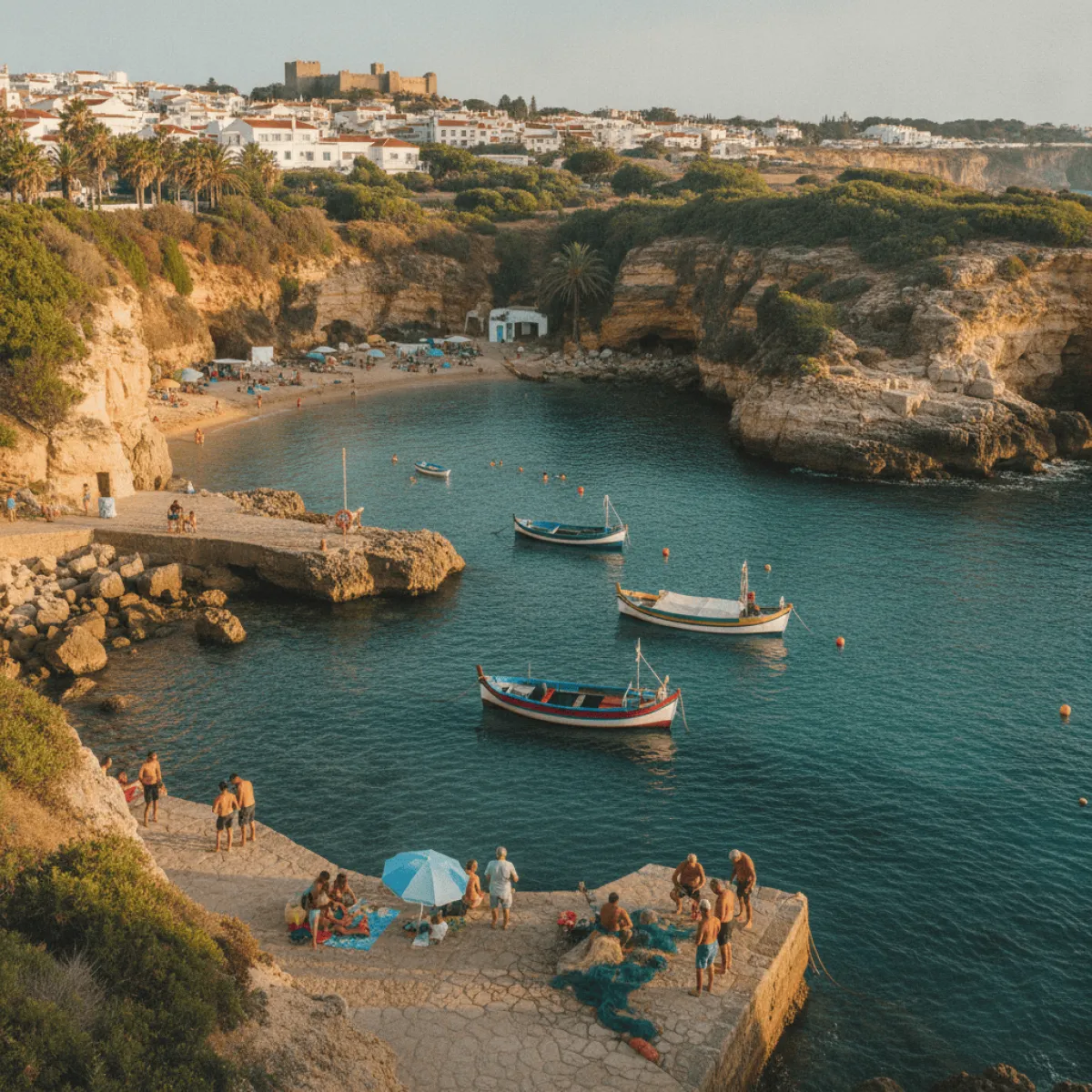
My proposal is simple: if the goal is to cool off, head south of Lisbon instead of inland. Sesimbra sits less than forty minutes from the capital and offers something no river beach can match: clear-water coves sheltered by the Arrábida mountains, with pale sand that turns the sea turquoise. It is the prettiest water south of the Tagus and, contrary to what most people assume about the Atlantic, you can actually swim here without turning blue.
Why Sesimbra beats the mountains
The secret is geography. The Arrábida range drops steeply into the sea and acts as a wall that breaks the northerly wind. The result is calm, almost swimming-pool water and a temperature that, at the height of summer, can genuinely be pleasant, a rare thing on the Portuguese coast. While a mountain river beach lives at the mercy of the previous winter's rainfall and the river's flow, here the tide is generous every single day.
Sesimbra is still, above all else, a fishing village. At six in the morning the boats unload at the harbour and by lunch the fish is on your plate. That detail changes everything: after a morning at the beach you will not be eating a petrol-station sandwich, you will be eating grilled fish that was alive at dawn. To understand the village beyond the row of beach umbrellas, take the walking tour of history and local flavours with the Pexitos, which drags you off the seafront and into the back streets where the place actually lives.
The coves, ranked by effort
Praia do Ouro and Praia da Califórnia: the easy ones
These are the town beaches, a few steps from the centre and the promenade. Sand, cafés behind, lifeguards in summer and zero effort to reach. They are not the prettiest in the area, but they are unbeatable if you travel with kids, with grandparents or with sheer laziness. The upside is obvious: step out of the water and within five minutes you are sitting down to a fish lunch. The downside too: in August your neighbour's towel is glued to yours.
Practical tip: arrive before ten or after four in the afternoon. The late sun on Califórnia is gentler and the morning crowd has already gone home for a siesta.
Praia dos Lagosteiros: the middle ground
Further west, near Cabo Espichel, this is a bigger, wilder beach with a reputation for stronger surf. It is not the best for a quiet dip, but it is spectacular for anyone who wants space and towering cliffs. Oddly enough, it is also a spot with fossilised dinosaur footprints in the rock, which makes it a perfect way to keep children entertained between two swims. Check sea conditions locally before you let the little ones in.
Praia da Ribeira do Cavalo: the one worth the sweat
This is the photo everyone has seen without knowing where it is. Azores-blue water, white sand, cliffs all around. The catch is getting there: the trail on foot from Sesimbra is steep, slippery in places and definitely not for flip-flops. Bring trainers, real water and do not attempt it in the middle of the afternoon in forty-degree heat.
The civilised alternative is to grab a water taxi from Sesimbra harbour, which makes the trip in a few minutes and spares your knees. Prices vary with the season and the operator, so confirm at the quay on the day. Bring everything you need: at Ribeira do Cavalo there is no bar, no shade for hire, nothing. That is precisely the point.
When the heat gets serious: Arrábida
Technically this is no longer Sesimbra town, but it belongs to the same municipality and is the number one reason to come here. Portinho da Arrábida, Galápos and Galapinhos are the beaches that show up on lists of Europe's most beautiful, and for once the internet is not exaggerating. The water is transparent, the seabed is pale and the mountain, draped in Mediterranean scrub, drops right onto the sand.
The catch is access. In summer, the Arrábida Natural Park restricts car entry to protect the area, and there is a parking and shuttle system that changes from year to year. Do not trust your memory from 2019: check the access rules and shuttle times locally before you leave home. Anyone who ignores this ends up doing a three-point turn on a narrow road with the kids crying in the back.
The reward, for those who plan, is what no river beach will ever offer: swimming in crystal-clear salt water with the open sea ahead and the silhouette of the mountains behind. Pack a mask and snorkel. The rocky bottom at Galápos hides more fish than you would expect.
What to eat, and how not to get fleeced
The golden rule of Sesimbra: eat fish and keep it simple. The village lives off the sea and the best it has to offer is fish grilled to order, drizzled with olive oil and little else. Fried cuttlefish is almost compulsory, a Setúbal-region tradition done well here. Order the grilled mackerel or horse mackerel too: they are cheap, fresh and better than half the pricey sea bass they try to push on tourists along the front.
Be wary of menus with photographs and waiters who flag down passers-by. The best places do not need to grab you by the arm. If you want to understand the region's sweet-making tradition before you travel, the guide to traditional sweets in Mafra offers good clues about what sets this area's convent pastries apart from the rest of the country.
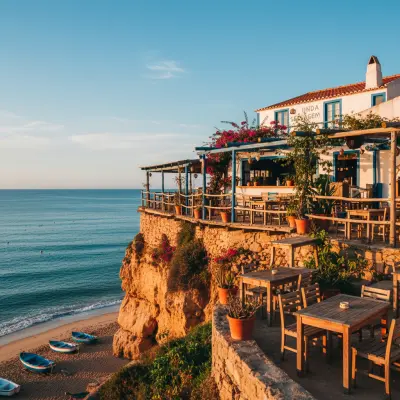
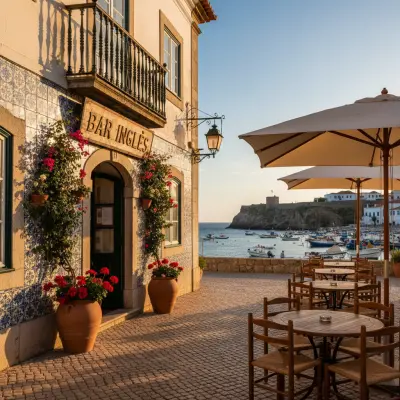
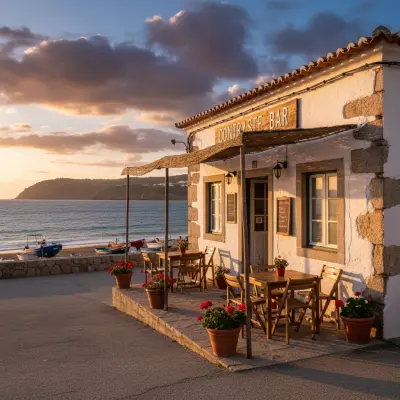
For the late afternoon, when the salt has dried on your skin and a cold beer with a view is in order, Sesimbra has plenty of choice. The Onda Selvagem Bar is the right call if you want to keep your feet in the sand while the music creeps up in volume as the sun goes down. More classic and laid-back, the Bar Inglês is the kind of place where you drink slowly and actually talk. And if you want something with a bit more swagger for the night, the Contraste Bar rounds off the evening well.
Where to stay to stretch the trip
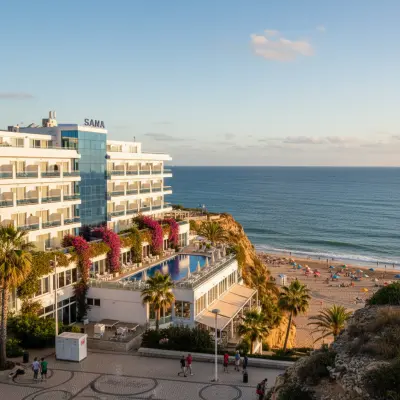
Sesimbra works as a day trip from Lisbon, but that is a mistake. The village comes into its own at night, when the coach tours leave and only those who stayed remain. For anyone deciding to spend the night, the SANA Sesimbra Hotel has the advantage of a location by the beach, which on a summer day is worth its weight in gold: walking back from the water and showering before dinner is the kind of luxury that makes the difference.
Staying here also solves the traffic problem. The roads into Arrábida clog up in the morning and at the end of the day, and anyone sleeping nearby can go early, catch the beach empty and return before the chaos. People who drive back to Lisbon the same day spend half their summer stuck in a queue.
Beyond the beach
There is life in Sesimbra when the sea is rough, or simply when you have had enough of sand. The medieval castle above the village offers a view that justifies the climb, especially in late afternoon, with golden light hitting the bay. And for those who like to take home a memory that is not a fridge magnet, the wild flower arranging workshop with A Miúda das Flores is a different way to spend a morning, learning to compose with what grows right here on the Arrábida slopes.
If you are building a wider itinerary around the Lisbon region, it is worth pairing Sesimbra with other stops that have a character of their own. The Sintra neighbourhood guide is made for foggy days when the beach loses its appeal, and the guide to local culture in Lisbon helps you balance the salt of the sea with the tarmac of the city.
The plan in three lines
- Morning: beach early. Arrábida if you can sort out the access, Ribeira do Cavalo if you want adventure, Califórnia if you travel with family.
- Lunch: grilled fish or fried cuttlefish in the village, no menus with photographs.
- Late afternoon: castle for the view, beer at a bar with your feet in the sand, an unhurried dinner and a night in the village rather than fleeing to Lisbon.
The mountain river beaches have their charm and their nostalgia. But if what you are after is clear water, freshly caught fish and a village that still smells properly of the sea, the detour to Sesimbra is among the easiest to justify south of Lisbon. The water is warmer, the landscape is bigger and, at the end of the day, there is always a beer waiting with the sunset in front of you.