Beyond the Stone: A Connoisseur’s Guide to Batalha
Explore Batalha beyond the monuments: a deep dive into the sublime Gothic architecture of the Unfinished Chapels and the sophisticated farm-to-table dining scene. An essential guide for those seeking history and modern quality in central Portugal.
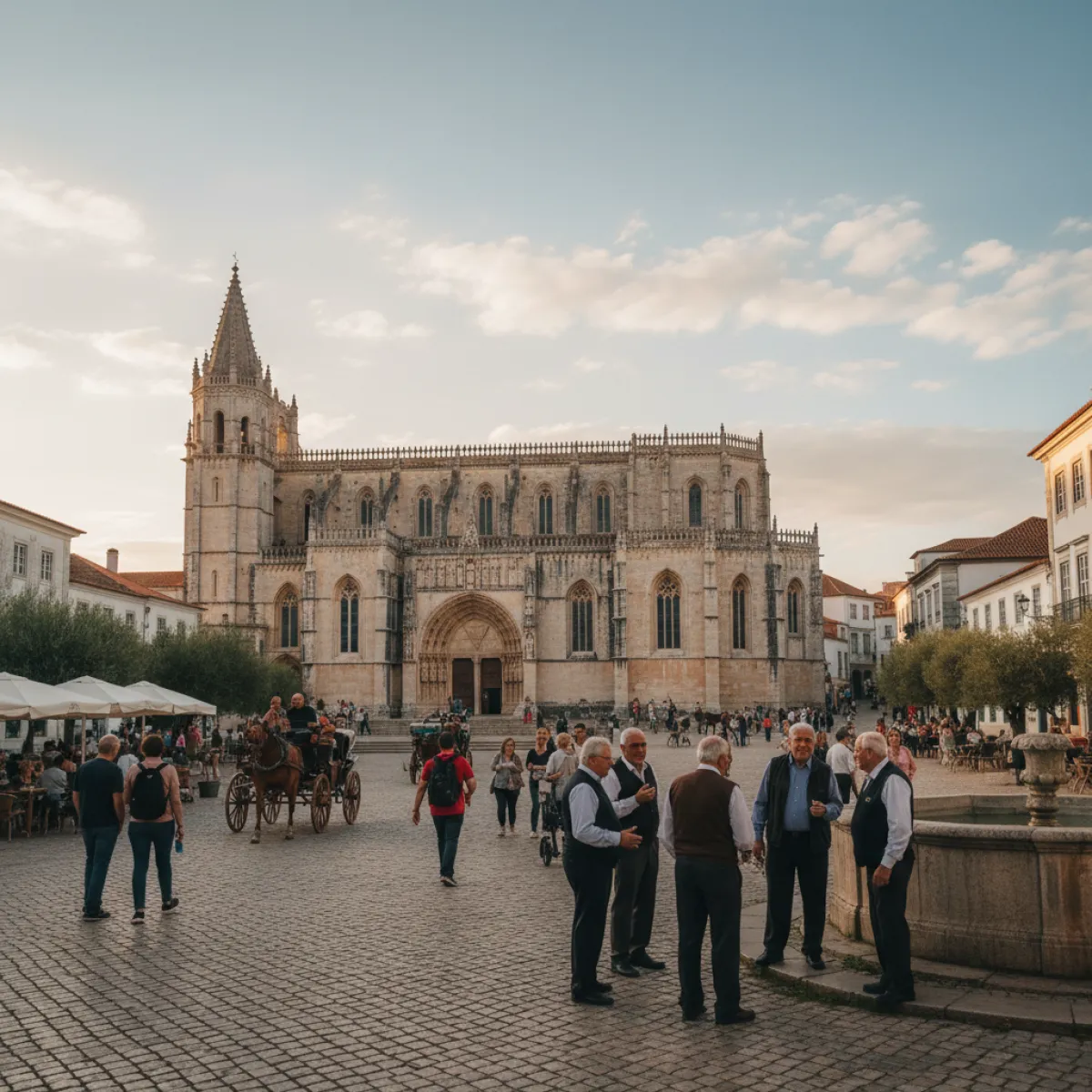
The Architecture of Sovereignty
To approach Batalha is to witness an architectural flex that has lasted for over six centuries. As you drive into this quiet town in central Portugal, the Mosteiro da Batalha (Monastery of Saint Mary of the Victory) emerges not as a mere religious site, but as a limestone manifesto of independence. For those following our Portugal Itinerary: A Week in the Heart of the Country, Batalha serves as the intellectual pivot between the coastal energy of Lisbon and the historical depths of the north.
Commissioned by King João I to fulfill a vow made before the Battle of Aljubarrota in 1385, the monastery is a masterpiece of Flamboyant Gothic. However, its true genius lies in its transitions. Here, the sternness of the Dominican order met the decorative fever of the Manueline style. It is a mandatory stop for those traveling along The Measured Pace: A Seven-Day Passage from Lisbon to Porto via the Ria, offering a moment of profound stasis amidst a trans-regional journey.
The Sublime Imperfection
The Capelas Imperfeitas (Unfinished Chapels) are perhaps the most evocative space in the country. To call them unfinished is a technicality; they are, in many ways, perfect in their incompleteness. Intended as a pantheon for King Duarte, the construction stopped when King Manuel I redirected funds to the Jerónimos Monastery in Belém. Today, the chapels stand open to the elements, their intricately carved pillars reaching for a sky that serves as their only vault. The contrast between the heavy, moss-covered stone and the ethereal blue above is a sight that demands silent contemplation.
Moving through the Royal Cloister, one should pay attention to the stone tracery within the arches. These carvings, featuring lotus flowers and marine ropes, are early whispers of the Age of Discovery. If this dialogue between time and stone resonates with you, consider continuing your journey to the north to explore Coimbra: The Grammar of Time in Portugal’s Intellectual Capital, where the narrative of Portuguese identity continues through the lens of academia and tradition.
The Modern Table: Dining in Batalha
Batalha is no longer a town trapped in its own history. A new wave of hospitality has taken root, catering to a traveler who values substance over spectacle. Trintta is the vanguard of this movement. Located near the monastery, this restaurant shuns the predictable menus of the tourist trail in favor of a farm-to-table ethos. The pork cheeks, slow-cooked to the point of surrender, and the seasonally driven vegetable sides are a revelation. The interior, all clean lines and warm wood, would not look out of place in a Monocle city guide.
For a more traditional yet equally refined experience, Burro Velho offers a cozy, informal atmosphere. Their commitment to local sourcing is evident in their wine list and their artisanal bread. Ordering the grilled octopus or the roasted lamb here is a lesson in the honest flavors of the Estremadura region. It is the kind of place where a two-hour lunch feels like a necessary part of the historical itinerary, allowing the weight of the morning’s architecture to settle.
Practicalities for the Discerning Traveler
When to visit: Late afternoon is the golden hour. Not only is the light on the monastery’s facade exceptional, but the interior’s 16th-century stained glass windows come alive, casting pools of violet and ruby light onto the nave. Avoid the mid-morning rush when large tour groups from Lisbon tend to arrive.
Budget: Entry to the monastery is €10. A meal at Trintta or Burro Velho will typically cost between €35 and €55 per person, depending on your wine selection. For those staying overnight, the Hotel Villa Batalha provides a sophisticated base with excellent views and a spa that utilizes local ingredients.
Details matter: In the Founder’s Chapel, the joint tomb of King João I and Queen Philippa of Lancaster is a rare example of a royal couple depicted holding hands, a testament to a marriage that cemented the Anglo-Portuguese Alliance, the oldest in the world.
The Chapter House and the Unknown Soldier
A visit to the Chapter House is essential. The vaulting here was so daring for its time that it was rumored the architect, Afonso Domingues, had to sit beneath it alone while the supports were removed to prove it wouldn't collapse. Today, it houses the Tomb of the Unknown Soldier, guarded by two soldiers who remain perfectly still, their presence a bridge between the medieval battle that founded this site and the 20th-century conflicts that defined modern Portugal. The changing of the guard, happening every hour, is a somber, dignified ritual that adds a layer of living history to the stone walls.
Batalha is a destination that requires you to slow down. It is not a place to be ticked off a list, but a site to be inhabited. Whether you are interested in the technical mastery of the Gothic era or the simple pleasure of a well-poured glass of local wine, this town offers a depth that rewards the patient observer.
