Belmonte: No Ocean, But the River Makes Up for It
Belmonte has no ocean and no waves, but the River Zêzere compensates with cold mountain water and uncrowded banks. An honest guide to what serra water actually offers.
Let's get this out of the way immediately: if you came here looking for surf breaks, board rentals, and salt-crusted hair, Belmonte has none of that. The town sits on the slopes of Serra da Estrela, over 100 kilometres from the nearest coastline. No waves, no ocean breeze, no surf schools with instructors named João offering you a "radical experience."
But there is water. And the water Belmonte has, from the River Zêzere and its tributary streams, is the kind that makes you forget the Atlantic exists.
The Zêzere: Portugal's Best River You Haven't Heard Of
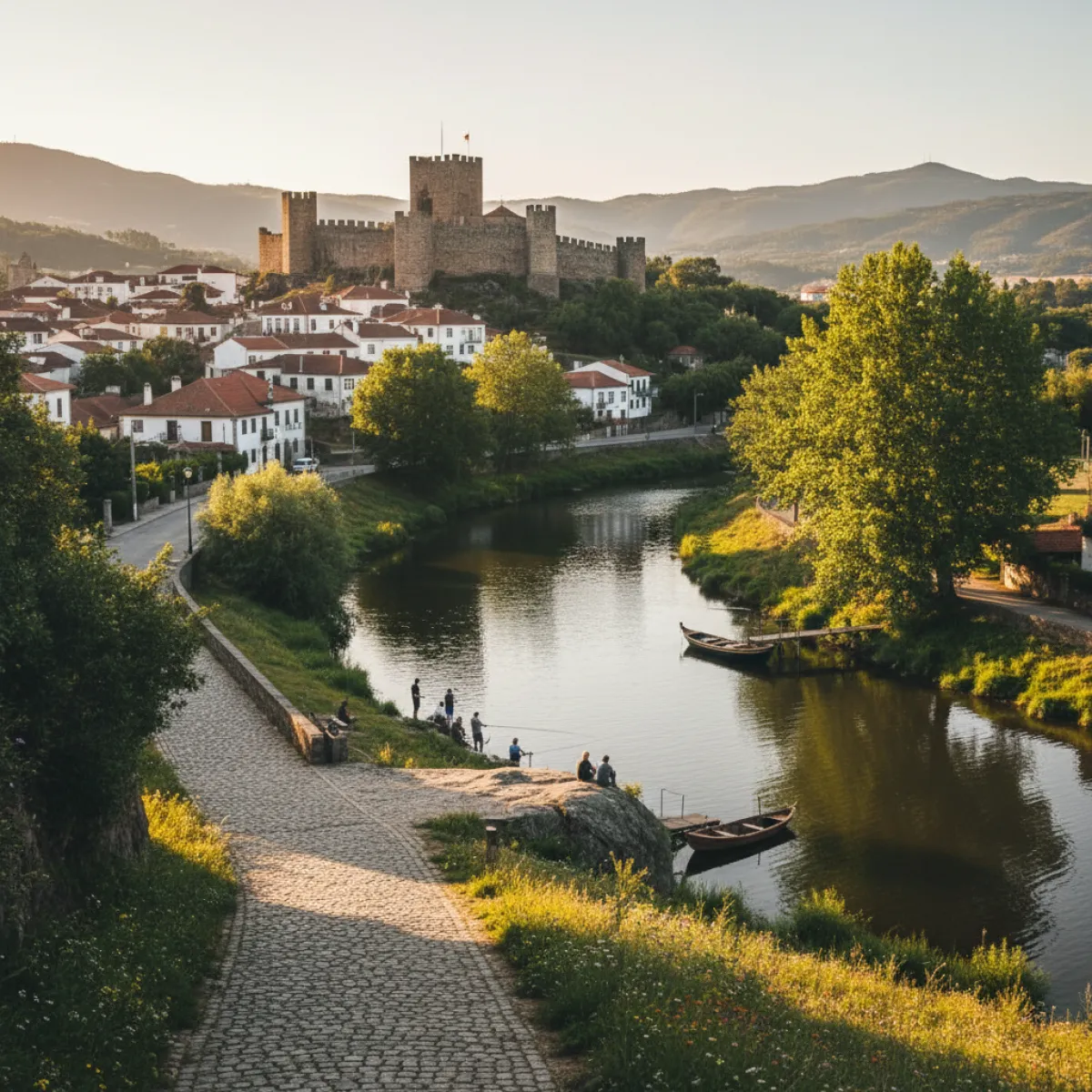
The Zêzere is born in the high peaks of Serra da Estrela, at Cântaros, and flows south through valleys that look hand-carved. Near Belmonte, the river has enough volume for proper swimming but hasn't yet developed the strong current it picks up further downstream near Constância. The water is clean, cold even in summer, and the banks offer enough space to lay down a towel without someone's elbow in your face.
The river beaches around here don't show up on Instagram lists or travel magazine rankings. That's the point. While Praia Fluvial da Loriga, further north in the serra, fills up like a Lisbon beach in August, the swimming spots near Belmonte maintain the kind of quiet you can only find where tourism hasn't quite landed yet.
Best time to go is June through September, when the water temperature is bearable (never warm, mind you, this is mountain water). Bring a blanket to lie on the rocks after swimming, because the shade from the oaks and chestnut trees cools things down quickly.
Where to Stay: Your Base Camp
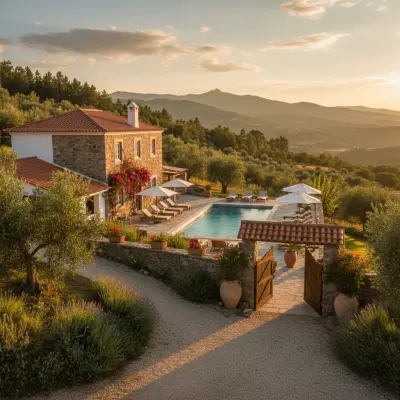
Belmonte has surprisingly good accommodation for a town its size. Quinta do Rio is the obvious choice for anyone wanting proximity to the water. The name doesn't lie: it's right by the river, and it has that restored farmhouse feel done with genuine taste, not the generic rural hotel look.
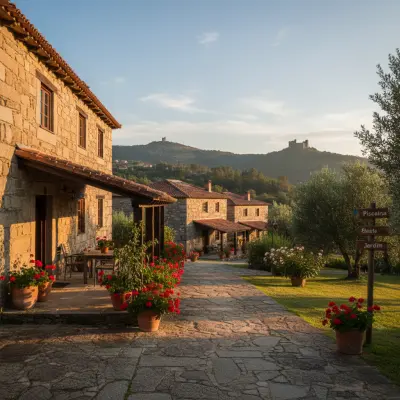
If you want something with more rustic character, Kazas do Serado is rural tourism done properly. Stone houses, silence, and the feeling of being somewhere that operates on a different clock. Don't expect a TV in the room or a minibar. Expect to wake up to birdsong and not much else.
For those wanting a middle ground between comfort and rusticity, TheVagar Countryhouse strikes the right balance. The name plays on "vagar," a Portuguese word for taking things slowly, which tells you everything you need to know.
What to Do When You Get Out of the Water
Belmonte isn't just a river. The town has dense history, and I don't mean the generic kind you find in every Portuguese village. Pedro Álvares Cabral was born here, yes, everyone knows that. More interesting is the Jewish community that survived in secret for centuries, practising their faith behind closed doors while the Inquisition hunted conversos across the country.
The Jewish Museum of Belmonte documents this history with precision and without excessive dramatisation. Worth the visit. And if the subject genuinely interests you, the private tour of the Sephardic community goes far beyond what any museum can convey. It's the kind of experience that changes how you look at Portuguese history.
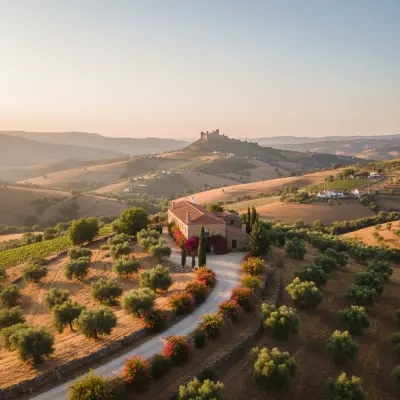
Belmonte Castle, above the town, deserves half an hour of your time. Not for the castle itself, which is competently restored but holds no real surprises, but for the view. From up there you can see the Zêzere valley, the Gardunha range in the distance, and you begin to understand how this landscape shaped the lives of everyone who lived here.
Eating in Belmonte
The local cuisine is mountain food, with everything that implies: roast kid goat, cured meats, cheese, chestnuts. Don't come looking for fresh fish (we're 100 km from the sea, remember?). Cabrito assado, roast kid goat, is the dish worth seeking out. It's done in a wood-fired oven with potatoes soaking up the juices, and it needs nothing else on the side.
Serra da Estrela cheese, the real stuff made with raw sheep's milk and thistle rennet, can be found at local markets and some farms. Be suspicious of what's sold in the souvenir shops by the castle. Ask locals who makes good cheese in the area. The answer is never the most visible shop.
As for restaurants, Belmonte has honest options without gastronomic pretensions. Regional food served in generous portions, with house wine that rarely disappoints. Check locally what's open, especially outside peak season, because hours change frequently.
The Serra as Natural Extension
Using Belmonte as a base for exploring Serra da Estrela is a smart move. The town has the advantage of being less touristy than Covilhã or Manteigas, which means lower prices and fewer queues.
With a car, everything the serra offers is within a 30 to 40 minute radius. Manteigas and its snow wells trail is an essential hike for anyone who likes trails with history attached. The wells, where snow was stored centuries ago to preserve food, are a physical reminder of how hard and ingenious mountain life was.
To the south, Fundão and the Serra da Gardunha offer an interesting contrast. In spring, the cherry orchards in bloom transform the landscape into a spectacle that rivals Japan (no exaggeration). We have a dedicated guide to the Fundão cherry blossoms worth reading if you're visiting between March and April.
And if you want to extend your trip beyond the serra, the schist villages are within reasonable distance. The one-day road trip from Covilhã to the schist villages works perfectly as an excursion from Belmonte, adding perhaps 20 minutes to the original route.
Practical Information
Belmonte is about 3 hours from Lisbon via the A23, and 2.5 hours from Porto. There's no direct train: the closest stations are Guarda or Fundão, and from there you'll need a car or taxi. Having your own car is, in practice, essential. Public transport in the region is sparse and unreliable.
In terms of when to go: summer is the obvious choice for river swimming, but May, June, and September are excellent months for walking without the intense heat of July and August. Winter is genuinely cold, with lows near zero, but it has its charm for those who enjoy fireplaces and empty landscapes.
Plan two to three days for Belmonte and surroundings. One day for the town and the river, another for the serra, and a third if you want to explore the schist villages or Fundão. Less than that and you'll leave feeling you barely scratched the surface.
As for costs, Belmonte is significantly cheaper than the coast. Rural accommodation runs 50 to 80 euros per night for a couple, and a full meal with wine comes to 15 to 25 euros per person. Confirm prices directly with accommodations, as they vary by season.
The Truth About Surfing in Belmonte
There is none. And it doesn't need any. Portugal has 800 kilometres of coastline for those who want waves. Belmonte offers something else: cold mountain water, stones polished by time, and the certainty that not everything has to be about the ocean. Sometimes a river in the middle of the mountains is exactly what you need.