Amarante: Where to Shoot and When the Light Is Perfect
At 7am by the Tâmega, with no tourists and no wind, the São Gonçalo Bridge reflects perfectly in the water as if the town were designed for that one moment. This guide explains where to stand and when to shoot Amarante in its best light.

Amarante is one of those towns that looks like it was designed to be photographed. The problem is that most people pull out their phone on the São Gonçalo Bridge at noon, with the sun directly overhead and harsh shadows everywhere, and go home with a flat image that could be any bridge anywhere. The town deserves better. And the light, if you know when and where to catch it, does the heavy lifting.
You don't need to be a professional photographer. You just need patience, a basic sense of where the sun is, and the knowledge that Amarante, wedged between the Serra do Marão mountains and the Tâmega valley, has geography that creates very particular light conditions throughout the day. The river runs through a relatively narrow valley, which means the first and last hours of light hit harder here than in flat cities. The mountains cut the sun earlier in the evening and filter it more gently at dawn.
São Gonçalo Bridge: the obvious shot that still delivers
Yes, it's the postcard. Yes, everyone photographs it. And yes, it's still the best place to start. But there are ways to do it properly.
The granite bridge, rebuilt in 1790 after the original collapsed, connects both banks of the Tâmega with solid arches that reflect in the water when the river is calm. The reflection is the key. And the reflection depends on two things: low wind and low-angle light.
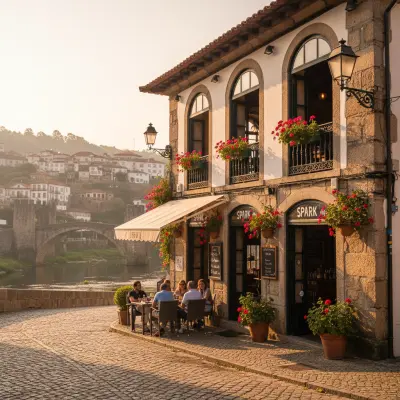
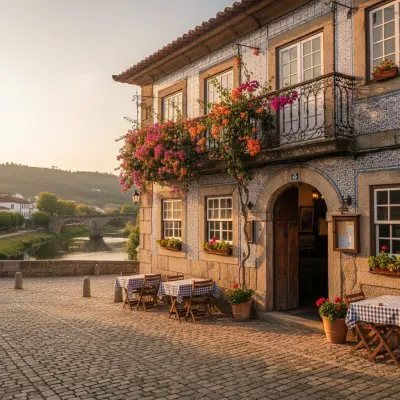
In the early morning, between 7am and 8:30am in spring and summer, the light enters the valley and catches the façade of the Mosteiro de São Gonçalo and the old houses on the south bank with warm, golden tones. This is the best time to shoot from the north bank, along the riverside walkway. Walk 20-30 metres to the left of the bridge (facing it) and you'll find the classic angle: the arched bridge, the monastery behind it, the painted wooden balconies of the old houses reflecting in the river. No tourists, no visual noise. Just the town waking up.
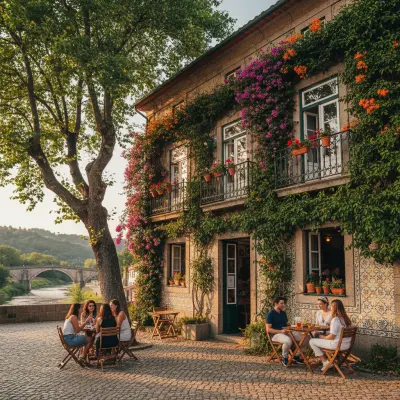
In the late afternoon, the dynamic reverses. The sun drops behind the Serra do Marão and the light becomes warmer, more filtered. From around 6pm in summer (earlier in winter), the north-facing façades of the old town catch a sidelight that picks out every texture in the granite and stonework. At this point, the best position is on the bridge itself or the south bank, near the café terraces on Rua 31 de Janeiro.
The riverside walkway: a corridor of light nobody rushes
The paved walkway along the Tâmega is more than somewhere to stretch your legs. It's a photographic corridor with perspectives that change every 50 metres.
From the bridge, walking downstream along the north bank, Amarante's old houses line up like a row of coloured dominoes above the water. The south-facing façades catch direct sun for most of the day, but the sweet spot is early morning, when the light is still soft and the building colours appear saturated without being blown out.
If you want to see the town from a different angle, the traditional boat experience on the Tâmega gives you a perspective you can't get from dry land. From the water, the scale of the bridge and monastery shifts, and at the right time the light reflecting off the river illuminates the façades from below in an almost theatrical way.
Igreja de São Pedro: the viewpoint most people skip
The Igreja de São Pedro, with its 17th-century azulejo tiles inside, sits on higher ground above the centre. The church forecourt and surrounding area offer a perspective over Amarante's rooftops that few people bother to seek out. It's a strong spot for shooting the layered rooftops with the river below and the Serra do Marão on the horizon.
The light here works best in the late afternoon, when the low sun turns the red clay rooftops into a palette of oranges and ochres. In winter, when the sun sits lower, this view takes on an almost Nordic quality, with long shadows and sharp contrast between the dark stone churches and the sky.
Solar dos Magalhães: the ruin that tells a story
The ruins of the Solar dos Magalhães, near Rua Cândido dos Reis, are one of Amarante's most photogenic spots and one of its most historically loaded. The manor house was burned by French troops in 1809 and was never rebuilt. What remains is a roofless stone shell with windows that frame pieces of sky.
For photography, the Solar works at any hour, but it's particularly strong at midday, when direct sunlight enters through the glassless windows and creates geometric patterns of light and shadow on the floors and interior walls. It's one of the rare places in Amarante where harsh overhead sun is an ally, not an enemy.
The Ecopista do Tâmega: landscape in motion
If you want to get out of the centre and photograph the broader Tâmega valley landscape, the Ecopista is your route. This 39-kilometre path follows a former railway line through tunnels, over bridges, and along open stretches with views over the river and surrounding mountains.
You don't need to do all 39 kilometres. The first 5-6 kilometres from Amarante already offer excellent views, especially on the elevated sections where the old railway line rises above river level. For those who prefer pedalling, the cycling tour on the Ecopista with Amarante Trilhos is a practical way to cover more ground without worrying about logistics.
The best light on the Ecopista depends on your direction of travel. In the morning, walking north with the sun at your back, the landscape is evenly lit. In the late afternoon, heading south, you catch the light head-on and the backlit effects on the river can be spectacular.
Parque Florestal: where the light filters through
The Parque Florestal de Amarante, slightly downstream from the centre, is the spot for anyone who likes shooting with light filtered through trees. The wooded paths create patterns of light and shadow that shift throughout the day, and on misty mornings the park becomes something close to surreal.
Mid-morning, between 9am and 11am, the light coming through the tree canopy creates visible rays when there's moisture in the air. It's an effect that's hard to replicate anywhere else in town. The park also has sections along the river with calmer water than the centre, giving you cleaner reflections.
Where to eat between photo sessions
Shooting works up an appetite, and Amarante handles that well. Pobre Tolo is a solid choice for a proper meal. The regional cooking here is honest and well-executed.
For the end of the day, after catching the last light on the bridge, Torre Jardim Bar is a good spot to wind down with a drink. And if the night calls for more, Spark Bar keeps things lively.
Practical tips for getting the light right
- Spring and autumn are the best seasons to photograph Amarante. The sun is lower, the light is warmer, and morning fog in the Tâmega valley adds atmosphere.
- In summer, avoid shooting between 11am and 4pm. The light is hard and directionless. Use those hours to visit church interiors or have lunch.
- The river reflection is sharpest in the early morning, before the wind picks up. If you want the perfect bridge reflection, be there at 7am.
- Overcast days aren't wasted. Diffused light saturates building colours and eliminates harsh shadows. Ideal for shooting the façades on Rua 31 de Janeiro.
- Bring a light tripod if you're shooting at dawn or dusk. The light is beautiful but scarce, and without a tripod you'll be pushing ISO higher than you'd like.
Getting there and when to go
Amarante is about an hour from Porto via the A4 motorway. There's no direct train, but regular buses run from Porto. If you're planning day trips from Porto, Amarante fits neatly into a single day, though it deserves more. Leave early to catch the morning light and stay for sunset.
Northern Portugal has other towns that complement a photography trip well. Braga, less than an hour away, offers a completely different kind of urban photography: more monumental, more vertical.
Amarante doesn't need filters or tricks. It needs patience, the right hours, and someone willing to read the light before staring at their phone screen.