Amarante as a Base: Day Trips Worth the Detour
Amarante isn't just a stop on the way to the Douro. It's the perfect base for reaching Guimarães in 35 minutes by bus, hiking the Serra do Marão, or driving down to Douro wine country without Porto's crowds.
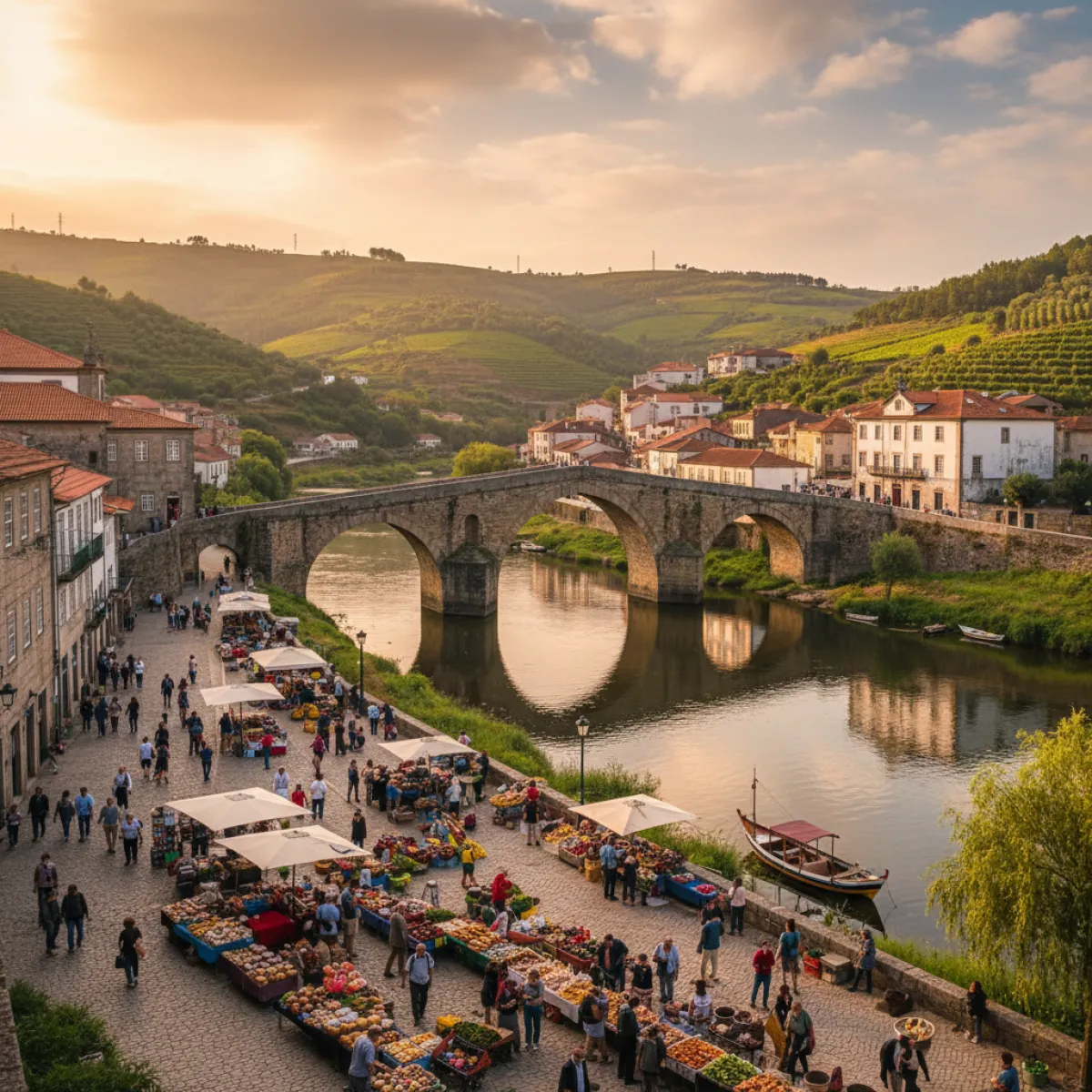
Most people treat Amarante as a pit stop. They drive in from Porto, snap a photo of the São Gonçalo bridge, eat a pastry, and leave. Which is a shame, because Amarante happens to sit at the exact intersection of several of northern Portugal's best destinations, all within an hour's drive. The Douro Valley, Guimarães, Braga, the Serra do Marão: they're all right there. And Amarante itself, with its riverside calm and excellent food, makes a far better base than Porto if you want to explore without the crowds and the parking nightmares.
Here's my pitch: stay three or four nights. Use Amarante as your headquarters. Take day trips. Come back each evening to eat at Pobre Tolo, which alone justifies the stay. This is how you do the North properly.
The Tâmega Ecopista: Start Without Leaving Town
Before heading anywhere far, spend a morning on what's right at your feet. The old Tâmega railway line, decommissioned in 1990, has been converted into a cycling and walking path that follows the river for about 9 km between Amarante and the former station at Chapa. It's flat, it's beautiful, and at 8am you'll have it mostly to yourself.
If you didn't bring a bike, the easiest option is to join the guided Ecopista tour with Amarante Trilhos, who handle equipment and add historical context about the old railway and the region. It's the kind of morning that earns you the right to overeat at lunch.
Prefer water to wheels? The traditional boat experience on the Tâmega offers a different angle. Half an hour on the river, watching the São Gonçalo bridge recede behind you, and suddenly the town looks different from water level. It's not adventure tourism. It's the art of slowing down, and it works.
Guimarães: 40 Minutes, Another Century
Of all the day trips, Guimarães is the easiest. It's about 42 km away, Rodonorte runs buses in roughly 35 minutes for around €4, and you don't need a car. The bus station in Guimarães is within walking distance of the UNESCO-listed historic centre.
What to do: start at the Palace of the Dukes of Bragança (worth going inside, not just the exterior), climb up to the castle, and then get lost in the old town streets. Praça de Santiago and Largo da Oliveira are the heart of it all, lined with cafés that fill with locals at lunchtime. Eat in Guimarães. The tascas in the centre serve rojões and papas de sarrabulho the way they should be, and prices are reasonable for what you get.
Practical note: go early. The first Rodonorte bus leaves around 8:30am and the last returns are in the late afternoon. Check schedules locally or on the Rede Expressos website, as they shift with some regularity. Guimarães deserves a full day, not a rushed two-hour visit.
Peso da Régua and the Douro: The Wine Gateway
Amarante sits in a geographically enviable position: roughly halfway between Porto and the heart of the Douro Valley. Peso da Régua is about 35 minutes by car via the N101, a road that crosses the Serra do Marão with views that reward a slow pace. Rede Expressos runs buses that make the trip in about an hour, departing from the Amarante bus terminal, but there are only two or three per day. If you want flexibility in the Douro, a car is nearly essential.
In Régua, the Museu do Douro is the main draw, housed in the old Companhia building. It tells the story of Port wine with rigour and without excessive romanticism. After that, the smart move is to follow the river road toward Pinhão, another 25 km east. The road along the Douro, with terraced vineyards on both sides, is arguably the most beautiful drive in Portugal.
Quintas along the way offer wine tastings, typically €10 to €20 per person. Quinta do Vallado, Quinta da Roêda, Quinta do Bomfim: well-known names that are easy to find. If you're driving, moderate the tastings. If you're not, even better.
This kind of day pairs well with our guide to the best day trips from Porto, which covers the Douro route in more detail from a Porto starting point.
Serra do Marão: The Mountain at Your Back Door
You don't need to go far for serious nature. The Serra do Marão begins on the outskirts of Amarante and rises to 1,415 metres at its peak. It's the natural barrier between the coast and Trás-os-Montes, and you can feel it: on the Amarante side, everything is green and damp; cross over, and the air dries, the landscape shifts.
There are marked hiking trails of varying difficulty. For a relaxed day, the trail from the village of Ansiães is accessible and rewarding. For something more demanding, the climb to the peak offers views that on clear days reach the Atlantic. Bring layers. Even in summer, the top of the serra can be 10 degrees cooler than Amarante.
There's no public transport to the mountains. You'll need a car or a strong appetite for uphill cycling. But the payoff matches the effort: few people, real quiet, and a perspective on the North you won't get anywhere else.
Braga: The Day Trip That Deserves an Overnight (But Fits in a Day)
Braga is about 1 hour 20 minutes by bus from Amarante. It's further than Guimarães, but worth every minute. This is a city that blends two thousand years of religious history with a cultural and food scene that rivals Porto, minus the tourist pressure.
Bom Jesus do Monte is non-negotiable, if only for the baroque stairway and the hydraulic elevator that's been running since 1882. The historic centre is compact and walkable. Braga Cathedral, the oldest in Portugal, is more interesting inside than the façade suggests. And Rua do Souto, the main commercial artery, has the rhythm of a living city that feels good after days in quieter towns.
If you're visiting between March and April, don't miss Holy Week, the biggest religious event in the country. We have a complete guide to Holy Week in Braga that explains what to see and when. For a broader look at the city, our Braga city guide covers the essentials without the fluff.
Note: combining Braga and Guimarães in a single day is possible but exhausting. They're 25 minutes apart, but both deserve time. My suggestion is to dedicate a day to each.
Lamego: For Those Who Like Sanctuaries and Presunto
Lamego gets overlooked, and that's unfair. It's about 45 minutes by car from Amarante, on the other side of the Serra do Marão, and it has two irresistible arguments: the Sanctuary of Nossa Senhora dos Remédios, with a monumental stairway that rivals Braga's Bom Jesus, and a food tradition built around presunto (cured ham) and sparkling wine.
Yes, sparkling wine. The Lamego area has been producing quality espumante for decades, and the Raposeira caves offer guided visits. It's an unexpected detour for anyone who thinks Portugal only does Port wine and Alvarinho.
Bus access is possible but limited. By car, the road through the serra is an experience in itself. Check conditions in winter, as the Marão can get snow.
Coming Back to Amarante: The Best Part of the Day
Part of the pleasure of using Amarante as a base is the return. After a day exploring Guimarães, the Douro, or the mountains, coming back to this small town on the Tâmega has something restorative about it.
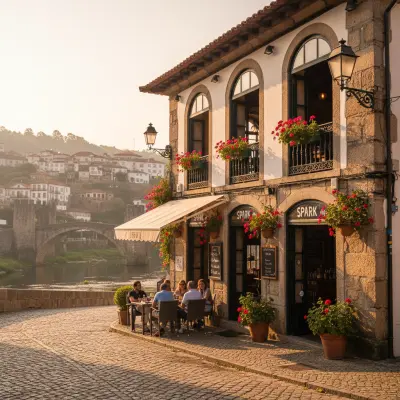
The ideal ritual: an early dinner, a walk to the bridge at sunset, and then a choice between Spark Bar for cocktails or Torre Jardim Bar for a more relaxed evening with a view. Amarante doesn't have frantic nightlife, and that's exactly the point. It's a town that works best in slow mode.
If you're planning your trip and trying to figure out how Amarante fits into a larger Northern Portugal itinerary, here's the essential: three nights minimum, a car if possible (though buses cover the basics), and a willingness to alternate between exploration and stillness. The North rewards those who aren't in a hurry.