24 Hours in Miranda do Douro: The Right Way
Miranda do Douro sits at the end of the road, perched above a vertiginous canyon, with its own language and the finest beef in Portugal. This 24-hour itinerary covers the top-hat cathedral, the Pauliteiros war dance, posta mirandesa, and a cruise through the International Douro.
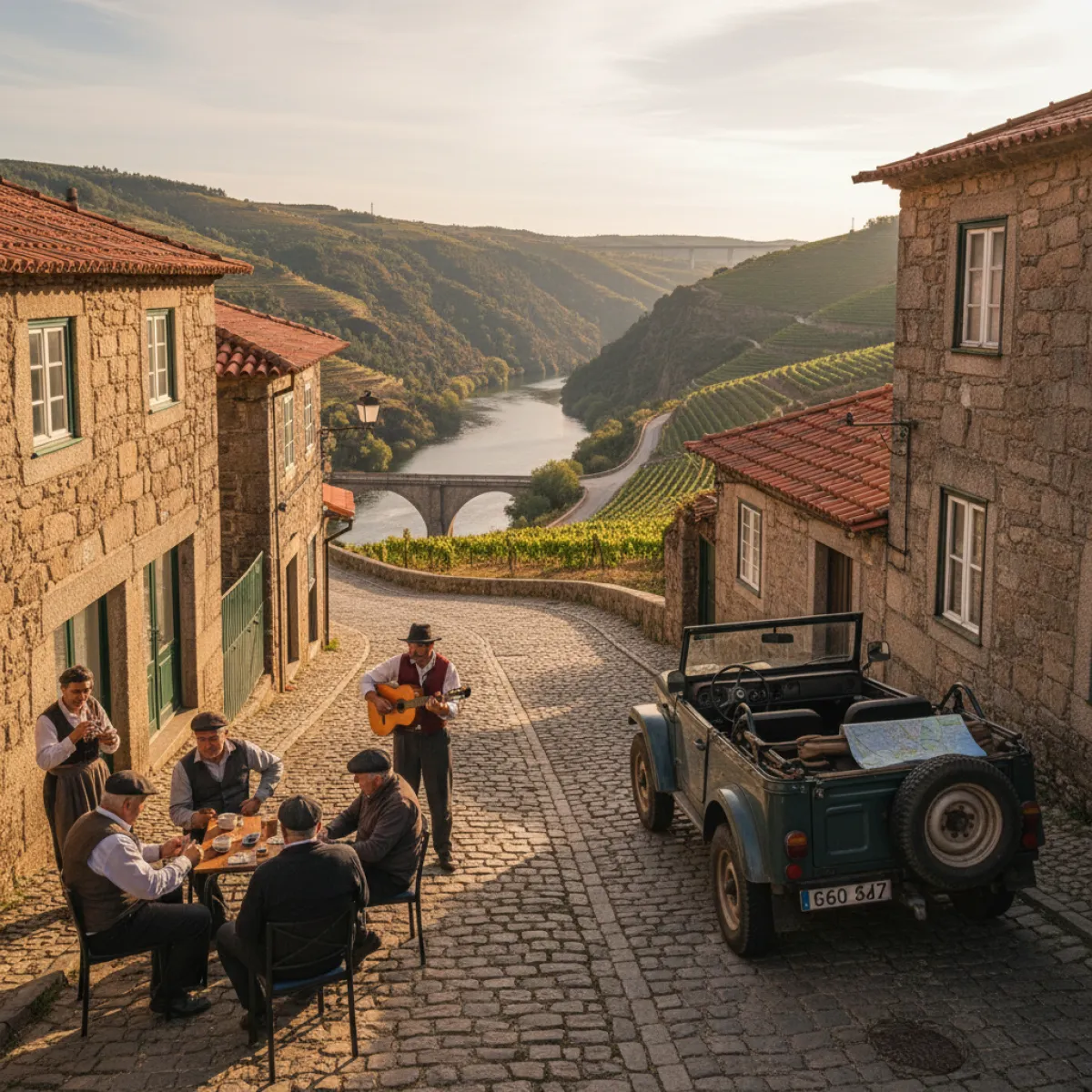
Miranda do Douro sits at the end of the road. Literally. The town perches on the edge of a dramatic canyon carved by the Douro River, right on the Spanish border, in a corner of northeastern Portugal that most travellers never reach. That's precisely what makes it worth the drive.
This is a place with its own language (Mirandese, officially recognised since 1999), its own war dance (the Pauliteiros), and its own breed of cattle that produces some of the finest beef on the Iberian Peninsula. Twenty-four hours isn't a lot, but spent right, it's enough to understand why Trás-os-Montes is Portugal's most underrated region. Here's how to do it.
Morning: The Cathedral, the Canyon, and Coffee
Start early. By 8am, the historic centre belongs to you. The Spanish day-trippers from Zamora won't arrive until mid-morning, and the streets have that quiet, unhurried quality of a town that takes its time waking up.
Head straight for the Sé Catedral. It's a 16th-century granite cathedral, sturdy and unadorned, which is essentially the architectural ethos of everything up here. Inside, the gilded altarpiece is genuinely impressive, but the star attraction is the Menino Jesus da Cartolinha: a figure of the infant Jesus wearing a top hat and formal suit, like an 18th-century gentleman in miniature. The explanations for the top hat vary depending on who you ask. In Miranda, this is how most stories work.
From the cathedral, walk down Rua da Costanilla to the canyon viewpoint. The drop is nearly vertical, and the Douro below looks like a silver thread. On a clear day, you can see into Spain. This is one of Portugal's most spectacular panoramas, and there's no ticket booth, no queue, no gift shop.
For breakfast, find a pastelaria in the centre. Miranda doesn't do artisan coffee or avocado toast, and that's a feature, not a bug. Short espresso at the counter, a flaky pastry, under two euros for both. Don't overthink it.
Mid-Morning: Mirandese and the Pauliteiros
Miranda do Douro is the capital of a language. Mirandese isn't a Portuguese dialect. It's a separate language with Astur-Leonese roots, and you'll spot it on bilingual signs, in village conversations, and occasionally in the market when older locals switch codes.
The best way to go deeper is the Mirandese language and Pauliteiros dance workshop. The Pauliteiros, for the uninitiated, are a percussion dance performed by eight men with two wooden sticks each, rhythmic and combative, like a choreographed medieval battle. It's classified as Intangible Cultural Heritage, and unlike many Portuguese folk traditions, it doesn't feel like a museum piece. Local groups take this seriously.
The workshop gives you the context most visitors miss: the structure of the steps, the meaning of each lhaço (every dance has its own name and narrative), and a few words of Mirandese that you'll butcher phonetically but that are worth the attempt.
Lunch: Posta Mirandesa, Non-Negotiable
There is exactly one thing to eat for lunch in Miranda do Douro, and it's posta mirandesa. This is thick-cut veal from the Mirandesa breed (indigenous, DOP-certified, grass-fed), grilled over charcoal, served rare with batata a murro (punched potatoes) and grelos (turnip greens). If you order it well-done, you're wasting one of the best cuts of beef on the Iberian Peninsula.
Restaurants in the historic centre all serve competent versions. Look for one that displays the meat in a glass-fronted fridge, and ask whether it's certified Mirandesa breed. Expect to pay 15 to 22 euros per portion, which is generous enough to share. Pair it with a red from Trás-os-Montes: full-bodied, direct, no sommelier subtlety required.
For a starter, order alheira. The Miranda version is denser and less greasy than the supermarket kind you might know. Fried with a fried egg and rice, it's the perfect preamble.
Afternoon: The International Douro and the River Cruise
After lunch, head down to the river. The Douro Internacional Natural Park is one of Portugal's most impressive protected areas: 200-metre cliffs, golden eagles, Egyptian vultures, and griffon vultures riding the thermals above the canyon.
Environmental river cruises depart from the quay near Miranda's dam. The trip takes about an hour and covers the most spectacular stretch of the river, between vertical rock walls that make the famous Douro wine region look tame. The boats are small and quiet, and guides point out the raptors nesting in the cliff faces. In peak season, book ahead. Check locally for schedules, as they vary with the season and water levels.
If you prefer solid ground, there are signposted walking trails along the canyon rim, varying in length. The most accessible starts near the dam area and follows the riverbank for two or three kilometres with unbroken views of the gorge. Bring water and proper shoes: the terrain is rocky and shade-free.
Late Afternoon: The Ruins and the Museum
Back in the centre, visit the Museu da Terra de Miranda, housed in the former town hall. The ethnographic collection is modest but genuine: Pauliteiros costumes, Mirandese bagpipe instruments, farming tools, and objects documenting a border culture that survived centuries of geographic isolation. Don't expect slick modern exhibition design. The simplicity is the point.
The medieval castle ruins near the cathedral deserve ten minutes. There isn't much left. A bombardment in 1762, during the Seven Years' War, destroyed most of it. But the position above the canyon is magnificent, and in the late afternoon light, the granite walls and the river far below make it worth the stop.
Dinner and Evening
For dinner, switch it up. If lunch was beef, try bacalhau à transmontana (salt cod with local cured ham and olive oil) or roast cabrito (kid goat) if it's available. Miranda's restaurants close early by Lisbon standards. Be seated by 9:30pm; by 10:30pm, many kitchens are done. Don't fight the rhythm.
After dinner, the evening in Miranda is short and simple. A drink at one of the cafés in the centre, a night walk to the canyon viewpoint (the gorge under moonlight is a different experience entirely), and back to the hotel.
Where to Sleep
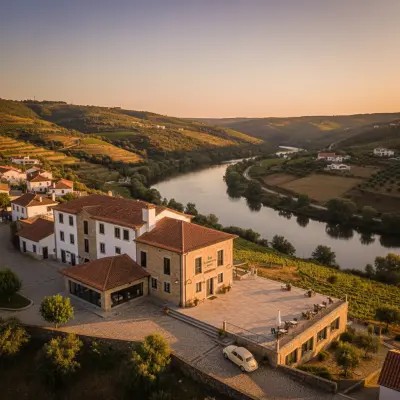
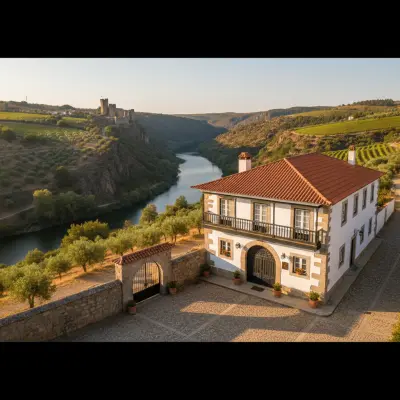
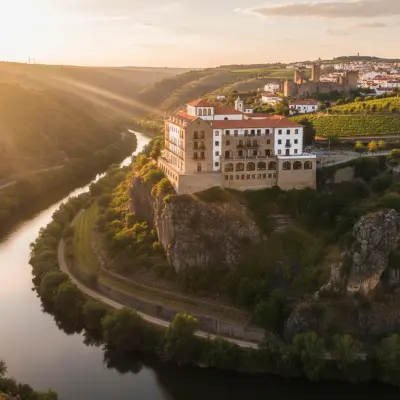
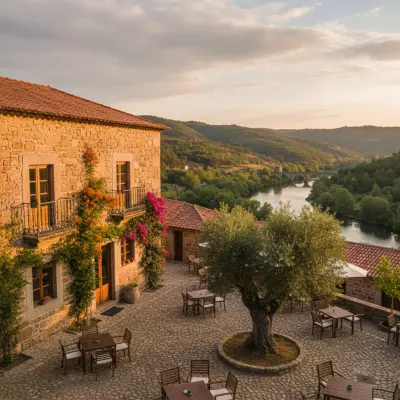
The Hotel Turismo Miranda is the classic choice: canyon views and an unbeatable location next to the historic centre. For something more functional with good parking, Hotel Mirafresno does the job well. Hotel D. João III is another solid option in the town centre. If you prefer rural tourism and want to wake up with the Douro at your doorstep, Puial de l Douro delivers exactly that, with its Mirandese name as a mark of authenticity.
Getting There and Practical Notes
Miranda do Douro is about 90 km from Bragança, on national roads throughout. From Lisbon, count on four and a half to five hours by car via the A1 and IP2. From Porto, about three and a half hours. There's no train and bus connections are infrequent. A car is essentially mandatory.
Bring cash. Some smaller restaurants and cafés don't take cards. There's an ATM in the centre, but it's just one, and on market days there can be a queue.
Spanish visitors from Zamora and Salamanca flood in on weekends, mostly to buy towels and bed linen (Miranda is, bizarrely, a cross-border textile shopping hub). If you want the town quieter, come midweek.
The best time to visit is May through October. In winter, Miranda is freezing. But if cold doesn't bother you, there's something special about seeing the canyon under fog, with temperatures below zero and nobody on the streets.
If You Have More Time
Miranda do Douro works well as a base for exploring the rest of Trás-os-Montes. To the north, Bragança and the Montesinho Natural Park are essential. Further west, Chaves has Roman thermal springs and a fascinating history. And if you want to head into the Barroso mountains, Montalegre deserves a full day.
But start with Miranda. Twenty-four hours, well spent, are enough to understand that the most authentic Portugal isn't on the coast. It's here, suspended above a canyon, speaking a language almost nobody knows.