Zambujeira do Mar: Five Day Trips Worth the Detour
Five destinations under an hour from Zambujeira do Mar, from cliff-nesting storks at Cabo Sardão to fresh fish in Porto Covo. How to get there, what to do, and why it's worth leaving the beach.
Zambujeira do Mar is the kind of place where doing nothing feels productive. The cliffs, the beach below, a cold beer at sunset, there goes Tuesday. No complaints. But after a couple of days, if you start recognizing every crack in the path down to the sand, it might be time to venture out. Fortunately, the Vicentine Coast doesn't run out of things to show you.
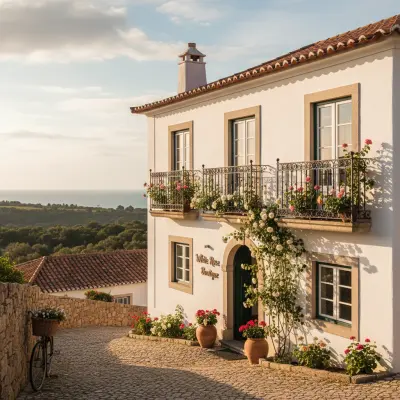
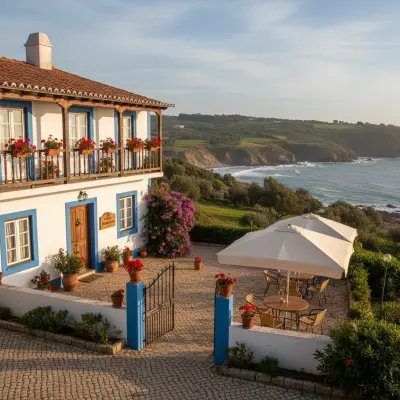
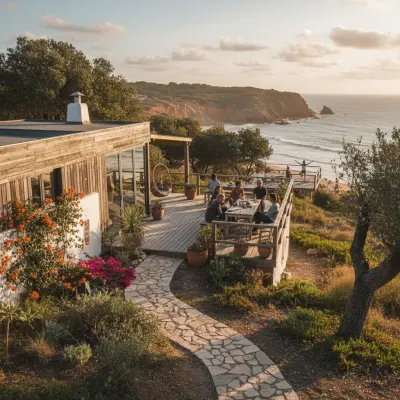
First, sort your base. If you want somewhere with character and a decent breakfast, White Rose Boutique is a solid pick. For something more budget-friendly and sociable, the kind of place where you swap trail tips over coffee, Hostel Nature works well and sits within easy reach of the village center. And for a dependable, no-fuss option, Alojamento Costa Alentejana ticks the practical boxes without pretending to be anything it isn't.
Cabo Sardão: Storks in All the Wrong Places
Start with the shortest trip and, arguably, the strangest. Cabo Sardão is about 8 kilometers north of Zambujeira, under 15 minutes by car, maybe 40 by bike, around two hours on foot via the Rota Vicentina trails.
What you'll find: a lighthouse built in 1915, sheer cliff faces dropping into the Atlantic, and white storks nesting on rocky outcrops above the waves. Storks typically nest on church towers, chimneys, rooftops, high, stable, inland places. At Cabo Sardão, they've chosen sea-battered rock ledges. Scientists don't fully understand why, which only makes it better.
The best time to see the nests is April through August, when chicks are growing. Bring binoculars if you have them, the nests sit on ledges below the cliff edge and can be hard to spot with the naked eye. Sunset here is worth lingering for, but there's no café or restaurant at the cape, bring your own supplies.
The road out is signposted but narrow. Cycling is perfectly doable, though the return climb at the end of the day can be punishing. My suggestion: go early morning, when the low-angled light hits the cliffs and you'll have the place to yourself.
Vila Nova de Milfontes: The Sociable Cousin
If Zambujeira is the introvert reading on the porch, Vila Nova de Milfontes is the cousin hosting dinner parties. It's the biggest town on this stretch of coast, with more restaurants, more bars, more buzz, without ever tipping into Algarve-level chaos.
It's about 20 kilometers north. By car, 25 minutes. Rede Expressos runs buses roughly three times a day, taking around 30 minutes, for approximately €5-8, check current schedules online or at the bus station, as they shift between summer and winter.
What to do? Start at Praia da Franquia, on the banks of the Mira River, calm water, no Atlantic swells, good for families and anyone who didn't pack a wetsuit. If you're in the mood for kayaking or stand-up paddleboarding, several operators work the river (expect around €15-20 per hour, but confirm locally). Praia do Farol, closer to the river mouth, has more wave action and is the better choice for actual swimming in the sea.
For lunch, Porto das Barcas, right by the fishing port, serves whatever came in that morning. Don't expect tablecloths, plastic chairs, grilled fish, house red. That's the deal, and it's a good one. The old town has narrow whitewashed streets, artisan shops, and pastry cafés worth a stop.
Milfontes also works as a jumping-off point for walking sections of the Rota Vicentina, but if you're planning a full-day hike, start early and pack food, options between stages are thin.
Porto Covo: Small, Stripped-Down, Straightforward
Porto Covo is further out, about 50 minutes by bus from Zambujeira, sometimes with a connection via Milfontes. By car, roughly 40 minutes via the N393 and IC4. Worth it? Yes, especially if you're looking for an even more compact, unpretentious version of the Alentejo coast.
The village itself is tiny, a central square, white houses, a handful of restaurants. The main beach, Praia Grande, sits in a sheltered bay reached by stairs cut into the cliff. The water is cold, as it is everywhere on this coast (even in August, expect 17-19°C), but the setting compensates.
The real draw, beyond the beaches, is gastronomic. Porto Covo is fishing territory, and if you want to understand the direct connection between fishing boat and plate, our guide to Porto Covo's fresh fish is worth reading before you go, it'll change how you read the menu.
Ilha do Pessegueiro, visible from the coast, adds another layer of interest, a small island with the ruins of an unfinished 16th-century fortress. You can't visit without a boat, but the view from the mainland lookout point is worth the detour.
Odeceixe: Where the River Meets the Sea
Unlike the previous options, Odeceixe lies to the south, technically in the Algarve, though nobody here would claim that identity. It's about 18 kilometers from Zambujeira, a 20-25 minute drive. Rede Expressos runs buses, but less frequently, check schedules before relying on it.
The main draw is the beach, and deservedly so. Praia de Odeceixe is one of those geological compositions that looks engineered: the Seixe River curves wide before meeting the ocean, creating a natural lagoon on one side and open Atlantic on the other. At low tide, the sand stretches out and rock pools appear, ideal for kids and explorers. At high tide, the beach narrows and waves pick up, better for surfing, less great for paddling.
Surf schools operate near the beach, with group lessons starting around €30-35 (check locally). The village above is pleasant for a stroll, traditional houses, steep streets, a couple of tascas serving reliable grilled fish. Don't expect fine dining, but you won't go hungry.
One important note: Odeceixe is the final stage of the Rota Vicentina's Fishermen's Trail from Zambujeira. That's roughly 18 km along coastal trails, towering cliffs, isolated beaches like Praia dos Alteirinhos and Praia do Carvalhal, and the small natural harbor at Azenha do Mar, where a couple of restaurants sit right on the water. The walk takes 5-6 hours. Demanding but not technical, trail shoes are enough.
Odemira: The Inland Detour Nobody Takes
Everyone who comes to the Vicentine Coast looks at the ocean. Almost nobody looks inland. Odemira, the municipal capital (of Portugal's largest municipality by area, incidentally), is about 30 minutes' drive into the interior and proof that the Alentejo hinterland has its own distinct character.
I won't oversell it: Odemira isn't a monumental town. No castle, no must-see museum. But it has a calm and an authenticity that the coast, in August, can no longer offer. The municipal market is worth visiting, especially in the morning, local fruit and vegetables, cheese, honey, cured meats. And if you're curious about shellfish with a backstory, read our piece on Odemira's percebes, the barnacles that people risk their lives to harvest. You'll understand why they cost what they cost.
Odemira is also the best option on a rainy or windy day, when the coast is unbearable, the interior is merely cool and quiet. A long lunch at a local tasca, a stroll by the river, and the day sorts itself out.
Practical Notes for All Trips
Having a car makes everything easier. The bus network exists but it's thin, few daily departures and seasonal variations. If you're car-free, renting one for a day or two is the smart move. There are agencies in Vila Nova de Milfontes and sometimes in Zambujeira during high season. Cycling works for Cabo Sardão, but the distances to Porto Covo or Odeceixe are serious.
Before heading out on any excursion, stop by Zambujeira's market to assemble a proper picnic, fruit, cheese, bread, maybe a tin of sardines. Many of the beaches and viewpoints have zero infrastructure, and the nearest restaurant could be kilometers away.
Sunscreen, water, and a light windbreaker are non-negotiable even on sunny days, the coastal wind is deceptive and you'll end up either burned or freezing before you notice. Water temperatures rarely exceed 19°C, even in peak summer. If you're not used to it, those first few seconds will be memorable.
One last thing: this entire coast falls within the Sudoeste Alentejano e Costa Vicentina Natural Park. That means rules, no cliff-top camping, no fires, no litter. This stretch of coast stays beautiful precisely because most people respect that. Be one of them.