Zambujeira do Mar: A Market Crawl Worth Your Morning
At Zambujeira do Mar's market, the fish still smells of the ocean and the alconcoras, honey-and-cinnamon biscuits from World War I, hide behind the jam jars. An honest guide to what's worth buying, tasting, and leaving on the counter.
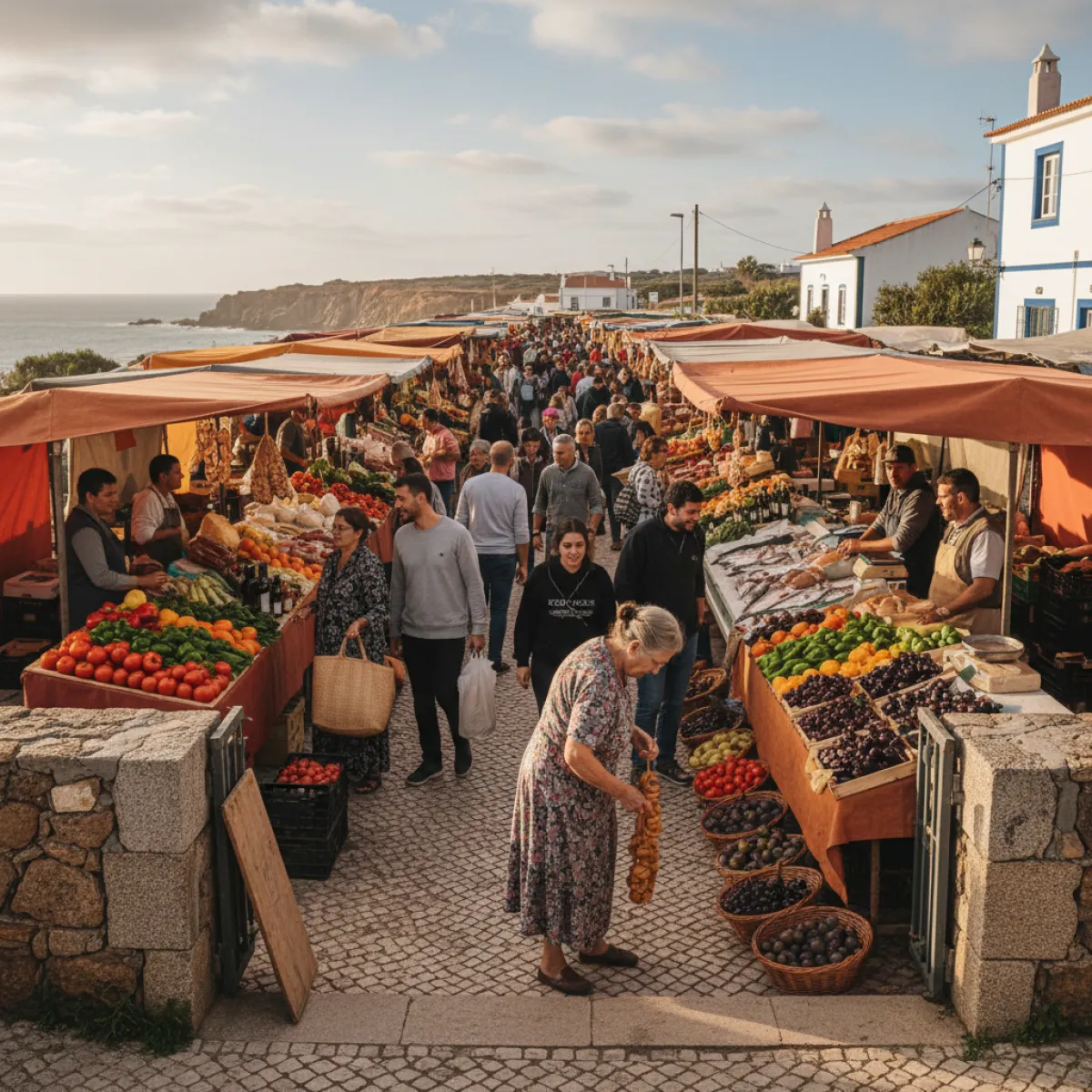
There's a simple rule for visiting Zambujeira do Mar: before the beach, the market. The Municipal Market, on Rua da Capela, opens at 9am and closes at 3pm, and it's shut on Saturdays, which is ironic given that's when most visitors actually have free time. But this market doesn't exist for visitors. It exists for the people who live here, and that's precisely why it's worth going.
The Municipal Market: Small, Honest, No Performance
Don't expect Mercado da Ribeira. Zambujeira's market is a modest affair, a handful of stalls, a smell of fresh fish that hits your nostrils before you walk through the door, and women selling whatever the land and sea provided that week. That's it. No artisanal labels pretending to be a lifestyle brand. No smoothie bowls.
The fish counter is where you spend your time. Sea bass, bream, sole, whatever turned up that morning. Don't ask for sea bass if there's no sea bass. Ask what's fresh, buy that, and move on. If you're lucky, you'll catch horse mackerel still with the metallic sheen of fish that left the water a few hours ago. It's the cheapest thing on the counter and, grilled with coarse salt and a thread of olive oil, it's probably the best meal you'll eat in Zambujeira, at a fraction of what you'd pay at a restaurant with a sea view.
If you're into shellfish, it's worth reading our guide on percebes in Odemira and the risk involved in harvesting them. It puts a different perspective on the price of those strange creatures at the stalls.
Cheese and Cured Meats: What to Take Home
The Alentejo makes serious cheese, and at the market you'll find local versions that never make it to Lisbon. Look for cured sheep's cheese, the kind that almost sticks to the roof of your mouth with a lingering aftertaste of dry grass. If they offer you a taste, accept. If they don't, ask. Nobody takes offence.
For cured meats, the Alentejo chouriço is what's worth buying. Dense, with paprika and garlic, made to be eaten sliced with bread and not much else. Skip the cheaper vacuum-packed linguiça with generic labels, you can find those at any supermarket in the country. If it's not locally produced, it's not worth the detour.
Honey is another smart purchase. The Odemira area produces quality honey, rosemary, mostly, and at the market there are usually jars from small producers. Check locally for prices, which vary with the season and the year's production.
Alconcoras: The Sweet Nobody Knows
If there's one thing you should buy at Zambujeira's market that you won't easily find elsewhere, it's alconcoras. They're dry biscuits made with honey, olive oil and cinnamon, a recipe dating back to World War I, when sugar was a luxury and creativity was a necessity. They're not pretty. They're not photogenic. They're dry, crumbly, and have that cinnamon flavour that lingers in your mouth long after you've finished.
The backstory is good: alconcoras were traditionally given out at Mastros das Promessas, promise masts, as thanks for the safe return of soldiers or the recovery of the sick. They last months without losing quality, which made sense in an age without refrigeration, and makes sense now for anyone who wants to bring something home in the car without worrying about it.
If you see them at a stall, buy them. If you don't see them, ask. Sometimes they're hidden behind the jams.
What Not to Buy
Let's be direct. There are things at the market, and in the shops around it, that are tourist traps. Here's what you can skip:
- "Artisanal" tinned fish with English labels, If the label looks designed for Instagram, it probably was. The good canned fish from the Alentejo coast doesn't need branding. Look for plain tins without pretension.
- Flavoured salt in decorative jars, It's salt with herbs. You can make the same thing at home for a fraction of the price.
- Generic cork souvenirs, Cork is a legitimate Portuguese product and there are excellent pieces out there, but the wallets and keychains you see in every village shop are mostly mass production disguised as craft. If you want serious cork, look in São Brás de Alportel or specialist shops.
Beyond the Market: Where to Spend the Rest of Your Morning
After the market, the morning is still young. The Costa Alentejana shop in the village sells regional products, wines, cured meats, jams, and is a solid alternative if you arrive on a day when the market is quiet. It's not the same as buying directly from a producer, but the selection is honest.
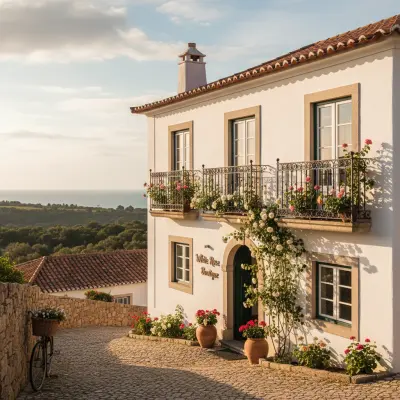
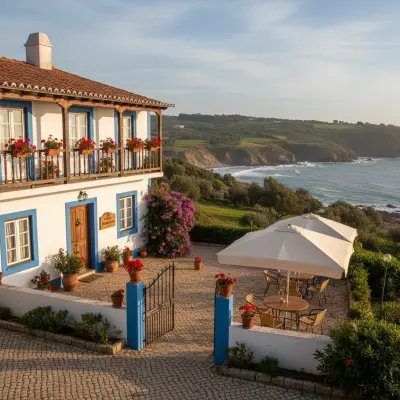
If you're staying more than one day, and you should, Zambujeira has accommodation for every budget. White Rose Boutique is a polished option for those who want comfort without flashiness. Alojamento Costa Alentejana is solid and practical. And for those travelling on a tighter budget, Hostel Nature sorts the question without fuss.
With fish bought in the morning, the best thing you can do is grill it on the terrace in the late afternoon. If you don't have grilling facilities, take the fish to a local restaurant and ask if they'll prepare it, many will for a small fee, especially outside peak season.
The Thursday Fair: More Variety, More Noise
Beyond the daily municipal market, on Thursdays Zambujeira comes alive with a fair that brings more stalls, more people and more variety. Seasonal fruit, vegetables, clothing, household items, the typical Portuguese mix that works so well. This is where you'll find summer tomatoes that actually taste of something, and cabbages that just came out of someone's garden.
Thursday morning is the best time to visit. Arrive early, between 9am and 10am, for the best selection and to avoid the sun that, in summer, becomes punishing from 11am onwards.
The Vicentine Coast on a Plate
What you buy at Zambujeira's market tells a story about this coast. The fish comes from cold Atlantic waters, this isn't the Mediterranean. The olive oil comes from trees that withstand the coastal wind. The honey tastes of the scrubland that covers the cliffs.
If you want to go deeper into the region's food culture, our guide on fresh fish in Porto Covo is a good companion piece, Porto Covo is less than 30 minutes away with an equally strong fishing tradition. And for those who want to combine a market morning with late-day photography, the guide to the blue hour at the Mira Estuary gives precise directions on where to be and when.
Zambujeira's market won't change your life. It's not a transformative experience or a gastronomic epiphany. It's simply a place where real people sell real food, where the fish still smells of the sea and the cheese bears the mark of whoever made it. In a world full of markets reinvented as tourist attractions, there's something reassuring about a place that's just what it is. Show up in the morning, buy what looks good, and leave the rest alone.