Seia Beyond the Summit: The Side Tourists Miss
Most visitors use Seia as a pit stop before driving up to Torre. That's a mistake. Between the Museu do Pão, Confeitaria Mimosa, and streets that aren't in any guidebook, there's a whole town waiting for anyone willing to give it more than three hours.
Seia has a branding problem. Everyone knows it as the gateway to Serra da Estrela, the mandatory pit stop before driving up to Torre, buying cheese on the roadside, and taking a snow selfie. Then they leave. It's like flying to New York and only seeing JFK.
I get it. The mountain range is spectacular and Torre has its appeal. But Seia itself, the town, the streets, the people who live there year-round and not just when it snows, deserves more than being a waypoint. It deserves you parking the car, turning off the GPS, and losing a whole morning with no fixed destination.
A town that wakes up early
Seia is not a nighttime town. It's a morning town. By half seven, the bakeries are already running and the smell of fresh bread slips through half-open doors. The old centre has that productive silence you find in interior Portuguese towns, it's not abandonment, it's simply people already at work while tourists are still sleeping at the hotel.
The best starting point is around Praça da República. It's not a grand square, it's modest, functional, with a café or two and old men sitting on benches. But this is where you understand Seia: a town that doesn't try to impress, that simply exists with the quiet dignity of a place that has weathered many winters.
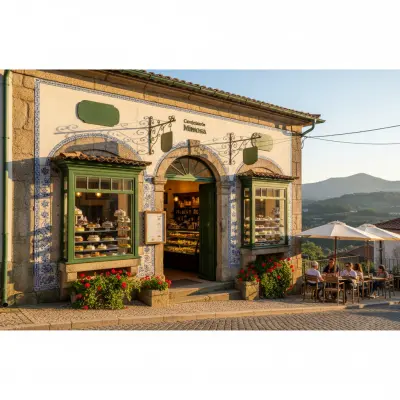
Before you do anything else, go to Confeitaria Mimosa. This is non-negotiable. It's the kind of pastry shop that was there before you were born and will outlast all of us. The display case tells you everything, traditional dry cakes, honest pastéis de nata, and that old-school provincial café atmosphere that modern coffee chains try to replicate and never quite manage. Order a coffee and whatever catches your eye. You don't need a specific recommendation, it's all solid.
The museum you didn't expect to like
I'll be honest: when someone told me "you have to visit the bread museum in Seia," I raised an eyebrow. A museum about bread? Sounds like a tourist trap. I was completely wrong.
The Museu do Pão is, without exaggeration, one of the best thematic museums I've visited in Portugal. Housed in a converted industrial building, it traces the history of bread from prehistory to the present, but it does so with intelligence, without being patronizing. There are sections on the religious dimension of bread, on hunger and scarcity, on milling techniques. And then, at the end, there's an actual working bakery where you can buy freshly made bread. It's the kind of museum that works for cynical adults and restless children, which is rare.
Set aside at least ninety minutes. Some people rush through in forty, but those are the same people who skim restaurant menus and then complain the food wasn't what they expected.
The centre that's not in the guidebooks
After the museum, head back to the centre. On foot, preferably. Seia is small enough to walk across and big enough to have surprises.
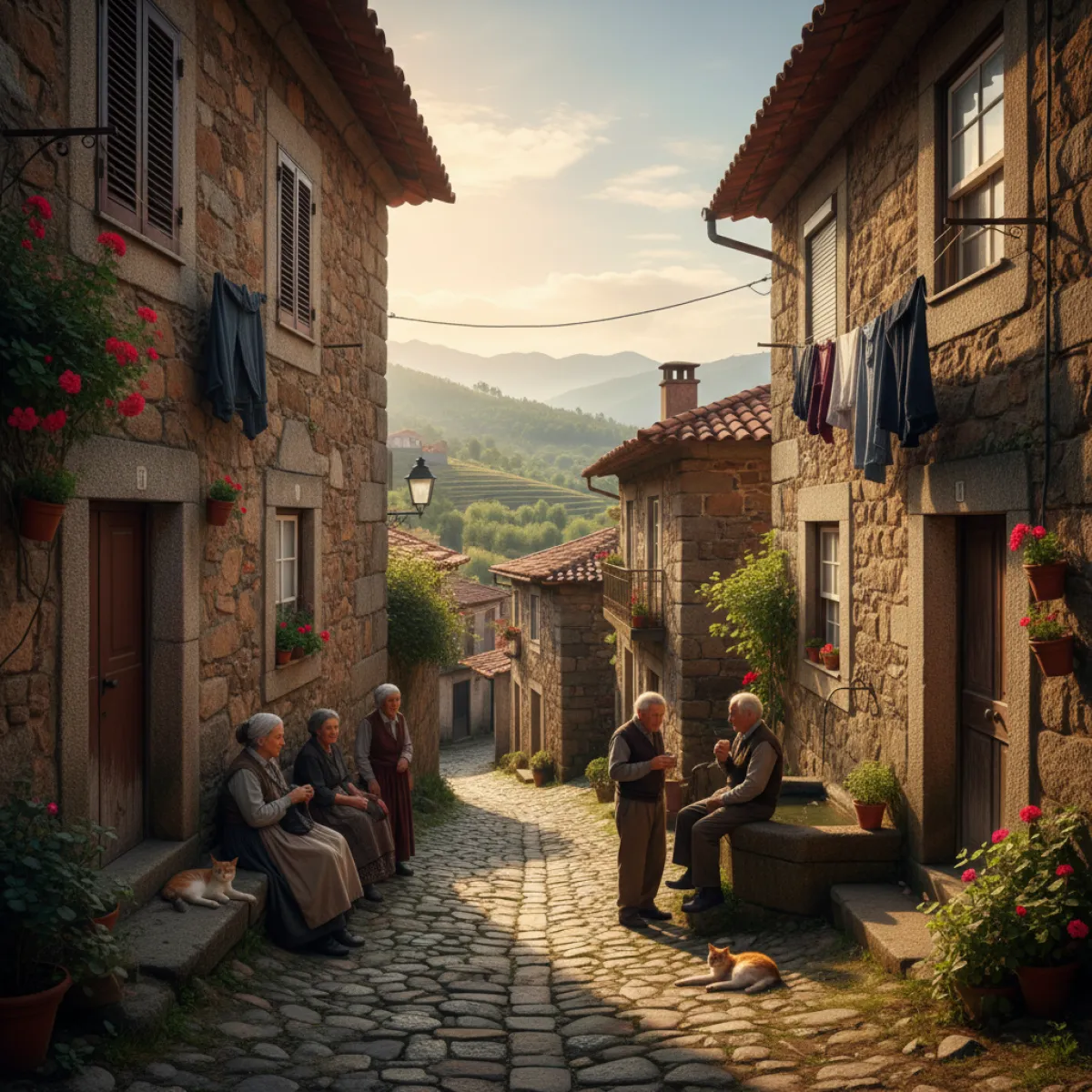
The Igreja Matriz is the reference point, it's not a cathedral, it won't appear on any "unmissable churches of Portugal" list, but it has the solidity of interior churches that were built to last centuries, not to attract photographers. Around it, the streets follow the irregular pattern of people who built where they could, not where an urban planner told them to. Crumbling facades sit next to restored houses, flower pots crowd the windowsills, cats sleep on stone walls.
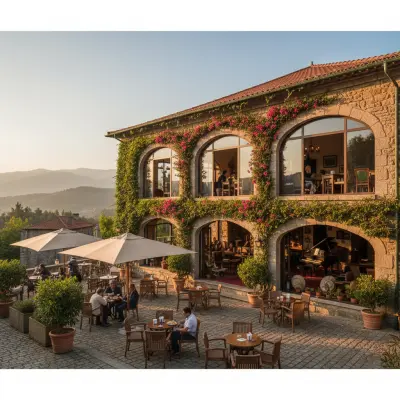
Stop by Café Concerto, it's the kind of space that gives a town personality. In a place like Seia, where the cultural offering could easily be zero, having a venue that combines coffee with cultural programming is almost an act of defiance. Check what's on when you visit, it might be live music, an exhibition, or simply a good spot to sit and watch the town go by.
What to eat (seriously)
You're in Serra da Estrela. The food here isn't subtle, it's direct, caloric, built for people who've spent the day hiking in the cold. And there's absolutely nothing wrong with that.
Serra da Estrela cheese is the obvious one, and yes, you should buy some. But don't buy it from a guy on the roadside with a plastic table and a sun umbrella. Look for certified DOP producers. The price is higher, a small wheel can cost €15-20, but the difference between proper artisanal cured cheese and those industrial blocks sold as "serra style" is the difference between wine and grape juice.
For meals, look for restaurants serving cabrito assado (roast kid goat), arroz de carqueja (rice with gorse herb), or migas. These are regional dishes, hearty and honest. A full lunch with house wine rarely exceeds €15-20 per person. Don't expect pretty plating, expect generous portions and real flavour.
A note on requeijão: eat it fresh, with honey. Preferably at breakfast. It's one of those simple combinations that makes you wonder why you overcomplicate everything in your life.
The mountain, but differently
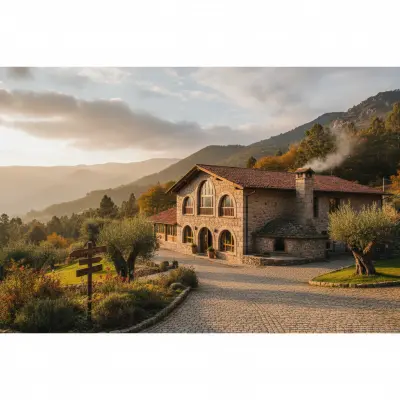
Yes, I know I said Seia isn't just about the mountain. But it would be dishonest to ignore it entirely, because the serra is the context in which Seia exists. The trick is to approach it differently.
Instead of the usual dash to Torre, chaotic parking, selfies, drive back down, consider the valley hikes. The walking trails around Seia are excellent and, outside August, you'll find more goats than tourists. The Zêzere Glacial Valley is accessible from Manteigas, less than half an hour away, and it's one of the most striking landscapes in the country. If you want to explore that area, our guide to Manteigas and the snow wells trail is a good starting point.
For those looking to extend the trip, Covilhã is a short drive away and serves as a base for exploring the Schist Villages, a network of restored mountain hamlets that are deep Portugal at its finest. There's a one-day road trip itinerary from Covilhã worth following.
And if you're visiting between March and April, make a detour to Fundão for cherry blossom season. It's not Japan, it doesn't have the scale or the spectacle, but it has a quiet, intense beauty that doesn't need a hashtag to justify the trip. Our guide to cherry blossoms in Fundão has all the details.
When to go and how to get there
Seia has no train station. Full stop. If you don't have a car, there are Rede Expressos buses from Lisbon and Coimbra, but the schedules are limited and the journey is long. The reality is that to explore this part of Portugal with any freedom, you need a car. From Lisbon it's about three hours via the A1 then IP5/A25. From Porto, two and a half hours.
As for timing: winter (December-February) is for those who want proper cold, occasional snow, and the serra at its most dramatic. Spring (March-May) is probably the best time, mild temperatures, green mountains, fewer tourists. Summer brings heat and crowds, but the nights are cool. Autumn has the colours, the wild mushrooms, and the productive melancholy of a town preparing for winter.
Avoid bank holiday weekends and Christmas/New Year if you want the serra to yourself. During the week, even in high season, Seia is calm.
The point I'm making
Seia doesn't need to be discovered. It's been there for centuries. What it needs is for people to give it more than the three hours between arriving and driving up to Torre. It needs a slow morning at Confeitaria Mimosa, an afternoon at the Museu do Pão, an unhurried walk through streets that aren't in any guidebook.
It's not a town that will change your life. But it's an honest town, with good food, real people, and a spectacular mountain range as its backdrop. Sometimes, that's exactly enough.