Aveiro's Coast: Where to Surf, Watch, and Unwind
Praia da Barra delivers consistent waves, affordable schools, and zero lineup crowds. A practical guide to surfing, learning, or simply watching the sea in Aveiro, with tips on where to stay and what to eat after your session.
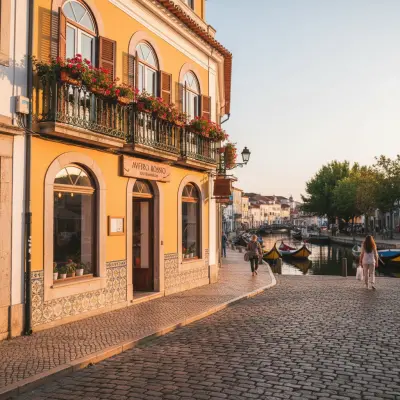
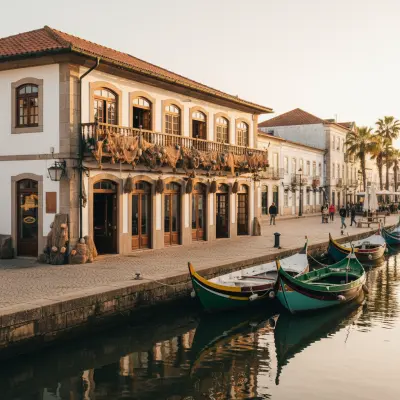
Most people come to Aveiro for the canals and the pastel-coloured boats. Fair enough. But if you stay in the lagoon, you're missing half the story. A few kilometres from the centre, Aveiro's Atlantic coast delivers consistent waves, wide beaches, and a surf culture that's growing without the circus of Peniche or Ericeira. Here, the ocean still belongs to the locals: fishermen at Praia da Barra and surfers who prefer cold water and empty lineups.
Praia da Barra: ground zero
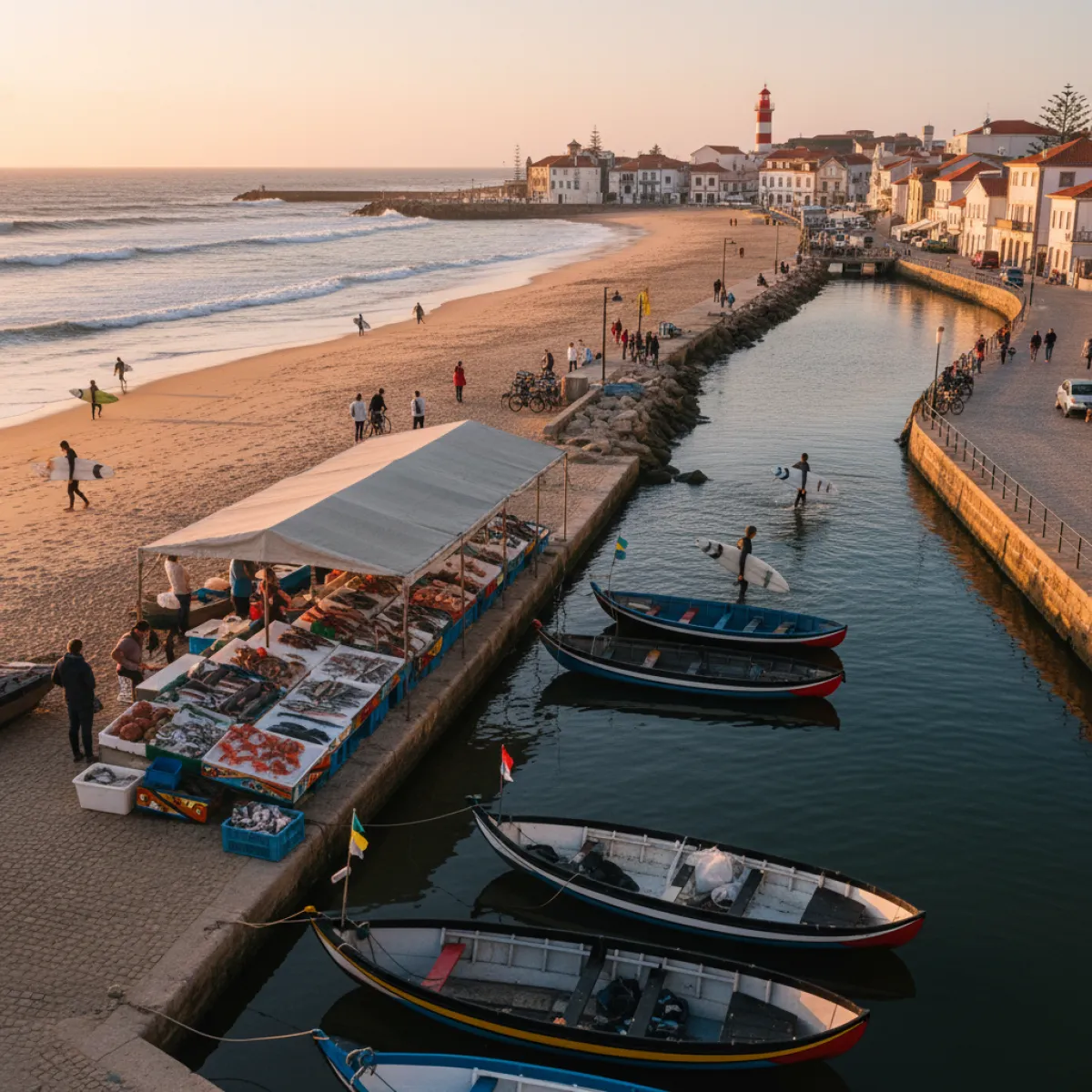
Praia da Barra is where it starts. The lighthouse, at 62 metres, is the tallest on mainland Portugal, and serves as a visual marker from the water. The beach stretches north and south with sandbars that shift with tides and the harbour's currents. In winter, North Atlantic swell delivers two-to-three-metre waves with regularity. In summer, conditions mellow out and become ideal for learners.
If you've never stood on a board, Barra is one of the best spots on the central coast to start. Our guide to surf lessons at Praia da Barra covers the essentials: local schools operate year-round, equipment is included, and group sizes stay small. Expect to pay between €30 and €45 for a two-hour group lesson. The sandy bottom forgives mistakes, and lateral currents are rarely an issue during the warmer months.
Costa Nova and São Jacinto: the less obvious options
Costa Nova, just south of Barra, is better known for its striped fishermen's houses than for its waves. But it works. The beach break is similar, the water is the same, and you'll share it with fewer people. Parking fills up on summer weekends, but midweek it's calm.
São Jacinto, on the other side of the lagoon, is a different proposition. You get there by ferry from Forte da Barra pier (ten minutes, roughly two euros). The beach at São Jacinto is wild, long, and without significant infrastructure. It's not for beginners: currents can be strong and there's no lifeguard outside summer. But if you surf with some experience and want empty peaks, it's a real option.
For those who just want to watch
You don't need to get wet to enjoy the sea in Aveiro. The boardwalk at Barra, connecting the lighthouse to the beach, offers a panoramic view of the lineup. In the late afternoon, especially between October and March, the sun sets behind the waves and the show is free. Bring a jacket: the north wind cuts.
In summer, the south jetty at Barra is another popular viewing spot. Rod fishermen, families, and curious onlookers mix while sets break at the harbour entrance. Pay attention to the flags: when it's red, the sea means business.
Before and after the water
Aveiro has the logistical advantage of being a small city with everything within reach. From the train station to Praia da Barra is about ten kilometres, easily covered by municipal bus (departing from Rua de Viseu, check schedules locally) or by bike along the flat cycle paths that cross the city.
To stay close to the action, Cais do Pescador is a smart choice. It sits by the lagoon with easy access to the Barra road. If you prefer the centre and proximity to restaurants, Aveiro Rossio Bed & Breakfast puts you five minutes on foot from the fish market and the Rossio, the main square. For more comfort, Welcome In Aveiro has an equally central location.
Eating after surf
You'll come out of the water hungry, guaranteed. In Aveiro, the answer is fish. Bacalhau is king, but fried or stewed eel is the true regional dish. Look around the Mercado do Peixe area or the Praça do Peixe, right by the canals. A plate of grilled catch-of-the-day rarely exceeds €12 to €15. Ovos moles for dessert are non-negotiable.
At Barra and Costa Nova, the beach restaurants serve grilled fish and shellfish at slightly inflated summer prices, but quality is good. Grilled sardines in June, razor clams year-round.
When to go
For bigger surf: October to March. Water drops to 13°C in winter; a 4/3 wetsuit is mandatory. For learning: June to September, when the sea calms down and water rises to 18-19°C (a 3/2 wetsuit is still advisable).
For watching: autumn is best. Fewer tourists, more consistent swell, golden late-afternoon light.
Aveiro beyond the wave
If the ocean isn't cooperating, or you need a rest day, Aveiro more than compensates. The Art Nouveau and Beira Mar walking tour shows you the city's other face: early 20th-century tiled facades, the old ceramics factory, and the residential neighbourhood where locals actually live.
And if Aveiro leaves you wanting more, the central coast has plenty to explore. Coimbra is 50 minutes by train, and worth the trip for the street art circuit in the Alta district. For those planning more days in the region, our week-long itinerary through central Portugal includes stops that pair well with a couple of surf days in Aveiro.
The essentials, no fluff
- Best spot for beginners: Praia da Barra, mid-to-low tide, light easterly or no wind
- Best spot for intermediates: Costa Nova (less crowd) or São Jacinto (if you're comfortable with currents)
- Equipment: board and wetsuit rental from €15-20 per session at Barra schools
- Access: municipal bus from Aveiro centre or bicycle (10 km, flat)
- Water temperature: 13-14°C in winter, 18-19°C in summer
- Best season to learn: June to September
- Best season for waves: October to March
Aveiro isn't Ericeira or Peniche. It doesn't have the fame, the competitions, or the queues of Australian surfers outside the schools. And that's exactly why it works. The waves are there, the coast is generous, and when you get out of the water you've got a real city waiting for you, not a surf resort. If you came to Portugal for the ocean, don't stop in Lisbon. Keep heading north.