Aveiro Walking Tour: Art Nouveau and the Beira Mar District
Skip the canals for a moment. This walking tour reveals the Aveiro of wealthy returning emigrants and salt-dusted fishermen. Learn why you should start your walk in Rossio and which tiles hide the city's best stories.
Forget the Boat for Two Hours: Discovering Aveiro on Foot
Aveiro suffers from an excess of river-based marketing. Almost everyone who arrives in the city is pushed onto a moliceiro boat before they even get a feel for the ground. But if you truly want to understand how this city evolved from a decaying salt port into a display of 19th-century bourgeois ostentation, you have to use your legs. The moliceiro is the postcard, but the pavement is the book. My recommendation is clear: reserve your morning for walking. The sunlight hitting the Rossio tiles between 10:00 AM and 12:00 PM is unique, and the crowds of tourists are substantially thinner than in the afternoon.
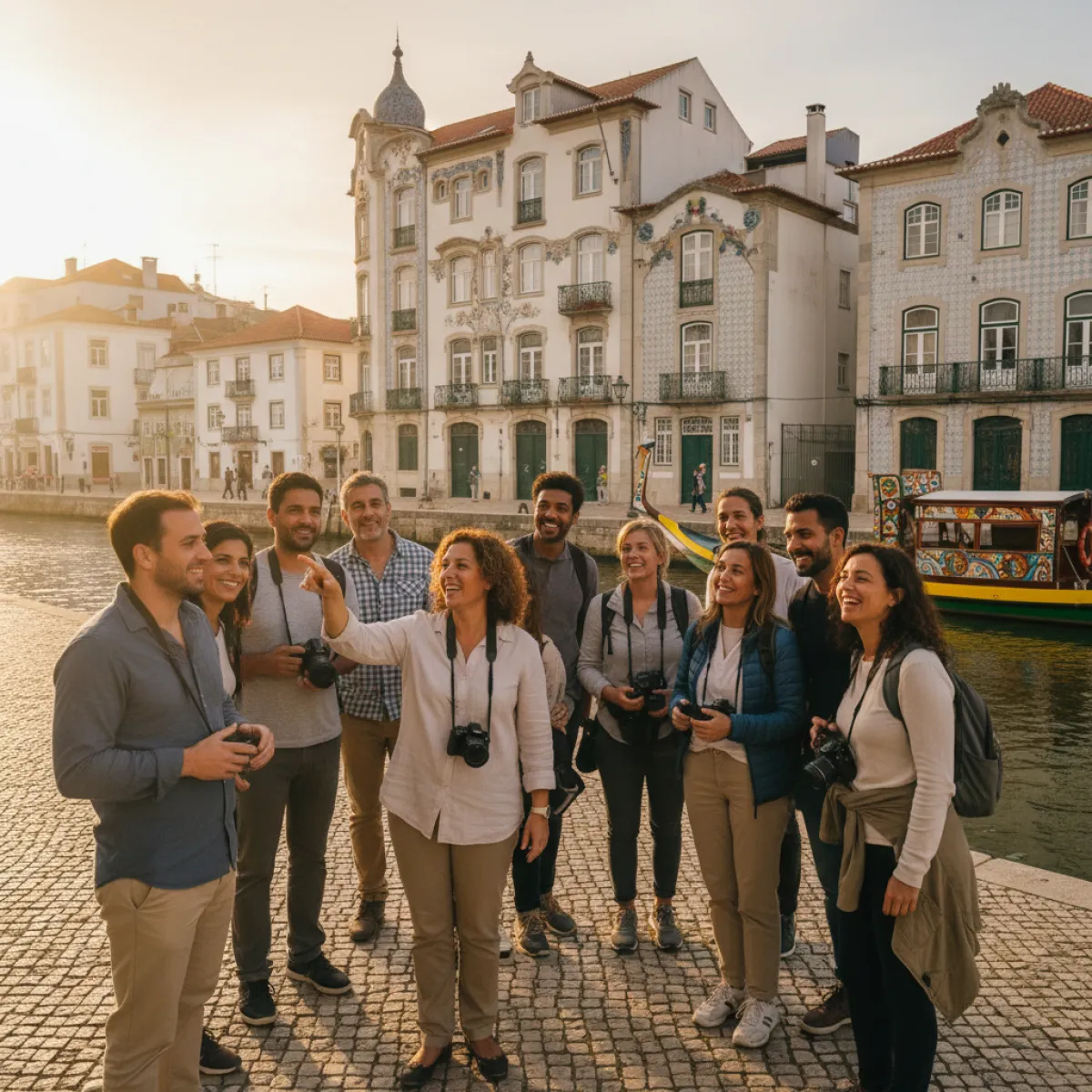
The ideal starting point is the Rossio district, right next to the Aveiro Rossio Bed & Breakfast. This is where the city shows its most polished and affluent face. The team at Follow Me Aveiro, a local operator that knows every corner of this area, organizes a route that avoids the obvious cliches. Their office is located on Rua Dr. Barbosa de Magalhães, and that is typically where the tour begins.
Bourgeois Ambition and Art Nouveau Details
The first step of this tour is a deep dive into Art Nouveau. To the untrained eye, these are just pretty, flower-adorned houses. But your guide will explain the context: the money came from Brazil. It was the emigrants who returned wealthy, the so-called "Brasileiros", who wanted to showcase their status through this organic, curvilinear architecture. The Major Pessoa House (now the Art Nouveau Museum) is the highlight. Pay attention to the wrought ironwork, the lotus flower motifs, and the feminine faces carved into the stone. What I enjoy most about this building isn't just the museum itself, but the Tea House on the ground floor. It is an excellent spot for a strategic break later on.
As you walk through Rossio, the guide points out details that are often missed by those on a motorboat: the way the tiles reflect the light from the lagoon and how the facades lean slightly over the centuries due to the sandy soil. This is the Aveiro that doesn't fit into a quick social media snapshot.
From Luxury to Salt: The Beira Mar District
After the elegance of Rossio, the tour crosses the bridge and enters a completely different world: the Beira Mar district. Here, the scent changes. The perfume of the bourgeoisie fades, replaced by the smell of the tide, fish, and salt. This is the true heart of the city. The streets become narrow, almost labyrinthine, designed to cut the wind blowing off the ria. If you are looking for a stay that captures this spirit, Cais do Pescador is located in this area and serves as an excellent example of how old storage houses have been restored.
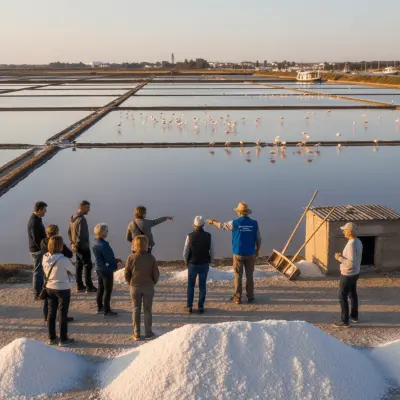
In Beira Mar, the mandatory stop is the Fish Market (Praça do Peixe). In the morning, the activity is genuine. It isn't for tourists; it is locals buying what the lagoon and sea provided that day. Your guide will talk about the history of cod, Aveiro was, and is, central to this industry, and how the salt from the nearby pans was the "white gold" that sustained it all. The walk continues toward the São Roque Canal, where the footbridges offer a view of the salt flats in the distance. If you have time at the end of the day, I highly recommend watching the sunset at the salt pans, but on foot, among the alleys of Beira Mar, the feeling of authenticity is much stronger.
Expert Tips: Ovos Moles and Practical Gear
A common mistake: buying *ovos moles* (the local egg-yolk sweets) at the first street stall you see. Your guide will certainly lead you to a traditional pastry shop, but here is my personal advice: look for Maria da Apresentação or Oficina do Doce. The perfect *ovo mole* must have a crisp wafer shell and a silky, rich yolk filling that doesn't taste overly of sugar. It’s part of the walking experience: stop on a corner, eat one (or three), and keep going.
As for logistics, don't take risks. The Portuguese pavement (calçada) in Aveiro can be treacherous when damp, and it almost always is, given the proximity to the water. Wear sneakers with good grip. Forget flat-soled sandals or heels. This tour is meant to be lived without haste, observing the details of the wooden doors and the flower pots on the Beira Mar windowsills.
For those planning a longer journey through central Portugal, this Aveiro tour fits perfectly into The Measured Pace: A Seven-Day Passage from Lisbon to Porto via the Ria guide. It provides the ideal contrast between the energy of Porto and the quietude of the Beira regions.
Practical Information
- Provider: Follow Me Aveiro
- Contact: +351 964 451 513 | geral@followmeaveiro.pt
- Price: €15.00 per person (group tour).
- Meeting Point: Rua Dr. Barbosa de Magalhães, 15 (near the Art Nouveau Museum).
- Duration: Approximately 2 hours.
At the end of the route, if you are feeling tired, Welcome In Aveiro is a great place to rest and process all the historical information you've gathered. Walking through Aveiro isn't just about seeing monuments; it’s about understanding the symbiotic relationship between land and water through its architecture and its people.