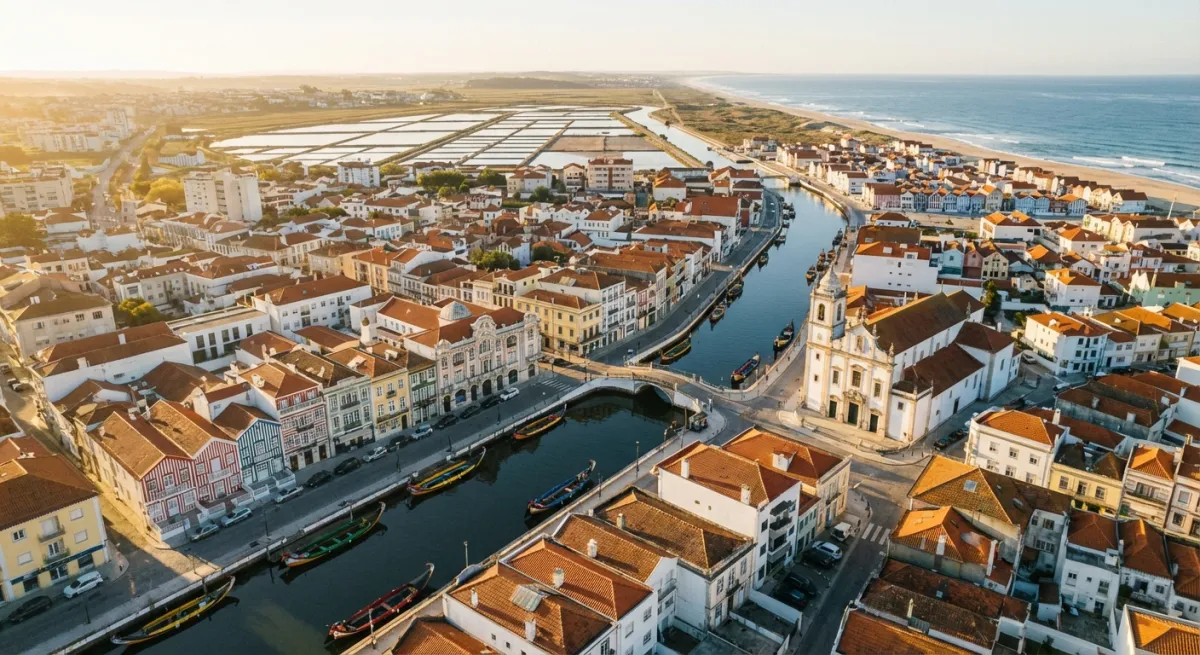
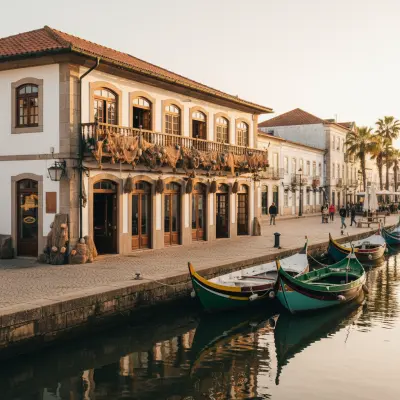
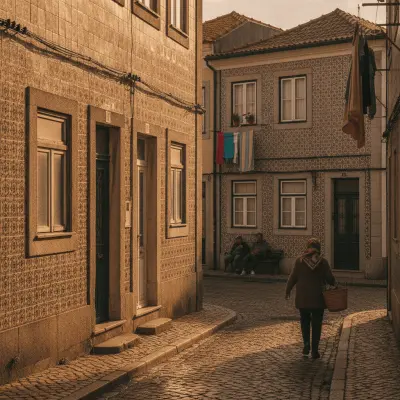
Aveiro is a city you can walk in two or three hours, but one that asks for at least two days. Not because it's large, but because the pace here is different. The Ria's channels cut through the centre with a stillness that invites you to slow down, and the light hitting the water in the late afternoon along Canal de São Roque is the kind of thing you don't rush.
A city between the lagoon and the sea
Central Aveiro is organised around its canals. The Canal Central, lined with the Art Nouveau buildings that give the city its visual identity, is the obvious starting point. Look up: the facades along Rua João Mendonça and Rua de Coimbra have wrought-iron and tile details that tell the story of the salt-trading bourgeoisie from the early 1900s. The Museu Arte Nova, housed in the former Cooperativa Agrícola building right there, helps put it all in context.
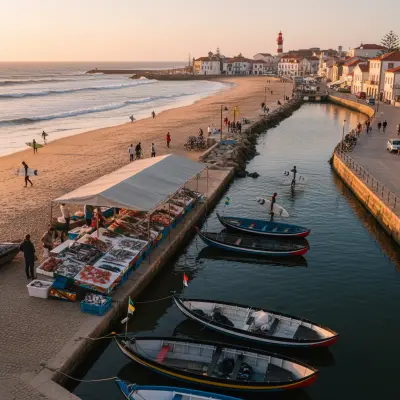
Across the canal, the Mercado do Peixe runs every morning and is where you realise Aveiro still lives from the sea. Eels, sole, and sea bass come in fresh from the Ria. If you'd rather eat than cook, the Beira Mar neighbourhood, the old fishermen's quarter, has unpretentious spots where the food is honest and good.
Ovos moles and beyond
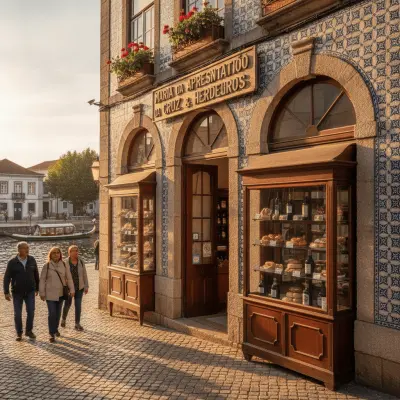
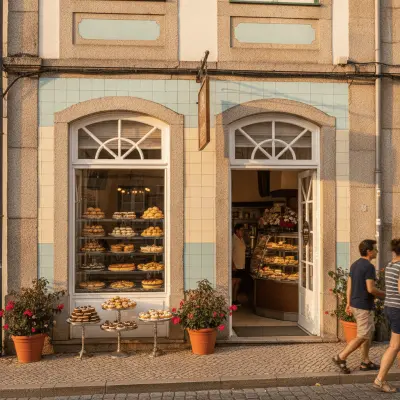
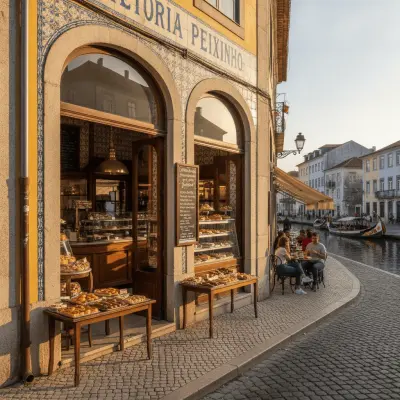
You don't leave Aveiro without trying ovos moles. It's one of the few Portuguese sweets with Protected Geographical Indication, made from egg yolks and sugar, shaped into shells and fish inside thin communion wafer. Confeitaria Peixinho on Rua de Coimbra and Maria da Apresentação da Cruz are the references. But ovos moles also show up as cake fillings and in liqueur form, worth exploring.
When to go and how long to stay
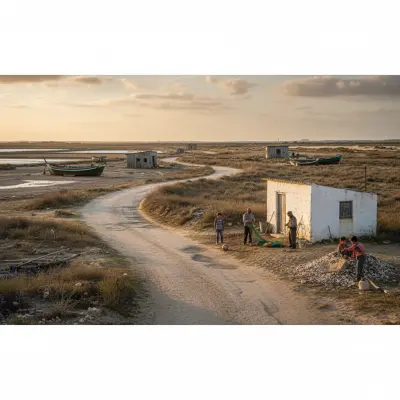
Spring is ideal: the beaches at Costa Nova and Barra already have sun but not yet crowds, and the Ria is at its best. Two days are enough for the centre, the canals, and a trip to Costa Nova with its candy-striped wooden houses. Three days let you add the salt pans at Santiago da Fonte and a moliceiro boat ride, touristy, yes, but the best way to see the Ria up close.
Aveiro works well as a base for exploring central Portugal. Coimbra is 50 minutes by train, the Vista Alegre porcelain factory 15 minutes by car. And in the evening, the centre has enough life, Praça do Peixe fills up, especially when the University is in session.