Valença Fortress: What to See Inside the Walled Town
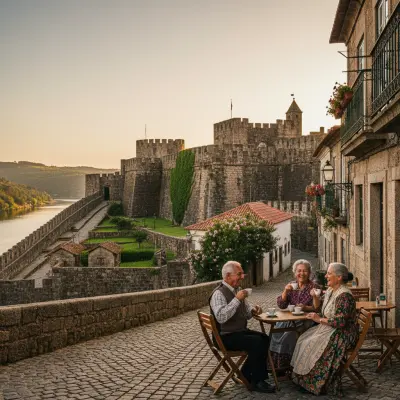
Two fortresses connected by a bridge, 13 bastions aimed at Spain, and the best linen tablecloth you'll buy this year. Valença deserves more than a thirty-minute stop. Here's how to do it properly.
Read
Curated itineraries, local tips and inspiration for your next adventure in Portugal.
Two fortresses connected by a bridge, 13 bastions aimed at Spain, and the best linen tablecloth you'll buy this year. Valença deserves more than a thirty-minute stop. Here's how to do it properly.
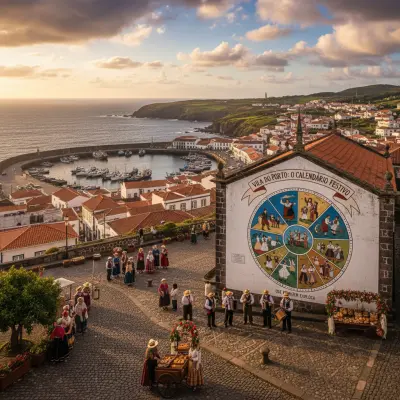
Santa Maria keeps a festival calendar stretching from free Holy Spirit soup in May to the Maré de Agosto music festival on Praia Formosa. This guide decodes what no official poster explains: when to go, what to expect, and why an island of five thousand people celebrates like a capital city.
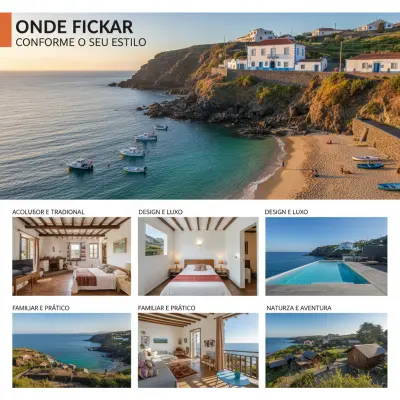
Santa Maria has five zones with radically different personalities, and where you stay changes everything. From São Lourenço, with terraced vineyards above the sea, to Praia Formosa, the Azores' only proper sand beach, each corner of the island offers a different experience.
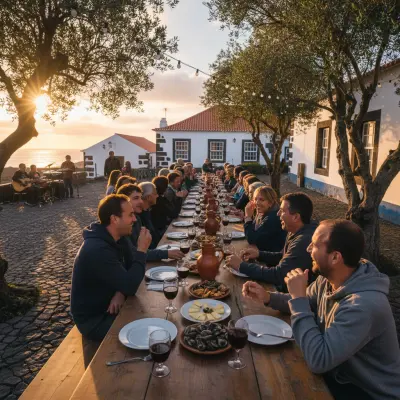
On Santa Maria, vinho de cheiro is made from a grape banned for commercial production in the EU and exists only for home consumption. Pair it with grilled limpets, fried alheira, and a night walk along Vila do Porto's harbour for a proper Azorean evening.
Santa Maria is the cheapest island in the Azores, and Vila do Porto has none of Ponta Delgada's tourist markup. With golden sand beaches, free trails, and daily specials under 9 euros, you can explore the whole island on 20 to 40 euros a day.
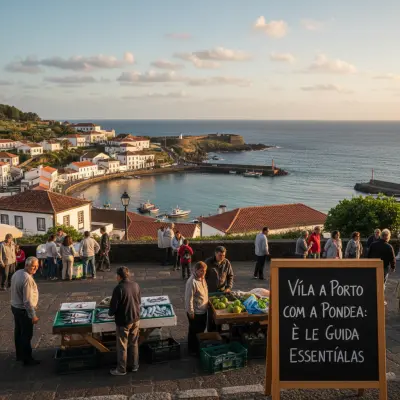
Everyone heads straight for São Lourenço. Meanwhile, Vila do Porto holds fossils 10 million years old, a surreal red desert, and the oldest settlement in the Azores. The most forgotten island in the archipelago is, for that very reason, the most interesting.
In May, the Azores have whales in the ocean, pineapples in the Fajã de Baixo greenhouses, and a green so intense no camera can reproduce it. It's the perfect window: before August crowds, with fair prices and daylight stretching to nearly 9pm.
In May, Lisbon delivers long days at 24°C, queue-free museums and bifanas for under five euros. It's the month when weather, prices and the city itself hit perfect balance, before the summer crowds arrive.
Most visitors climb Silves Castle and leave. The historic centre below, with its Gothic cathedral, local market, and Moorish street plan, is where the city actually gets interesting. A walking route with stops for bifanas and fresh-squeezed orange juice.
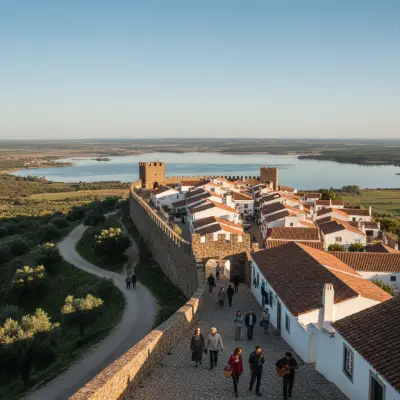
Monsaraz fits in a twenty-minute walk, they say. But anyone who sticks to Rua Direita misses 7,000-year-old megaliths, the descent to the Alqueva shore, and the best starlit sky in Europe. A guide for those willing to stay longer than two hours.
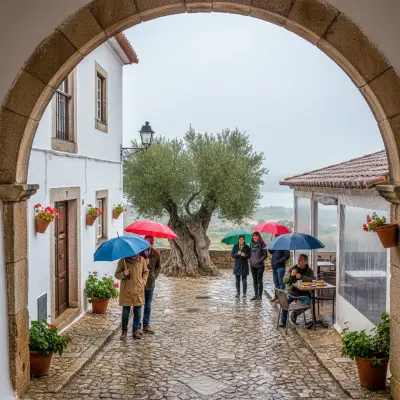
Monsaraz is a village built for sunshine. But when rain hits, there are talha wines to taste, pottery workshops five minutes away in São Pedro do Corval, and a fourteenth-century secular fresco hidden in the old courthouse. You just need to know where to look.
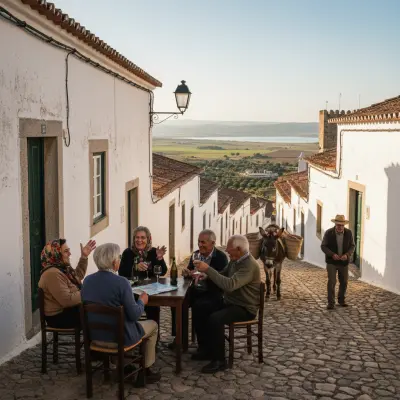
Monsaraz is one of the rare places in Portugal where almost everything worth doing is free: medieval walls, megalithic prehistory, and Europe's best night sky. Under €20 per person gets you a full day without cutting corners.