Zambujeira do Mar: Where to Chase the Best Light
Zambujeira do Mar's Praia dos Alteirinhos has a waterfall that tumbles onto the sand and glows in morning light. Cabo Sardão is the only place on earth where storks nest on sea cliffs. Here's when and where to be for the best photographs on the Vicentine Coast.
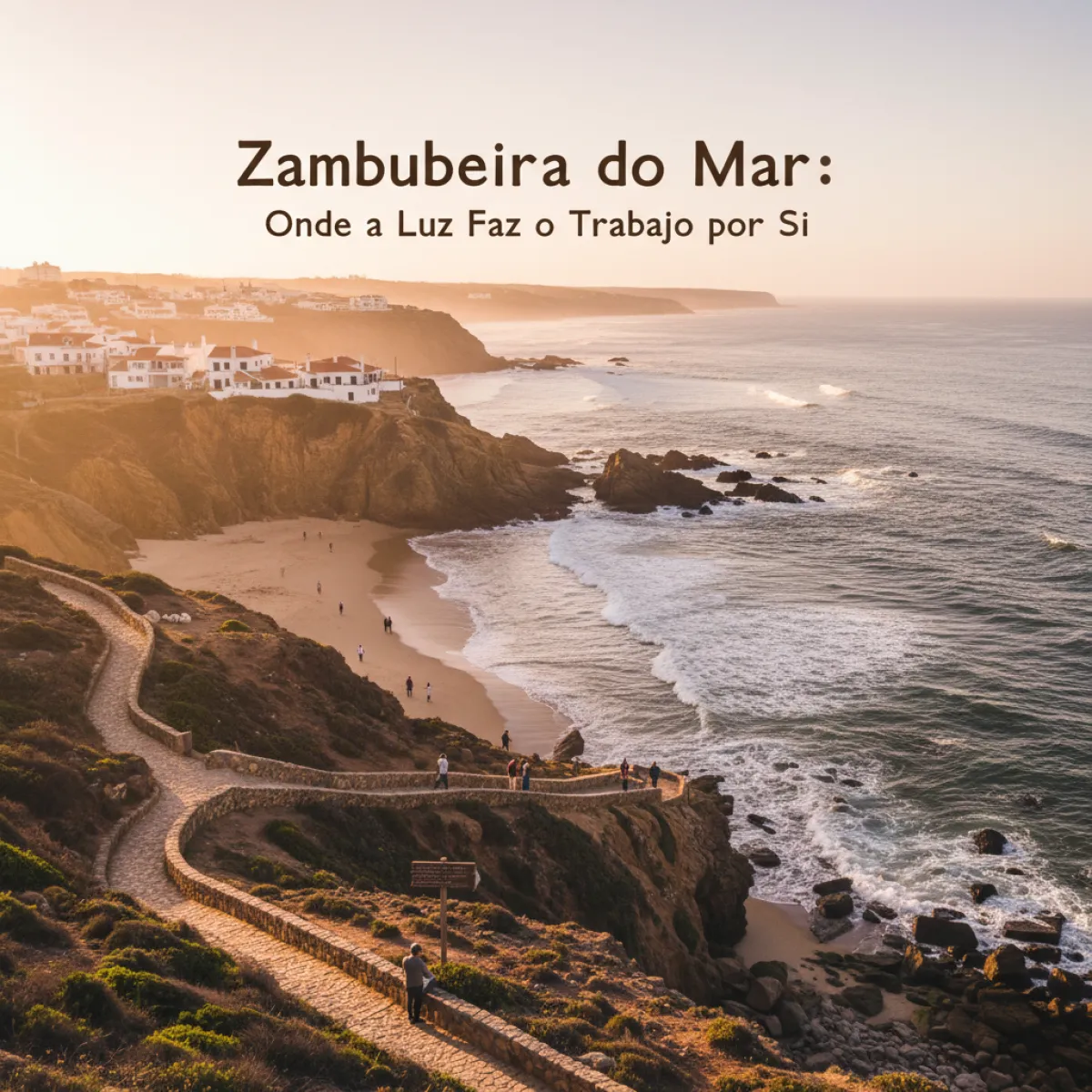
There's a reason half the photographers walking the Fishermen's Trail end up staying in Zambujeira do Mar longer than planned. The village sits on a west-facing cliff edge above the Atlantic, and when the sun starts its descent, somewhere between 7:30pm and 9pm depending on the season, the entire coastline turns into a natural photography studio. No filters required.
But showing up at sunset and pointing your camera west isn't a strategy. Zambujeira has several spots with completely different light throughout the day, and knowing when to be where is the difference between a forgettable snapshot and something that makes people ask "is this real?".
The Village Square: The Classic That Always Works
Let's start with the obvious. The central square of Zambujeira do Mar, next to the Capela de Nossa Senhora do Mar, that white chapel with blue trim that looks like it was built specifically for postcards, is the inevitable starting point. And deservedly so.
The chapel sits at the cliff edge, facing directly out to the ocean. In late afternoon, as the sun drops toward the Atlantic, the white façade catches the golden light in an almost absurd way. If you want the quintessential Zambujeira photograph, this is it: the chapel silhouetted against an orange sky, the sea crashing below.
The best window is between ninety minutes before sunset and about twenty minutes after. The so-called "blue hour", those minutes just after the sun disappears, produces long exposures with pink tones that work particularly well against the chapel's white walls.
Practical tip: in summer months, the square fills with people watching the sunset. If you want to shoot without heads in your frame, arrive early and position yourself on the north side of the square, closer to where the path descends to the beach. Fewer people, better angle.
Praia dos Alteirinhos: The Waterfall and Morning Cliffs
About 800 metres south of the village, Praia dos Alteirinhos is probably the most photogenic spot on the entire Vicentine Coast, and that's not hyperbole. The beach has a small waterfall that trickles directly down the cliff face onto the sand, creating a natural composition that looks like it was arranged by a cinematographer.
Here, the light you want isn't the evening kind. Alteirinhos faces southwest and the tall cliffs to the north cast shadow in late afternoon. The right moment is morning, between 7:30am and 10am, when the sun rises behind you and illuminates the entire cliff face and waterfall with warm, side-angled light.
In spring, April and May, the access stairs are covered in wildflowers, and seabirds nest in the rocks. It's the perfect combination: the waterfall, the flowers, the cliff face glowing golden in the morning sun. If you can only pick one spot in Zambujeira, pick this one and set your alarm.
Access is on foot from the village, following signs south. The stairs are steep, this is not flip-flop territory. Wear shoes with grip, and if you're carrying camera gear, a backpack makes more sense than a shoulder bag.
Cabo Sardão: Storks on Sea Cliffs
Twenty minutes' drive north of Zambujeira, Cabo Sardão is an essential stop for anyone with a camera. This is the westernmost point on the Alentejo coast, marked by a lighthouse and vertical cliffs that plunge into the sea with genuine drama.
But what makes Cabo Sardão truly unique is this: it's the only known place in the world where white storks nest on sea cliffs. From late March, the storks return from Africa and build their enormous nests on rocky ledges above the ocean. Seeing a stork perched on a rock with the Atlantic as backdrop, forty metres below, is an image that stays with you.
For wildlife photography, bring a telephoto, 200mm minimum, ideally 400mm. The best light hits the cliff faces in late afternoon, when the sun illuminates them head-on. At midday, the shadows are harsh and uninteresting.
For pure landscape, the Cabo Sardão lighthouse at sunset is a classic shot. There's nothing between you and the horizon, just ocean. The intensity of the colours at dusk, combined with the scale of the cliffs, is hard to match anywhere else in the Alentejo.
Access is via a secondary road from São Teotónio. Parking near the lighthouse is free and has sufficient space outside peak season. Check locally for any access restrictions during nesting season, some areas are occasionally fenced off to protect the birds.
The Fishermen's Trail: Photography on the Move
The Rota Vicentina's Fishermen's Trail passes through Zambujeira do Mar, and honestly, some of the best coastal viewpoints aren't in the village, they're on the path.
The Almograve to Zambujeira stage (roughly 15 km) passes spectacular cliffs and isolated beaches. The next stage, Zambujeira to Odeceixe (about 18 km), is equally impressive, passing Praia do Carvalhal and Praia da Amália, the latter one of the most beautiful beaches in Portugal, wedged between cliffs.
For photography, the southern stage (toward Odeceixe) is the most rewarding. The coastline shifts constantly, dark rocks, white sand, green vegetation, and since the trail follows the coast almost the entire way, there's a new frame around every bend.
An important note: the trail is physically demanding. It's not a Sunday stroll; there are steep climbs, sandy paths, and constant coastal wind. If you're carrying camera gear, plan extra time and bring sufficient water. There are no supply points between villages.
Where to Stay to Catch the Best Light
If you're serious about photography, or simply want to watch the sunrise over Alteirinhos without a half-hour drive, it makes sense to sleep in Zambujeira.
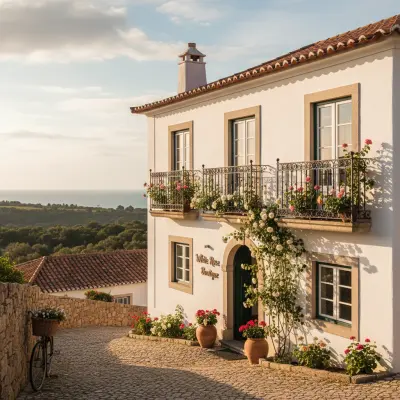
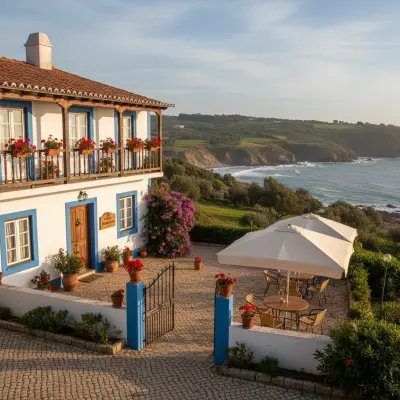
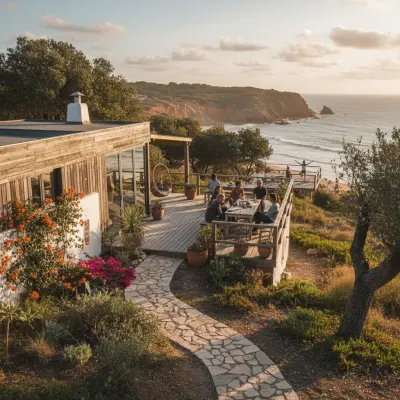
White Rose Boutique is a polished accommodation option, ideal if you want comfort after a day scrambling along cliffs. For something more laid-back with a social atmosphere, useful if you're travelling solo or want to swap tips with other hikers, Hostel Nature fits the Fishermen's Trail ethos well. And if you want something in between, Alojamento Costa Alentejana offers a solid base with local character.
Book ahead if you're coming between June and September. Zambujeira is small and accommodation sells out fast, especially during the Sudoeste festival (usually in August).
Practical Tips for Shooting in Zambujeira
- Morning light (7am–10am): Praia dos Alteirinhos, cliffs south of the village. Side-angled sun, long shadows, warm tones on rock.
- Midday (12pm–3pm): Bad time for cliff photography (harsh shadows, washed-out colours). Use this time to explore, eat lunch, rest. If you insist, visit north-facing beaches where the light is more even.
- Late afternoon (5pm–sunset): Village square, Capela de Nossa Senhora do Mar, Cabo Sardão. The golden hour here is among the best on the Portuguese coast.
- Blue hour (20–40 min after sunset): Long exposures by the square or on the cliffs. Bring a tripod.
As for gear: a wide-angle lens (16-35mm) is essential for cliffs and landscapes. A telephoto serves you well at Cabo Sardão for the storks. A polarising filter works wonders on the water and sky, especially around midday. And bring protection for your equipment, the coastal wind carries salt and sand that are no friends to exposed lenses.
Beyond the Camera
Zambujeira isn't just scenery. While you're waiting for the right light, explore what the village has to offer. If you're here in the morning, check out Zambujeira's local market, it's worth dedicating a relaxed morning to. If you're planning to explore the coast further north, the fresh fish scene in Porto Covo pairs nicely with a day of coastal photography. And if you want to understand what makes this coastline so singular from a culinary perspective, read about Odemira's percebes, the barnacles harvested from these very cliffs you'll be photographing.
Zambujeira do Mar doesn't need Instagram filters or forced angles. The light does the work. What it needs is you, in the right place, at the right time. Now you know where and when.