Zambujeira do Mar: Where Locals Actually Eat
In Zambujeira do Mar, fish travels the shortest possible distance from auction to plate. From the whelk stew at Sacas to the pick-your-own grill at Ti Vitória, this is the guide to eating where locals actually eat, no photo menus, no coriander foam.
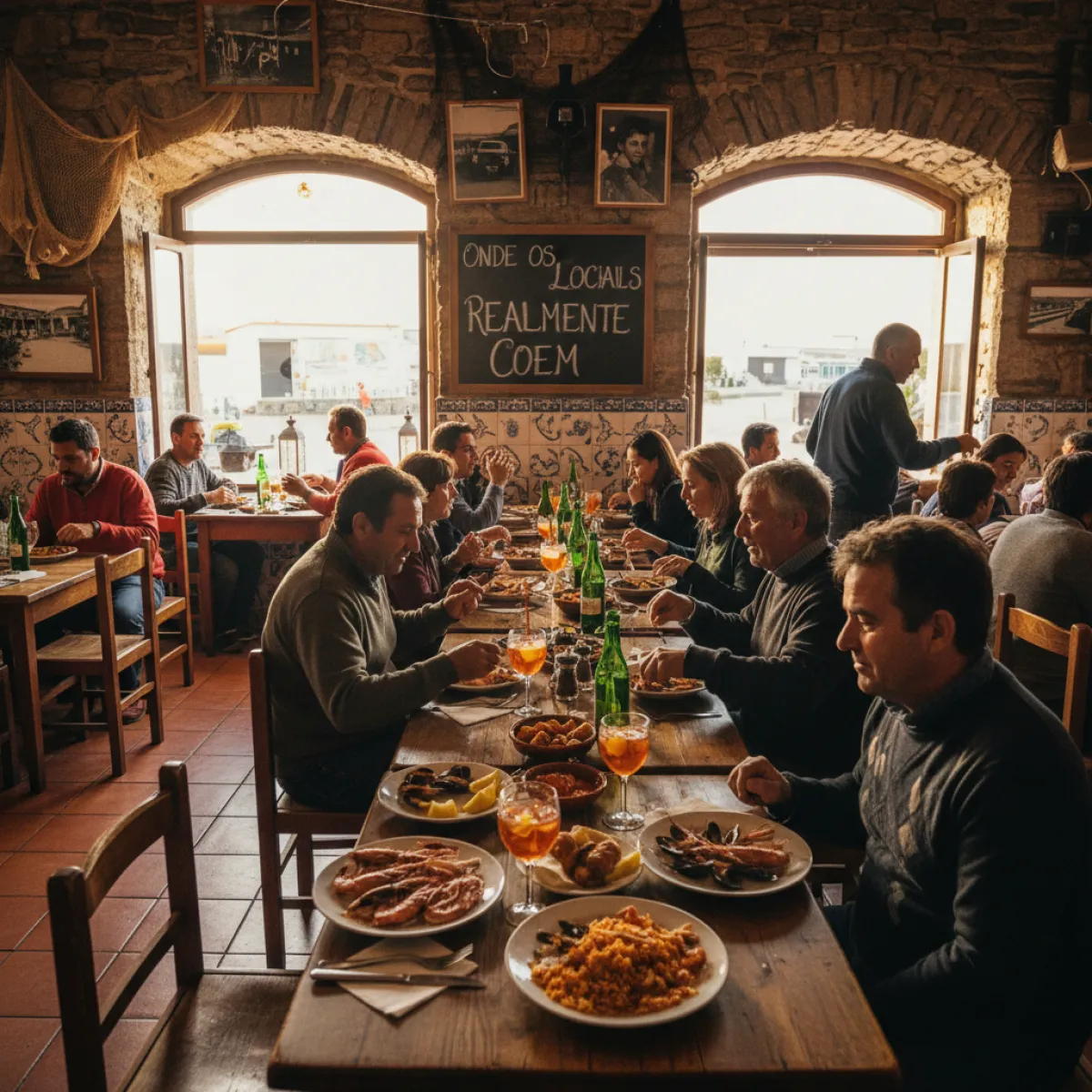
There's something that deeply annoys the year-round residents of Zambujeira do Mar: the assumption that their village is just a music festival. That it's a place to pitch a tent in August, eat a canned sandwich, and leave. The truth is that Zambujeira has a serious food tradition tied to its working fishing port, and the people who eat well here don't need a twenty-page wine list or foam on their plates. They need fish that came out of the ocean this morning and someone who knows what to do with it.
O Sacas: The One Everyone Agrees On
Let's start with the obvious, because pretending O Sacas doesn't exist would be dishonest. This restaurant, tucked against the Entrada da Barca by the small fishing port, is where fish travels the shortest possible distance between auction and plate. The local fish auction works in reverse, the auctioneer starts high and drops until someone bids, and Sacas buys there, every day.
The feijoada de búzios is the dish that defines the house: a dense, comforting whelk stew that bears no resemblance to any feijoada you've had elsewhere. The coastal whelks give it a marine depth you can't replicate inland. If it's available, order the fricassé de raia, a ray fricassée that requires advance notice, and is worth planning your visit around. The peixe-aranha fillets with migas are another safe bet, as are the sopas de cação, a shark soup done properly with soaked Alentejo bread and generous coriander.
Don't expect cheap prices. Sacas charges what it charges because it works with premium ingredients and knows it. A meal for two with catch of the day and wine easily runs €50-70. Closed Wednesdays in low season. If you want to understand the story behind percebes on this coast and what it takes to harvest them, order them here when available, but know that the price fluctuates with the sea.
Ti Vitória: Fish on Display, No Fuss
If Sacas is the serious reference, Ti Vitória is where you go for well-executed grilled fish without the ceremony. Located at Largo Miramar, slightly off the main street, it operates on a beautifully simple logic: arrive, look at the refrigerated display, pick your fish, and watch it go straight onto the charcoal grill.
No tricks, no unnecessary elaboration. A grilled sea bass or gilt-head bream with boiled potatoes and a salad, that's it. And when it's done well, as it is here, that's all you need. The shrimp skewers have a loyal following, and if you prefer meat, their black pork barbecue is more than respectable.
Prices are more accessible than Sacas, and the atmosphere is relaxed, paper tablecloths, loud conversation, children running between chairs. Closed Mondays in the off-season. Check hours locally, because this is the Alentejo and clocks work differently here.
What to Actually Order
Zambujeira's kitchen is, first and foremost, coastal Alentejo cooking. That means fish dominates, but it's not alone. There's a strong tradition of açordas, dense Alentejo bread soaked in a fragrant broth of coriander and garlic, crowned with a poached egg. In a good açorda de marisco, the broth is everything: it should taste of the sea without being salty, of herbs without tasting like a lawn.
Carne de porco à alentejana, which, despite the name, belongs to this coast as much as the interior, deserves attention. Good porco à alentejana has pork marinated in red pepper paste for hours, and the clams are fresh, not from a frozen packet. When the two meet in a cataplana or heavy pot, the result is that impossible surf-and-turf flavor that is the Alentejo's signature.
And then there's choco frito, fried cuttlefish. Along this entire coast, choco frito is a religion. The strips should be thick, the batter thin and crispy, the inside tender. Avoid versions with rubbery cuttlefish or heavy batter, they're signs that the kitchen isn't trying.
Percebes and seasonal shellfish
If you visit between October and March, you're in peak percebes season. Harvesting barnacles on this coast is genuinely dangerous, with foragers descending slippery cliffs to pry them from the rock. That's reflected in the price, they can cost €40-80/kg depending on the season, but a small plate, boiled in seawater, is enough to understand why.
Razor clams, regular clams, and coastal shrimp also appear on menus seasonally. These aren't the jumbo prawns from the South Atlantic: they're small, thin-shelled, with concentrated flavor.
The Market and the Right Purchases
Before sitting down at any table, it's worth passing through the local market. We have a guide to what's worth buying at Zambujeira's market that makes useful reading, but the short version: go early, buy the fish that came from that day's auction, and ignore the packaged products you could buy at any Lisbon supermarket.
Local serra honey, regional sheep's cheese, and Alentejo olive oil are the right purchases to bring home. Alentejo bread, however, is best eaten here, it doesn't survive the journey.
Beyond Zambujeira: Eating Along the Coast
If you have a car, and you should, because public transport in this area is an exercise in patience, two detours are worth your time. In Azenha do Mar, a few kilometers south, Café Palhinhas is a singular case: one man, Samuel, serving whatever petiscos are available that day, written on a chalkboard. Barnacles, grilled shrimp, clams, fried moray eel. House wines served in colorful ice buckets. The view over the tiny harbor is lovely, but what holds you is the honest food and total absence of pretension. Confirm it's open before you go, the schedule is unpredictable.
Further north, Porto Covo has its own fresh fish tradition worth exploring, especially if you want to vary your lunches over a few days on the coast.
When to Go and Where to Stay
The best time to eat in Zambujeira is, logically, outside August. In June and September, restaurants operate without festival pressure, the fish is the same, prices are more honest, and you can get a table without a reservation at most places. In August, always book. Always.
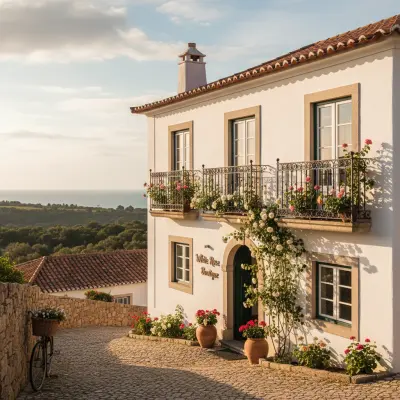
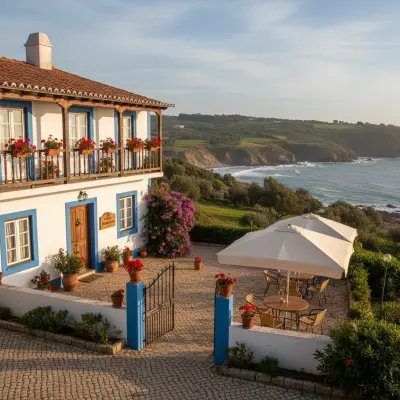
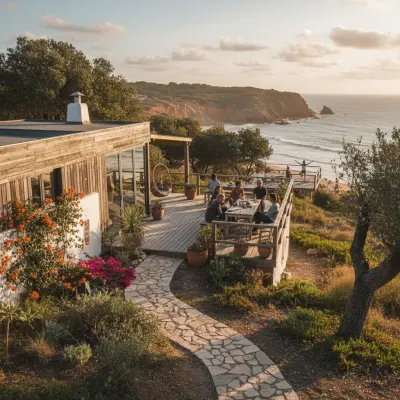
For accommodation, there are options for different budgets. White Rose Boutique is a comfortable, well-located choice. If you'd rather spend your budget on the table than the pillow, a wise decision around here, Hostel Nature works well for travelers with their priorities straight.
The Essentials, No Padding
- Grilled fish is king. If the restaurant has a display case with fresh catch of the day, you're in the right place.
- Always ask for the fish of the day, it came from the morning auction and is always your best bet.
- Percebes: October to March, when the sea allows. Don't hesitate.
- Feijoada de búzios at Sacas is the dish you'll remember from this trip.
- Avoid restaurants with laminated photo menus. In Zambujeira, the good places have handwritten menus or simply tell you what's available.
- Bring cash. Not everywhere takes cards, especially the smaller spots.
- Book in August. Other months, just show up.
Zambujeira doesn't need to be sold as a gastronomic destination. It isn't one, in the urban sense. It's something better: a place where you eat well because the sea is right there, the fishermen know what they're doing, and the cooks don't complicate what doesn't need complicating. Come hungry, come unhurried, and keep your phone in your pocket for at least the duration of the meal.