Zambujeira do Mar: A Market Crawl Worth Your Morning
Zambujeira do Mar's tiny municipal market won't win any design awards, but it has fresh sea bream from the Entrada da Barca fishing port, home-cured olives in buckets, and alcôncoras, a traditional sweet with roots in World War I. A practical guide to buying smart and skipping the tourist traps.
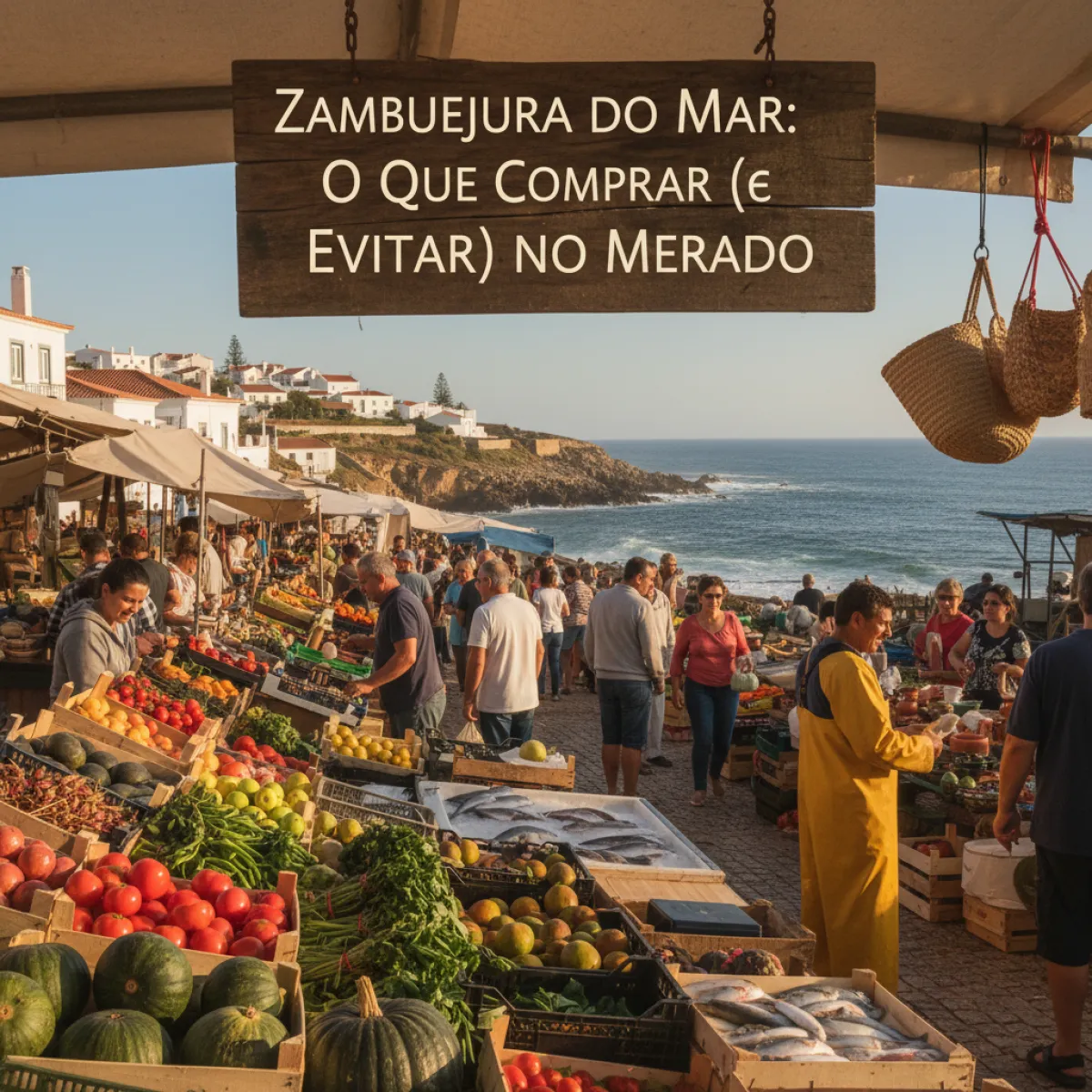
The municipal market in Zambujeira do Mar is not one of those glossy, renovated food halls with brunch stalls and craft beer taps. It's a small, no-frills market with three fruit and vegetable stands, a fish counter, and not much else. That's precisely why it's worth your time.
It sits on Rua da Capela in the village centre, open from 9am to 3pm, closed on Saturdays. If you're expecting a Lisbon-style market experience, adjust your expectations downward, and your satisfaction upward. This is how a working fishing village on the Alentejo coast feeds itself, and you get to be part of it for a morning.
The fish counter: where your morning starts
The fish stall is the heart of the market. What you'll find depends entirely on what the sea gave up that day, sea bream, sea bass, gilt-head bream, mackerel, wrasse, conger eel. There's no fixed menu. The catch comes from Entrada da Barca, Zambujeira's own artisanal fishing port, where roughly 150 fishermen still operate traditional open-bowed wooden boats, the same design their grandfathers used.
Golden rule: arrive early. At 9am, the counter is full. By 11am, the best is gone. The fish here isn't wrapped in polystyrene, it's in crates, still wet with salt, and the fishmonger knows where each piece came from. If you don't know what to do with a whole conger eel, ask. You'll leave with a stew recipe and a lecture on not ruining it on the grill.
What to buy: sea bream and sea bass are safe bets for grilling with nothing more than olive oil and coarse salt. Fresh mackerel on this coast is a completely different fish from the limp supermarket version, firmer, more flavourful. If you spot small cuttlefish, grab them without hesitation.
What to skip: if the fish smells more like a fridge than the ocean, move on. In a market this size, turnover can be slow and not everything came off the boat that morning. Your nose is the best quality control you have.
Fruits, vegetables, and what the land gives
The three fruit and vegetable stalls are modest but honest. Tomatoes that actually taste like tomatoes, revolutionary concept, I know. Alentejo sweet potatoes, courgettes, green beans in season. Nothing comes from Dutch greenhouses. The irregular shapes and soil still clinging to the roots are signs you're on the right track.
In summer, the local melons and watermelons alone justify the visit. Alentejo melon, properly ripe, cut in half and eaten with cured ham, if you haven't tried this, prepare for a conversion experience.
Look out for the seasoned olives some vendors bring in buckets, home-cured with garlic, oregano, and a touch of lemon. They cost very little and deliver enormously. Regional cheeses, particularly sheep and goat varieties, show up regularly. These aren't branded products, they're made by someone with half a dozen animals grazing somewhere in the Odemira interior.
The sweets: alcôncoras and whatever else appears
If anyone at the stalls has alcôncoras, buy them. They're a traditional dry sweet from the Odemira municipality, made with honey, olive oil, and cinnamon, with origins tracing back to World War I, they were placed on promise masts when a family member returned from war or recovered from illness. They're not pretty, they won't win any Instagram awards, but they're an edible piece of this region's history.
Just outside the market, a two-minute walk away, Padaria Augusto Ferreira e Filhos is an essential stop. It opens at 7am, in summer, check locally as it may close by noon. The bolinhos de manteiga (butter pastries) are what you're after: simple, buttery, baked right there. The dense Alentejo bread with its thick crust is what you take to the beach for your picnic.
The shop that fills the gaps
For what the market doesn't carry, and there's plenty it doesn't, there's a regional products shop near the sea. Liqueurs, jams, cured cheeses, local ceramics, and Vincentino wine are among the offerings. It's a solid option for gifts or for assembling a respectable appetiser board if you're staying in self-catering accommodation.
If the shellfish of this coast intrigues you, our guide on percebes in Odemira covers one of the most dangerous-to-harvest and delicious-to-eat shellfish along this stretch. And for those wanting to explore artisanal fishing further north, the fresh fish scene in Porto Covo is another chapter worth reading.
What not to buy
Let's be direct. In the souvenir shops scattered around the village, especially in summer, when Zambujeira's population triples for the Sudowest music festival, you'll find dolphin fridge magnets, generic beach towels, and "handicrafts" manufactured in Chinese factories. Walk past. If you want real ceramics, look for Alentejo pottery in regional product shops, not street stalls.
Also avoid buying honey or olive oil without knowing the source. This area has legitimate local producers, but summer brings opportunistic resellers. Ask where it comes from, who made it. If the answer is vague, keep walking.
Where to stay for an early market run
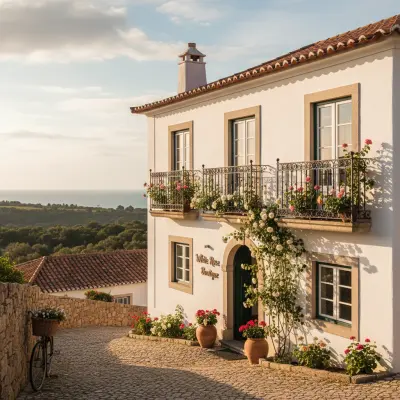
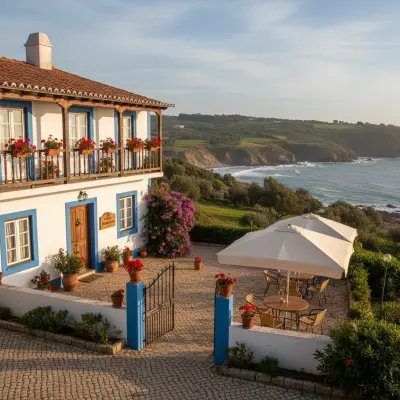
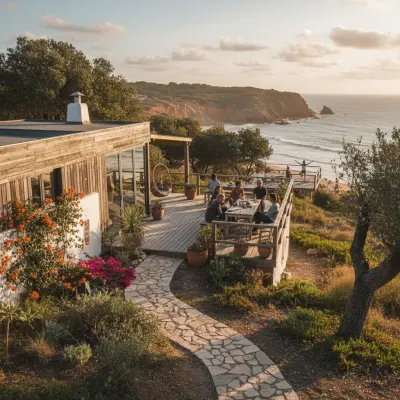
The advantage of Zambujeira is that everything is close. If you're at the White Rose Boutique, the market is a few minutes on foot. Same goes for Alojamento Costa Alentejana, well-positioned in the centre. For budget travellers, Hostel Nature has a shared kitchen, which means your market purchases can become dinner.
The ideal plan: wake early, hit the bakery, then the market, buy fish and fruit, and eat lunch on the beach with what you brought. Praia dos Alteirinhos, with its natural pools and wind shelter among the rocks, is the perfect setting for a picnic of cold grilled bream, Alentejo bread, sheep cheese, and a melon.
When to go
The market operates year-round, but the offering shifts. Spring and summer bring more variety in fruits and vegetables. In winter, the fish keeps coming, the sea doesn't close, but the produce stalls may be thinner. Avoid going in peak August if you dislike crowds: the village fills up with the festival and everything gets pricier and more chaotic.
September and early October are, in my view, the best time. The heat eases, tourists retreat, but the market still carries summer stock. And prices return to normal.
One last tip: bring a reusable bag. Seems obvious, but half the people I see at the market are carrying purchases in their bare hands because they forgot. And bring cash, in a market this size, card payment is an optimistic concept.