Walking Setúbal: From the Fish Market to the Fishing Quarters
Setúbal isn't just Lisbon's blue-collar sibling; it's a gritty, vibrant culinary destination that demands to be explored on foot, from the legendary fish market to the taverns of Troino.
Setúbal: The Antidote to Decorated Lisbon
Forget the sanitized version of Portugal you see on Belém postcards. Setúbal isn't here to be pretty for you; it's here to work, to fish, and to eat better than anywhere else on the central coast. While the capital grapples with gentrification, Setúbal remains stubbornly authentic, with the smell of brine and boat diesel lingering on Avenida Luísa Todi. If the Local Culture in Lisbon has sometimes become a performance for tourists, in Setúbal, culture is, above all, a matter of survival and local pride.
Walking through Setúbal requires good shoes and a deliberate lack of hurry. It is not a city of grand isolated monuments, but of neighborhoods that function as ecosystems. The secret to understanding this land is not to look at the facades, but to observe the hands of the women cleaning fish in the market or to listen to the thick accent of the men drinking their Moscatel at eleven in the morning in Largo da Fonte Nova. It is a city of contrasts: the brutalist concrete of some 70s apartment blocks coexists with the refined Manueline style of the Monastery of Jesus.
The Mercado do Livramento: Where the Day Begins
Any serious exploration of Setúbal must start at the Mercado do Livramento at eight in the morning. Forget breakfast at the hotel. Go straight to this Art Deco building, where the walls are covered with over five thousand azulejos narrating the city's history. But don't get too distracted by the art; the real show is on the marble counters. This was considered one of the best fish markets in the world by international publications, and it's not hard to see why. The glint of sea bass scales, the vibrant color of snappers, and the mountain of fresh cuttlefish, the king of local gastronomy, are fascinatingly raw.
Watch how the locals shop. There is a code of conduct: you don't touch the fish, you ask the price per kilo, and you accept the fishmonger's recommendation. After shopping, do as the Setubalenses do: have a short espresso (bica) at one of the outdoor kiosks and watch the city wake up. The market is Setúbal's barometer; if the sea was rough the night before, the stalls are emptier and the sellers' moods darker. This is where you feel the real pulse of this peninsula.
Troino and Fonte Nova: The Salty Heart
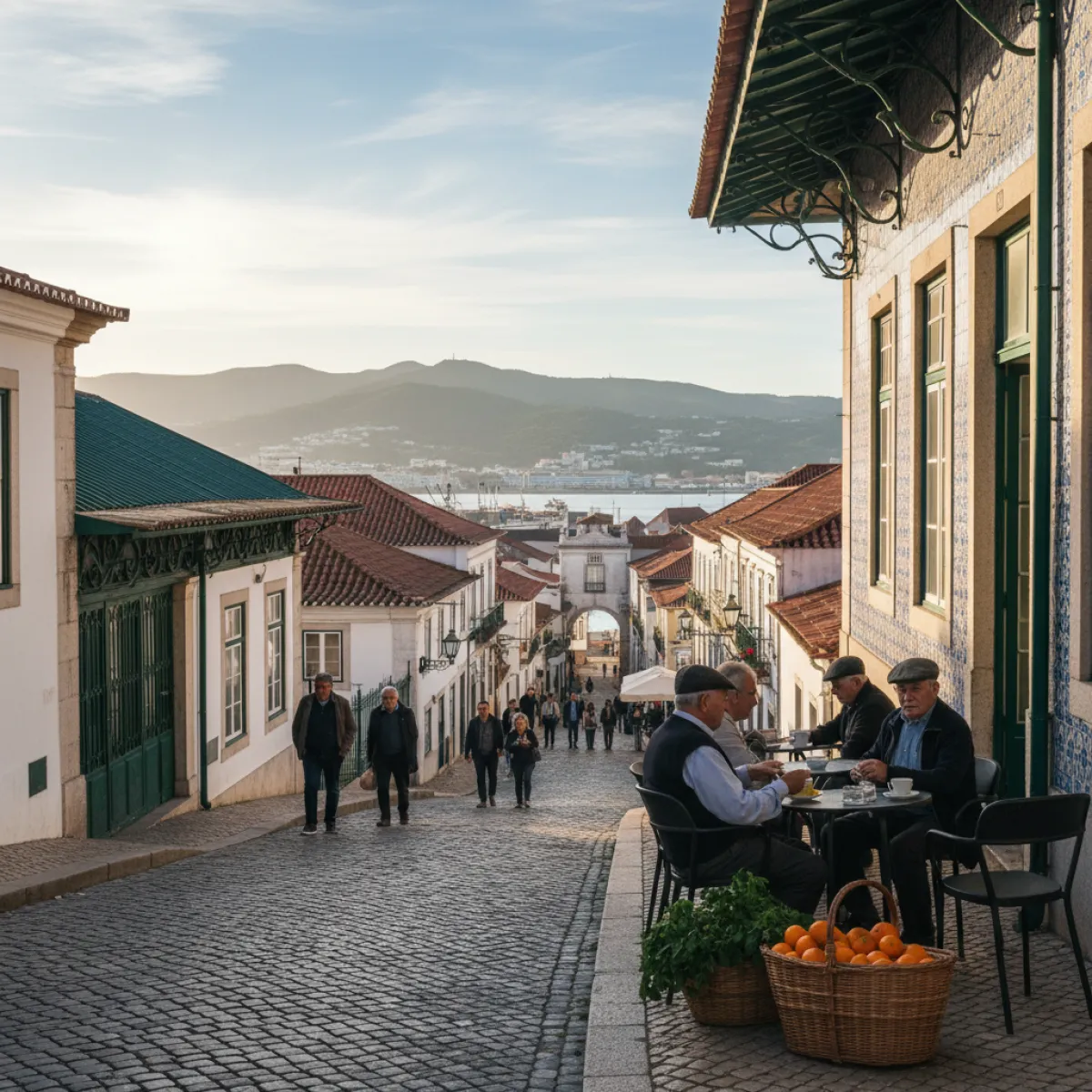
Leaving the market and walking west, you enter Troino. This is the fisherman's quarter par excellence. The streets are narrow, the houses small, and the laundry hanging from windows acts as a colorful canopy over passersby. Here, the smell of grilled sardines is a constant between May and September. It's the perfect place to get lost without a map. Look for Rua Álvaro Castelões, which runs through the historic area, but don't be afraid to veer into the side alleys where doors are open and you can hear the radio playing fado or local news.
The final destination in this area should be Largo da Fonte Nova. For decades, this square was the center of social life for cannery workers and fishermen. Today, it is one of the most pleasant places for an outdoor lunch. Where to eat the famous choco frito (fried cuttlefish)? There is a religious war over this topic. Leo do Petisco is an institution, but prepare for queues. If you want something less crowded but equally genuine, explore the small adegas (taverns) in the adjacent streets. A portion of choco frito with fries and salad costs around 12 to 15 euros and easily feeds two people. The secret lies in the freshness of the cuttlefish and frying it in very hot oil, without too much batter.
The Baixa and the Shadow of Bocage
Returning to the center, Setúbal's Baixa (downtown) offers a different experience. Praça do Bocage is the city's drawing room. Manuel Maria Barbosa du Bocage, the satirical poet and master of improvisation, watches everything from atop his statue in the center of the square. Setúbal sees itself in Bocage's irreverence; the city has that same defiant spirit. The terraces here are perfect for people-watching, but prices are slightly higher than in Troino.
Lose yourself in the pedestrian streets fanning out from the square. Rua da Saboeira and Rua Direita are examples of how traditional commerce still resists. Here you'll find old-fashioned shoe stores, haberdasheries, and hardware stores that seem frozen in time. It's in this area that you should look for the local sweet: Tortas de Azeitão (though originating from the nearby village, Setúbal has adopted them as its own) or Esses de Azeitão, perfect for pairing with a Moscatel de Setúbal. A glass of this fortified wine in the late afternoon is mandatory. Look for the Casa da Cultura for a dose of contemporary cultural programming in a tastefully restored building.
Bairro Salgado: The Elegance of Decay
For a total contrast to the rusticity of Troino, head up to Bairro Salgado. Developed in the late 19th and early 20th centuries, this was the neighborhood of the bourgeoisie linked to the canning industry. Here the streets are wider, the trees provide generous shade, and the facades are covered in Art Nouveau and romantic tiles. It is a quiet residential area, where you feel a more melancholic and elegant Setúbal.
Walk along Rua General Daniel de Sousa and admire the small palaces. Many are being restored, but the beauty of Bairro Salgado lies precisely in those houses that still maintain the patina of time. It's the ideal place for a late afternoon stroll, away from the bustle of the waterfront. If you're hungry, Restaurante O Ramila nearby is known for its grilled meats and always fresh fish, escaping the cuttlefish monopoly.
The Necessary Escape: Arrábida and the Beaches
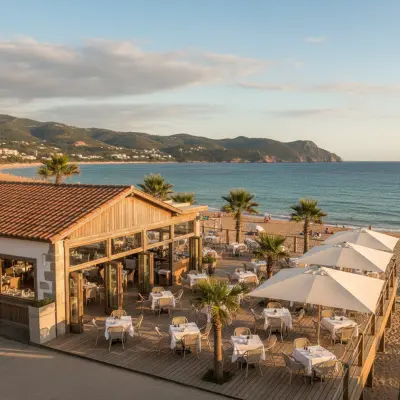
While this guide focuses on the city on foot, it's impossible to talk about Setúbal without mentioning the Arrábida Mountains. The mountain plunges directly into the sea, creating a unique microclimate. If you have the legs for it, you can walk the coastal road starting from the São Filipe Fort, but it's best to take a bus or a taxi to the beaches. Praia da Figueirinha is the most accessible and family-friendly, with an extensive sandbank perfect for long walks by the sea.
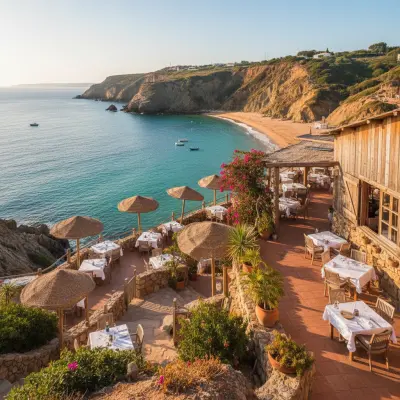
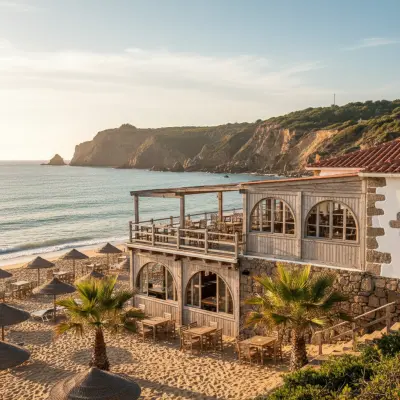
For those looking for something more secluded, Praia dos Galapinhos was voted the most beautiful in Europe a few years ago and, although it has lost some peace with the fame, it remains a visual spectacle of turquoise waters. Right next door, Praia do Creiro offers not only a refreshing dip but also the opportunity to visit the ruins of an ancient Roman fish-salting factory, proving that Setúbal has lived off the sea for over two thousand years.
Practical Tips for the Traveler
How to get there: The best way to reach Setúbal from Lisbon is the Fertagus train (departing from Roma-Areeiro, Entrecampos, or Sete Rios). The journey takes about 50 minutes and costs less than 5 euros. The train station is a 15-minute walk from the historic center.
When to go: Avoid Mondays, as the Mercado do Livramento is closed and many fish restaurants are also shut because there is no fresh catch. Saturday morning is the most vibrant time.
What to avoid: Don't order grilled fish in restaurants that don't have a charcoal grill in plain sight. Frozen cuttlefish is a mortal sin that some more touristy establishments commit, always ask if it's fresh.
Setúbal doesn't apologize for what it is. It's a city with edges, with strong smells, and an identity that refuses to be shaped by social media algorithms. If you come with an open mind and an appetite, Setúbal will reveal itself not as a quick stop on the way to the Algarve, but as a destination with a density that few cities in Portugal still retain.