Viseu in March: Beira Light and the Balance of the Seasons
Discover the understated elegance of Viseu in March, where historical granite meets the sweetness of local pastries. A detailed guide on Beira Alta's climate, packing essentials, and the artisanal experiences that define the region.
The Granite Architecture and the March Equinox
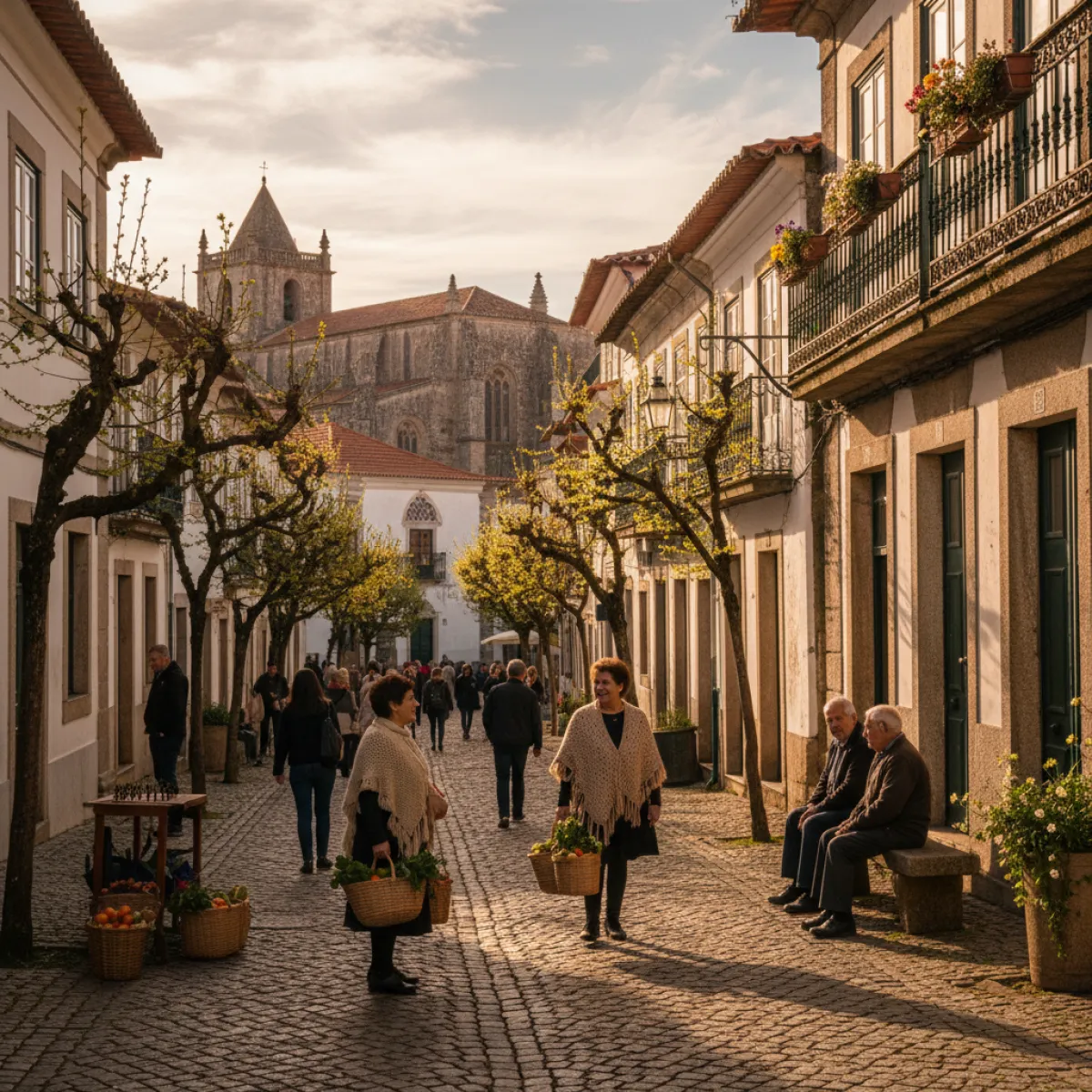
There is a specific gravitas to Viseu that only reveals itself during the shoulder seasons. March in the Beira Alta region is not the flamboyant spring one might find in the Algarve or Lisbon. Here, winter retreats with a certain stubbornness, leaving a trail of crisp mornings and mists that cling to the slate roofs and granite facades. It is a season of productive silence, where the city breathes without the frantic pace of summer crowds, allowing for an intimate look at the urban structure that has consistently earned it the title of Portugal’s most livable city.
Walking through the historic core of Viseu in March requires an appreciation for texture. The granite, which can feel austere in the height of summer, gains a chromatic depth under this month’s fickle sky. When the rain falls, and it will, with a predictable cadence, the stones darken to a deep, almost blueish grey, reflecting the amber glow of the cast-iron street lamps. When the sun breaks through, the mica glints, lending the streets a luminosity that seems to radiate from the walls themselves. This is the light that informed the work of Vasco Fernandes, the Renaissance master whose retables in the Grão Vasco National Museum demand a slow, contemplative visit.
Climate, Rhythm, and the Beira Spirit
The traveler arriving in March should be prepared for the "Março marçagão," a local idiom describing the month's volatile weather. Temperatures fluctuate between 6°C (43°F) at dawn and a comfortable 16°C (61°F) by mid-afternoon. It is not uncommon to experience four seasons in a single day. Yet, this instability is what keeps the surrounding landscape so vibrant. The hillsides guarding the city, thick with oak and chestnut trees, begin to show their first buds, and the air retains a crystalline purity lost in the coastal hubs.
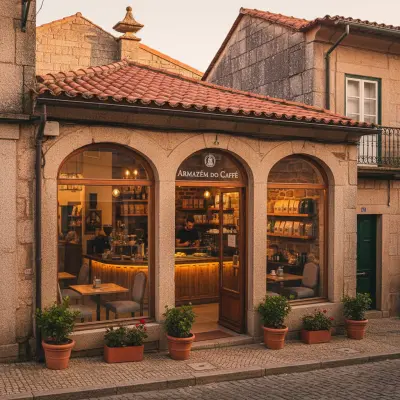
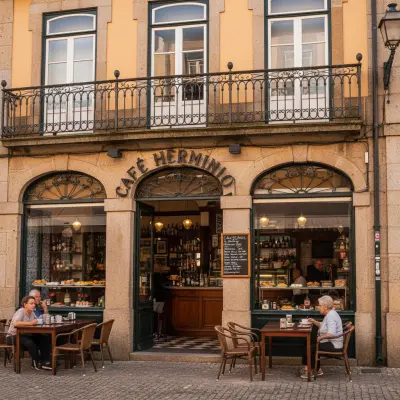
For those planning a stay, the secret lies in adaptability. Mornings are best spent indoors or partaking in the local coffee ritual. While the Armazém do Caffè offers a contemporary take on roasting, it is Café Hermínio that represents the city's continuity. It is one of those establishments where time seems to have reached a standstill, perfect for reading the international press or simply absorbing the steady pulse of Viseu life.
Packing Strategy: The Sophisticated Utilitarian
Discard any notions of a uniform, sun-drenched Portugal. Viseu in March demands a wardrobe built on layers, where functionality does not compromise aesthetics. Your centerpiece should be a high-quality trench coat or a lightweight wool overcoat, ideally water-repellent. The wind blowing off the Serra da Estrela mountains can be sharp, making a cashmere or merino scarf an essential companion.
- Footwear: Viseu’s cobblestone streets are unforgiving. Opt for leather boots with significant grip or structured rubber-soled shoes. March humidity can make polished granite surprisingly slick.
- Layering: Fine-gauge wool knits are far superior to heavy cotton. They allow you to regulate your temperature as you move between chilled cathedrals and heated cafes.
- Accessories: A compact, sturdy umbrella is non-negotiable, but consider a felt fedora as well, it provides both warmth and effective protection against the persistent Beira drizzle.
The Culinary Logic of Comfort
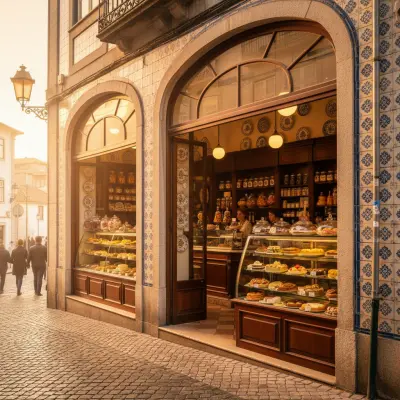
In March, the appetite still craves the substance of winter but begins to long for the freshness of the coming season. Viseu addresses this duality with a pastry culture that is arguably the most distinct in the country. The Viriato, a V-shaped brioche pastry honoring the Lusitanian hero, topped with egg jam and coconut, is a ritualistic necessity. At Confeitaria Amaral, this tradition is elevated to an art form. It is the place to understand that Portuguese conventual sweets are not just about sugar, but about edible history.
For lunch, seek out dishes that celebrate Vitela de Lafões (veal) or Arroz de Carqueja (gorse rice). These are dense, rural flavors that pair exquisitely with Dão wines. March is an excellent month to sample the region’s aged reds, which reveal an elegance and acidity that cuts through the richness of roasted meats. A high-quality meal in Viseu remains remarkably affordable compared to Porto; expect to pay between 25 and 40 euros per person at a reputable restaurant, wine included.
Immersive Craft and Artisanal Heritage
Viseu has invested heavily in the preservation of 'savoir-faire,' and the slower pace of March makes it the ideal time to engage in activities that require focus. A short drive from the city leads to the Casa da Ínsua, where the complexity of Portugal’s most famous cheese is decoded. Participating in Mastering Serra da Estrela Cheese: A Hands-On Workshop at Casa da Ínsua allows you to understand the science and tradition behind the thistle-rennet coagulation, a process that reaches its peak during these humid months.
Within the city limits, the tile tradition remains vibrant. Viseu serves as an open-air gallery of historic panels, but for a deeper connection, The Art of Azulejo in Viseu: A Tile Painting Workshop with Mestre António Cruz offers direct contact with the majolica technique. This isn't about a generic souvenir; it’s about creating a piece imbued with the patience the city so highly values.
Viseu as a Hub for Central Exploration
The geographic location of Viseu makes it the strategic pivot for exploring the heart of the country. If you have a week, the Portugal Itinerary: A Week in the Heart of the Country provides a logical framework that connects the granite of Viseu with the intellectual heritage of Coimbra. The proximity between these two cities offers a fascinating study in contrasts: while Viseu is the city of commerce and landed gentry, Coimbra: The Grammar of Time in Portugal’s Intellectual Capital offers a different academic energy just an hour away.
March is also the month when the Beira roads are at their most scenic. Traffic is minimal, and once the fog lifts, the visibility allows for views of the Serra da Estrela, often still capped with snow. This is the perfect setting for slow travel, prioritizing a stop at a schist village or a family-run winery in the Dão valley. The spirit of the journey in this season should be one of deliberate discovery, far from the exhaustion of "must-see" lists and focused on the quality of the individual experience.
Practical Insights for the March Traveler
An average daily budget for a couple in Viseu, choosing mid-to-high-range accommodation and full meals, is around 150-180 euros. Most museums are closed on Mondays, a crucial detail for planning. While the city is easily accessible via modern highways, the true soul of the region is found on the national roads that snake through the vineyards. In March, book your workshops at least a week in advance, as groups are kept small for personalized attention. Viseu is not a destination to be seen in passing; it is a destination to be inhabited, if only for a few days, absorbing the resilience of its granite and the sweetness of its Viriatos under the soft, emerging light of the Iberian spring.