Vila Real: Souvenirs Worth Carrying Home
Bisalhães black pottery costs €10 to €30 and is made using Iron Age techniques. Limões linen gets better with every wash. Transmontano cured meats survive the journey home. Vila Real has real souvenirs, if you know where to look.
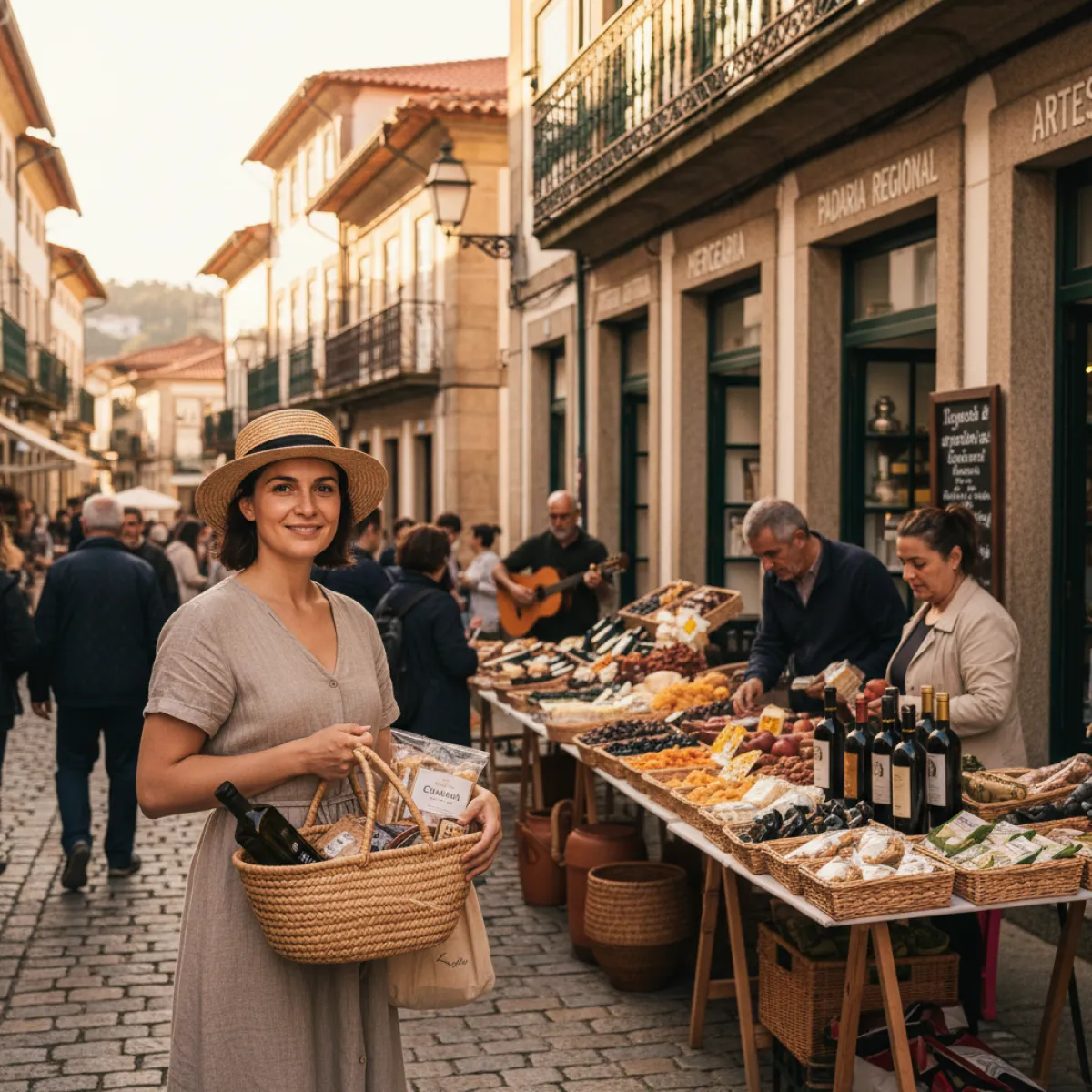
There's an easy way to spot a tourist leaving Vila Real: they're carrying a Douro Valley fridge magnet and a bag of sugar-coated almonds bought at a petrol station. Don't be that person. Vila Real and the Trás-os-Montes hinterland produce remarkable things, made by people who still work with their hands, and most visitors miss all of it because nobody told them where to look.
This guide is about the real stuff. Not souvenir shops with miniature Barcelos roosters, but actual craft, food worth hauling home, and the kind of object that will still be in your kitchen or on your shelf a decade from now.
Linen: the fabric that defines Trás-os-Montes
If there's one thing Vila Real's surrounding region does better than almost anywhere in Europe, it's linen. Transmontano linen has a different weight and texture from what you'll find in urban home stores. It's heavier, rougher, built to last generations. The tablecloths, kitchen towels, and aprons you find here aren't decorative pieces: they're everyday objects that get better with use.
The tradition of handloom weaving is alive, if barely. If you want to understand the process from start to finish, the linen weaving workshop in Limões is one of the best ways to spend a morning in the region. Limões is a small village near Vila Real where people still weave on wooden looms. This isn't a tourist re-enactment. It's a woman who's been doing this for decades, teaching you the basics while chatting about village life. Pieces bought directly from the weavers cost a fraction of what you'd pay in a Lisbon design shop, and the quality is incomparably better.
What to buy: tablecloths in raw linen, kitchen towels with hand-woven edges, bread bags. Skip anything with overly decorative embroidery meant to hang on a wall. Good linen is linen you use.
Black pottery from Bisalhães: UNESCO-recognised craft
About fifteen minutes from Vila Real sits Bisalhães, home to one of Portugal's most distinctive ceramics. The black pottery of Bisalhães, made using techniques dating to the Iron Age, was inscribed on UNESCO's Intangible Cultural Heritage list in 2016, on the urgent safeguarding register. The process is fascinating: pieces are fired in open-air kilns and blackened by smoke, giving them that characteristic matte black finish.
Very few potters are still working. This isn't an industry, it's a craft in danger. If you can visit a workshop (ask at the Vila Real town hall or tourist office about availability), do it. Otherwise, pieces are sold in a few artisan shops in Vila Real's centre and occasionally at regional fairs.
What to buy: small jugs, pots, and pitchers. They're functional, beautiful, and genuinely rare. A small jug typically costs between €10 and €30 depending on size. Don't buy industrial replicas: real Bisalhães pottery has imperfections, is slightly irregular, and carries a faint smell of smoke. Check locally for workshop visiting hours, which vary by season.
Food you can eat now and food you can pack
Vila Real sits at the crossroads of the Douro wine region and the Transmontano mountains, which means the food offering is absurdly good for a city its size. And much of it travels well.
Douro wine and olive oil
Obvious, but worth saying properly: don't buy wine at the supermarket. Go to a local wine shop, explain what you're looking for and what you want to spend. Vila Real has solid garrafeiras in the centre where the service is personal and the knowledge is real. If you'd rather see the landscape where it all happens, a Douro Valley photo tour departing from Vila Real is an excellent way to see the terraced vineyards and visit quintas that sell directly to visitors.
Transmontano olive oil is another serious business. Look for Trás-os-Montes DOP oils, preferably in tins (they survive the journey better). Expect to pay €8 to €15 for half a litre of quality oil. Expensive? Yes. But once you taste the difference, you'll never look at supermarket olive oil the same way.
Convent sweets and regional pastry
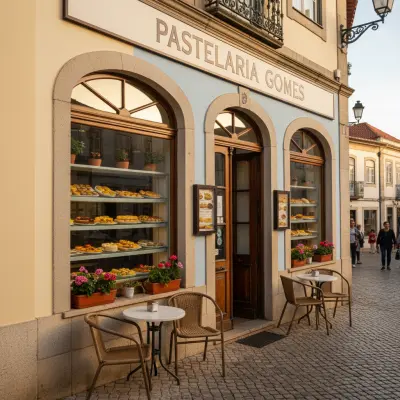
Vila Real has a pastry tradition that isn't as famous as Amarante's or Aveiro's, but deserves attention. Cristas de galo are the city's signature sweet: a puff pastry filled with egg cream. You'll find them at several bakeries, but stop by Pastelaria Gomes, a well-known local spot. Regional sweets hold up for a day or two of travel if you keep them cool.
Also worth packing: crystallised chestnuts (in October and November) and local honey, which benefits from the mountain flora.
Cured meats and smoked sausages
Alheiras, salpicões, chouriços of meat and blood. Transmontano fumeiro is, for many people, the best in Portugal. In Vila Real you'll find quality smoked meats at the Mercado Municipal and in traditional charcutarias. The alheira, which has Jewish origins and is made with bread, poultry, and sometimes veal, is the star product. It travels well vacuum-packed, and many shops will package it for you.
Practical tip: if you're flying, put the cured meats in your checked luggage, well wrapped. Don't try to take chouriços through hand luggage unless you want a lively conversation with airport security.
Where to look and what to skip
Vila Real's old centre has a few artisan shops, but the offering is uneven. The best strategy is to combine what you find in the city with what you discover in surrounding villages. Bisalhães for pottery, Limões for linen, Douro quintas for wine.
In the city, the Mercado Municipal is always a good starting point for food products. For crafts, ask at the tourist office: their recommendations tend to be reliable and current.
Skip: anything labelled "artisanal" in industrial packaging, fridge magnets, aprons with codfish jokes, and cork turned into objects nobody needs. Cork is a noble material, but a cork wallet made in a Chinese factory is not Portuguese craft.
Context: Vila Real as a base
Vila Real works well as a starting point for exploring Portugal's interior North. The city is small enough to walk in a morning but strategically placed for the Douro, Alvão, and Serra do Marão. If you're planning a wider trip through the North, check our guide to the best day trips from Porto, which includes suggestions for this area.
And if you're thinking of combining Vila Real with other Northern cities, our guide to Braga makes a good companion. They're cities with very different personalities: Braga is university-town loud, full of churches and students. Vila Real is quieter, closer to the land, more rural in the best possible sense.
The good souvenir test
Before buying anything, ask yourself three questions. First: will I actually use this? If no, put it down. Second: was this made by someone I could meet? If yes, it's probably worth the money. Third: does this exist only here, or could I buy it at any airport in the country? If the latter, move on.
A black Bisalhães jug, a bottle of Douro red from a small quinta, a hand-woven linen tablecloth, a bag of vacuum-packed alheiras. That's Vila Real in a suitcase. You don't need anything else.