Valença Fortress: What to See Inside the Walled Town
Two fortresses connected by a bridge, 13 bastions aimed at Spain, and the best linen tablecloth you'll buy this year. Valença deserves more than a thirty-minute stop. Here's how to do it properly.
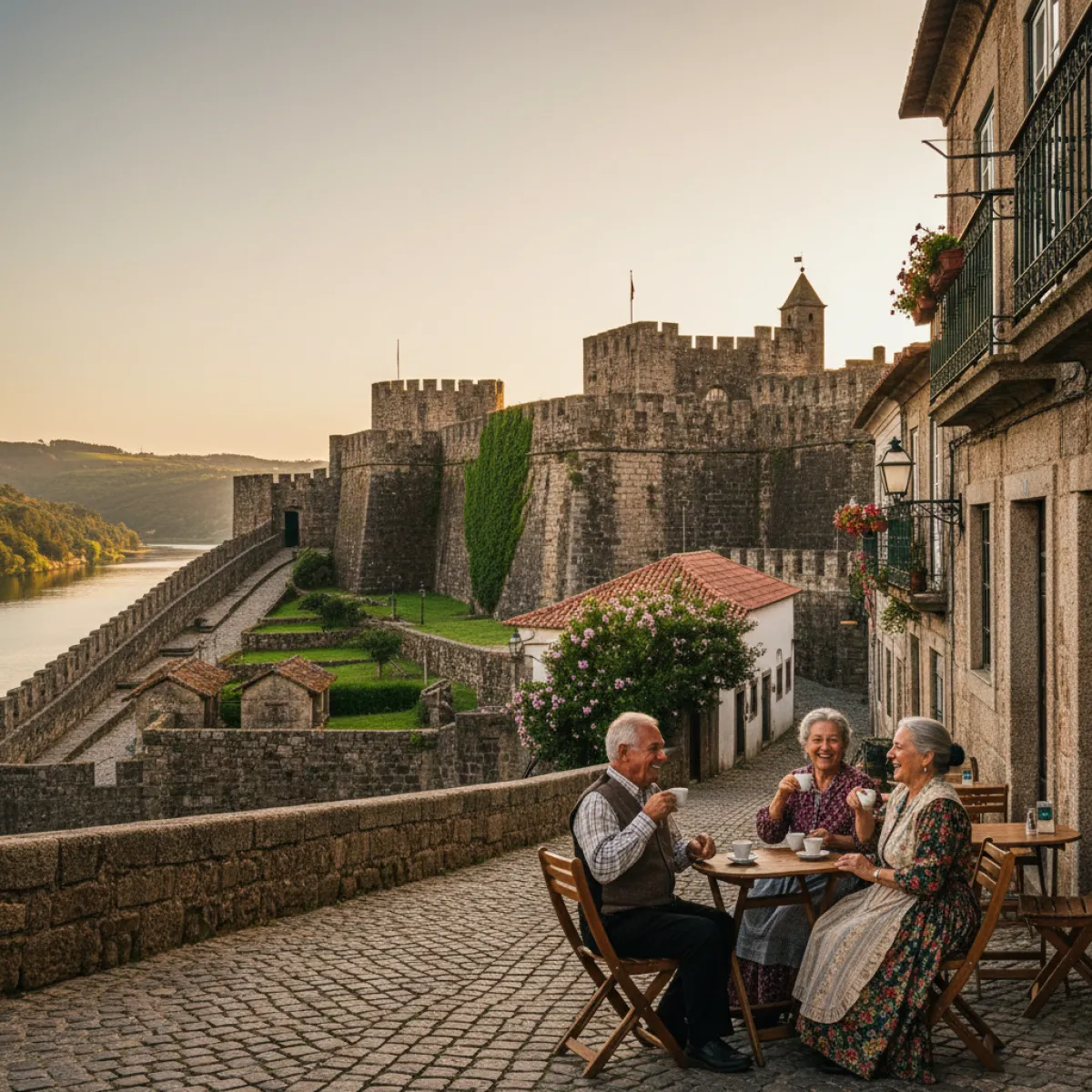
Valença doesn't do subtle. You arrive, look up, and there's a wall. Not a ruin, not a fragment. A full military fortress with star-shaped bastions, sentry boxes aimed at Spain, and a perimeter that stretches roughly five kilometres around two separate walled compounds. It's one of the best-preserved fortifications in Portugal, and somehow it's still underrated compared to flashier destinations further south.
The common mistake is treating Valença as a thirty-minute stop. People walk in through the main gate, browse the linen shops, photograph Tui across the river, and leave. That's like visiting a cathedral and only seeing the gift shop. Valença deserves a full morning, minimum.
Two Fortresses, Not One
Here's what most visitors miss: the fortress of Valença is actually two separate walled enclosures, the Praça Coroada and the Praça Magistral, connected by a bridge over a dry moat. The Coroada is where the shops and cafés are, so that's where everyone goes. The Magistral, to the north, is quieter, emptier, and frankly more atmospheric.
The first walls went up around 1200 under King Sancho I, but what you see today dates mostly from the 17th and 18th centuries. After the Restoration Wars against Spain, Portugal fortified its entire northern border, and Valença got the full Vauban treatment: bastioned walls, ravelins, firing angles calculated to the centimetre. Thirteen bastions, over thirty sentry boxes, and nearly two hundred gun embrasures. Entry is free, which makes the whole thing even better.
If you want to actually understand the military logic behind all this stone, book a guided fortress walk. It transforms the visit. Every bastion has a name, every tunnel had a purpose, and the geometry of the whole thing only clicks when someone explains why the walls are angled exactly the way they are.
The Main Street and the Tourist Trap
Let's be honest: Rua Direita, the main street through Praça Coroada, is basically an open-air market. Embroidered linens, tablecloths, cushion covers, ceramics, and the usual fridge magnets. On weekends, especially in spring and summer, it's packed. Spanish day-trippers pour across the bridge from Tui looking for cheap linen and vinho verde.
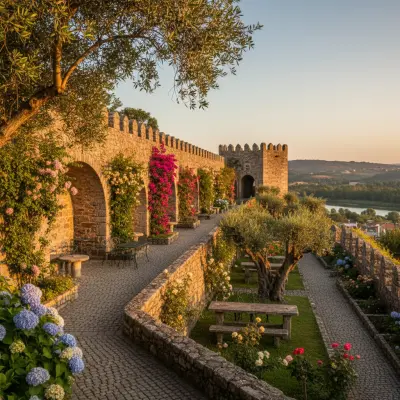
My advice: don't start here. Enter through the Porta da Gaviarra on the south side and head straight for the ramparts. Walk the adarve, the patrol path along the top of the walls, and look down. The Minho River is almost lazily wide at this point, and Tui's cathedral rises on the far bank like a set piece. This works best before ten in the morning. Fewer crowds, better light.
Then go to the main street, but with your filter on. The linen can be good quality, but prices vary wildly between shops. Skip anything selling generic "Portugal" souvenirs. If you want something worth bringing home, look for hand-embroidered pieces, not factory-made ones.
Two Medieval Churches Worth Finding
Inside the walls, there are two churches that deserve your time. The Igreja de Santo Estêvão was originally built under King Dinis in the 13th century and rebuilt in neoclassical style in the late 1700s. It retains some Romanesque elements in its structure, with three naves and a severity that contrasts sharply with the retail chaos a few metres away.
The other is the Igreja de Santa Maria dos Anjos, smaller and rougher. It dates to 1276 and preserves late Romanesque features, including corbels carved with animal and human figures. Around the back, there's a tiny chapel with Romano-Gothic inscriptions on the exterior. Easy to miss. Don't.
The Gardens and the Greener Side
After walls and churches, Valença has a greener side that most visitors skip entirely. The Fortress Gardens fill the spaces between bastions and along the moats, and they're the best place to decompress after a couple of hours exploring stone. Shaded benches, river views, and the kind of quiet that only exists when you're sheltered by four-metre-thick walls.
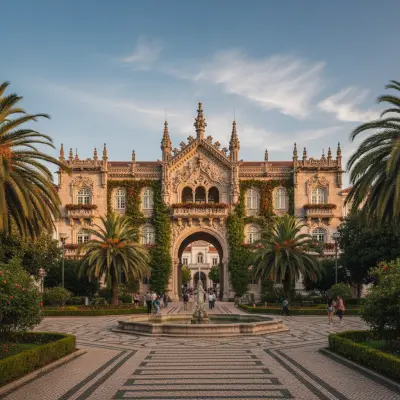
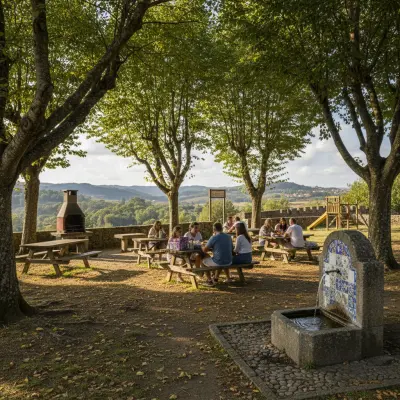
Outside the fortress but still in town, Jardim Municipal de Valença is where locals actually go. Less photogenic than the fortress, more genuine. Families stroll on Sundays, old men play cards in the shade. If the weather's good and you want a picnic with more space, Parque de Merendas Senhora da Cabeça is the right call. Tables, shade, zero tourists.
Where to Eat (With Opinions)
Inside the fortress, the food options are limited and, in many cases, mediocre. There are cafés serving generic toasted sandwiches and bifanas at prices inflated by tourism. Don't fall for it.
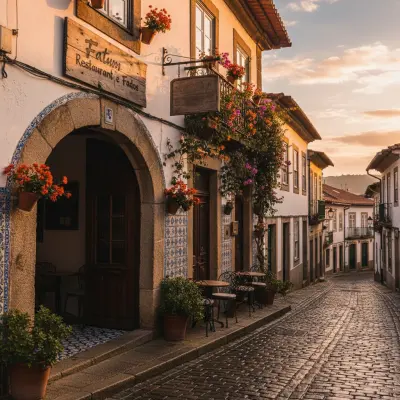
My clear recommendation: Fatum, Restaurante e Fados. Minhoto cooking with live fado might sound too good to be true in a town this size, but it works. It's one of the few places in Valença where the dining experience actually justifies the bill. Book ahead if you can, especially on weekends.
For regional dishes, look for lampreia (lamprey, in season from January to April), bacalhau à minhota, or rojões. Vinho verde is mandatory. White, cold, from a jug if possible. In the Minho, that's not cutting corners. That's doing it right.
Practical Details
Valença sits on the A3 motorway, roughly ninety minutes from Porto and twenty minutes from Viana do Castelo. By train, Valença station is on the Linha do Minho with direct connections to Porto-Campanhã, though service isn't frequent. Check locally for updated schedules.
Entry to the fortress is free. You can park near the Porta do Sol, but on weekends the lot fills early. If you're driving, arrive before 10am or prepare to circle.
Budget two to three hours for a thorough fortress visit. Add lunch, gardens, and a stroll through the lower town, and half a day is ideal. Valença pairs well with a morning in Monção or an afternoon in Caminha if you're doing a Minho road trip.
More of the Minho
Valença works well as a base for exploring the Alto Minho, but if you want to extend your route south, it's worth looking at what Barcelos has to offer. The cultural scene there is surprisingly strong. Travelling with family? Our Barcelos with Kids guide cuts straight to what matters. And for anyone curious about the museum scene, our guide on Barcelos museums tells you which are worth your time and which aren't.
Valença doesn't need grand adjectives. It has 800 years of walls, two medieval churches, views into Spain, vinho verde by the jug, and hand-embroidered linen at prices that still make sense. Go in the morning, stay for lunch, and bring a tablecloth back for someone who'll appreciate it.