The Perfect 2-Day Sintra Itinerary
Forget the day trip. To know the real Sintra, you need 48 hours. This detailed itinerary guides you through the palaces, mystery gardens, and local restaurants that define the soul of the sierra.
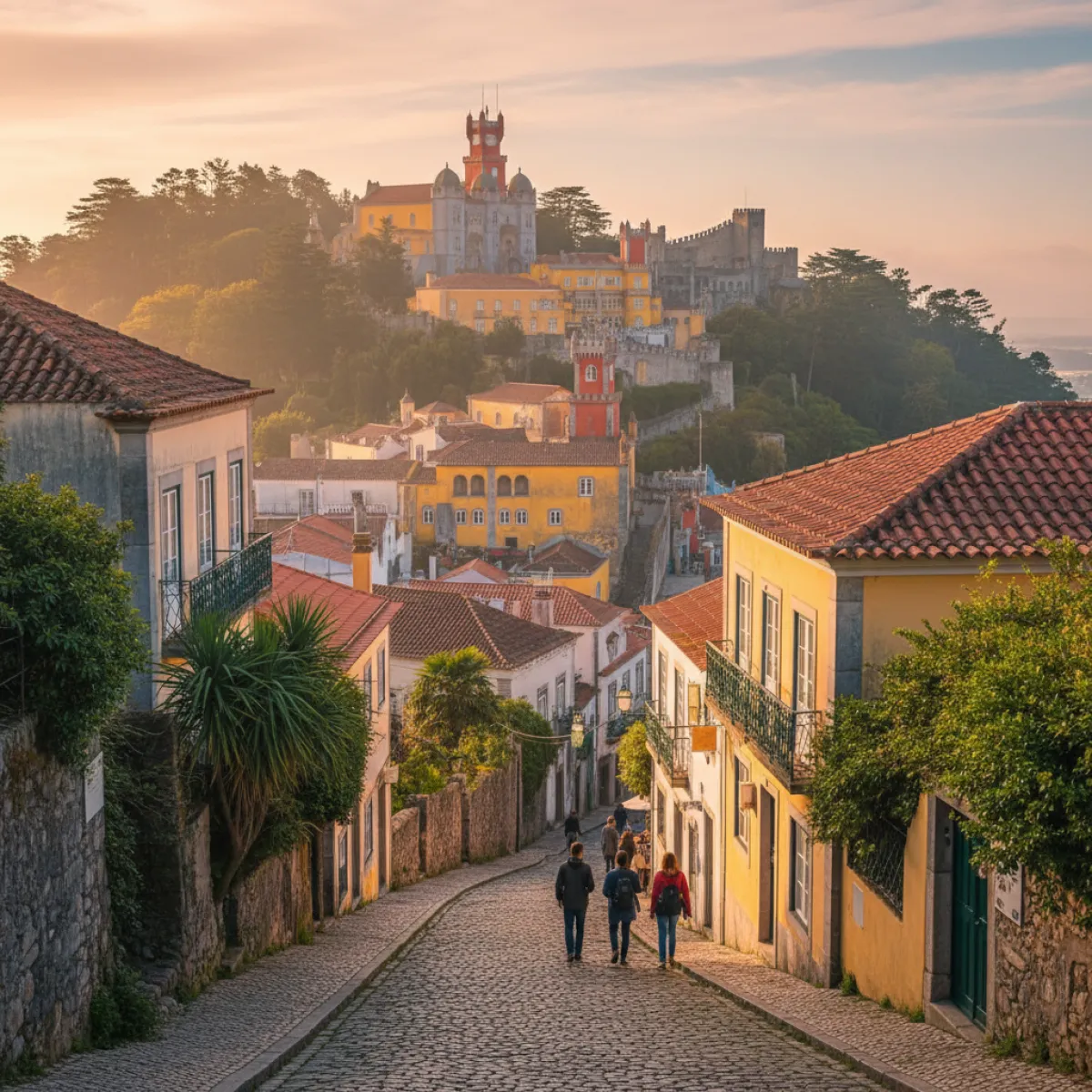
The Perfect 2-Day Sintra Itinerary: Beyond the Day Trip
Sintra is not a place to be consumed in a hurry. The majority of visitors make the mistake of treating it as a simple day trip from Lisbon, a box to be ticked on a checklist. They arrive in droves, see the facade of a palace or two, eat a pastry, and depart, convinced they have seen Sintra. They are wrong. To truly grasp the essence of this place, its strange brew of romantic opulence and dense mysticism, you need to stay the night. You need to feel the mist roll over the sierra at dusk and the quiet that settles when the tour buses leave. This 48-hour itinerary is designed for just that: a deliberate, thoughtful immersion into the town Lord Byron called his "Glorious Eden".
Before diving in, understanding the town's geography is key. Sintra is not a monolith; it's a collection of distinct neighborhoods and zones, each with its own character. A prior study of our Sintra Neighborhood Guide will prove invaluable for orienting yourself, from the bustling historic core to the quieter retreats of São Pedro. Your two-day experience will be defined by your ability to navigate between these worlds.
Day 1: Of Flamboyant Palaces and Esoteric Initiations
Morning: Conquering Pena Palace with Strategy
Pena Palace is unavoidable, and for good reason, it’s an assault on the senses. Its fever-dream fusion of Neo-Gothic, Neo-Manueline, and Moorish Revival styles is a testament to 19th-century imagination. But its popularity is its greatest challenge. To experience it without the crushing weight of the crowds, strategy is everything. Purchase your tickets online weeks in advance, selecting the first available time slot (usually 9:30 AM). Take the 434 bus, but consider getting off one stop before the top. The final 10-minute walk through the park offers a gradual, far more atmospheric approach to the palace, revealing glimpses of its candy-colored domes through the trees.
Once inside the gates, resist the urge to head straight for the interior tour. The real magic of Pena lies in its exterior terraces, courtyards, and walkways. Explore the Triton Terrace, walk the ramparts, and absorb the panoramic views that stretch to the Atlantic. If time is short, the interior can be skipped; it's often log-jammed, and the exterior is where King Ferdinand II's vision truly comes alive. Budget around €20 per adult for tickets. Skip the palace café; save your appetite for lunch.
Afternoon: Petiscos in the Center and Quinta da Regaleira’s Mysteries
Descend from the mountain and into the heart of the village for lunch. Steer clear of the restaurants with laminated menus on the main square. Instead, seek out Tascantiga, a small bastion of creative Portuguese petiscos (tapas). It doesn't take reservations, so arrive early or be prepared to wait. The wait is worth it. Order the tuna tartare, the sauteed mushrooms with asparagus, and the beef pica-pau. The bill, accompanied by a glass of crisp local white wine, will run you €25-30 per person, a fair price for the quality and invention.
Stomach settled, prepare for the esoteric counterpoint to Pena's romanticism: Quinta da Regaleira. This is not a palace but an initiatic garden, a philosophical landscape riddled with Masonic, Templar, and alchemical symbols. The highlight is, of course, the Initiation Well. Descending its spiral staircase is not just a physical act; it's a symbolic journey into the depths of the earth (and the psyche). Feel the temperature drop and the light dim with every turn. At the bottom, follow the labyrinthine tunnels until you emerge behind a waterfall. It is pure, and deeply effective, theatre. Allot at least three hours to explore the grounds in their entirety, as every grotto, turret, and lake has its own meaning. Entrance ticket: around €12.
Evening: A Refined Dinner and the Sierra's Silence
At night, Sintra transforms. The streets empty out, and the town breathes. It's the time for a more considered dinner. Incomum by Luis Santos, located near the train station, offers a modern take on Portuguese cuisine that is both elegant and unpretentious. Opt for the tasting menu for a full survey of the chef's talent. Expect dishes like cured Azorean amberjack or slow-cooked lamb. It's an investment, around €70 per person, without wine, but one that grounds your Sintra experience in culinary sophistication. End the night not with a cocktail, but with a glass of Colares wine, made from pre-phylloxera vines grown in the nearby sand dunes. It's a taste of local history, a perfect cap to the day.
Day 2: Ancient Walls and the Atlantic Breeze
Morning: The Moorish Castle and a Sweet Reward
Begin day two with a different perspective. The Castle of the Moors, its stone walls snaking over a rocky ridge, offers an austere contrast to the fantasy of Pena. Built in the 8th century, its presence is a reminder of the region's deeper, older layers of history. Many visitors arrive from Lisbon, a city with its own deep-seated customs, and it's useful to understand the local culture in Lisbon to appreciate the contrast with Sintra's more ethereal, removed atmosphere. The walk along the castle's ramparts is bracing, and the views are second to none, framing Pena Palace on one side and the plains toward Mafra on the other. It's an exercise in both history and topography. Budget €12 for the entrance.
The walk back down into town will work up an appetite. Reward yourself at Casa Piriquita, an institution since 1862. The pastry to get is the Travesseiro ('pillow'), a warm, flaky puff pastry filled with a sweet almond and egg cream and dusted with sugar. A word of advice: the original shop is always mobbed. Walk one minute further up the road to Piriquita II, their second location, which is often calmer. Order a travesseiro and a queijada (a small tart of fresh cheese and cinnamon) with an espresso. It's a Sintra rite of passage. Budget: €5 for an indulgent break.
Afternoon: The Exotica of Monserrate or the Call of the Coast
The afternoon of your second day offers a choice, a moment to tailor the itinerary to your taste. For lovers of botany and more subtle architecture, the destination is the Palace of Monserrate. Less visited than Pena or Regaleira, Monserrate is an Indian- and Moorish-inspired jewel set within one of Portugal's most important botanical gardens. The lawn sloping down from the palace is one of the most serene spots in all of Sintra. It's the perfect antidote to the intensity of the morning.
Alternatively, if the sea breeze is calling, grab a taxi or ride-share and head for the coast. The dramatic rock formations of Praia da Adraga or the impossibly picturesque village of Azenhas do Mar, perched on a cliffside, offer a dose of salt air and a change of scenery. While Sintra is a destination in its own right, it's often seen as a day trip from the coast. Our guide to the best day trips from Cascais positions Sintra as a primary option, but this coastal jaunt reverses the perspective, showing you what lies beyond the sierra. It’s a reminder that Sintra’s magic is intrinsically linked to its proximity to the Atlantic.
Evening: Farewell Dinner with a Taste of Tradition
For your last night, opt for a dinner that celebrates Portuguese cooking without the frills. Apeadeiro, near the Portela de Sintra train station, is an honest and consistently good choice. This is a no-pretensions local's restaurant where the quality of the ingredients speaks for itself. Order the octopus à lagareiro (roasted with garlic and olive oil) or one of the salt cod dishes. This is Portuguese comfort food at its best. Budget €35-45 per person with house wine.
As you finish your meal, you’ll reflect on the past 48 hours. You’ll have seen the icons, but you'll have also found moments of quiet. You've walked through philosophical gardens, ancient ramparts, and dream-like palaces. You've tasted the flavors of the region, from creative petiscos to traditional pastries. You've stepped off the beaten path, if only slightly. And you will leave Sintra not just with photographs, but with a deeper understanding of its complex, enchanting character. You will have done the place justice.
