The Granite Resonance: Finding the Fado of the North in Penafiel
Discover how granite and music shape the identity of Penafiel, where inland fado and philharmonic traditions create an authentic cultural experience. A guide to the sound, taste, and soul of Northern Portugal.
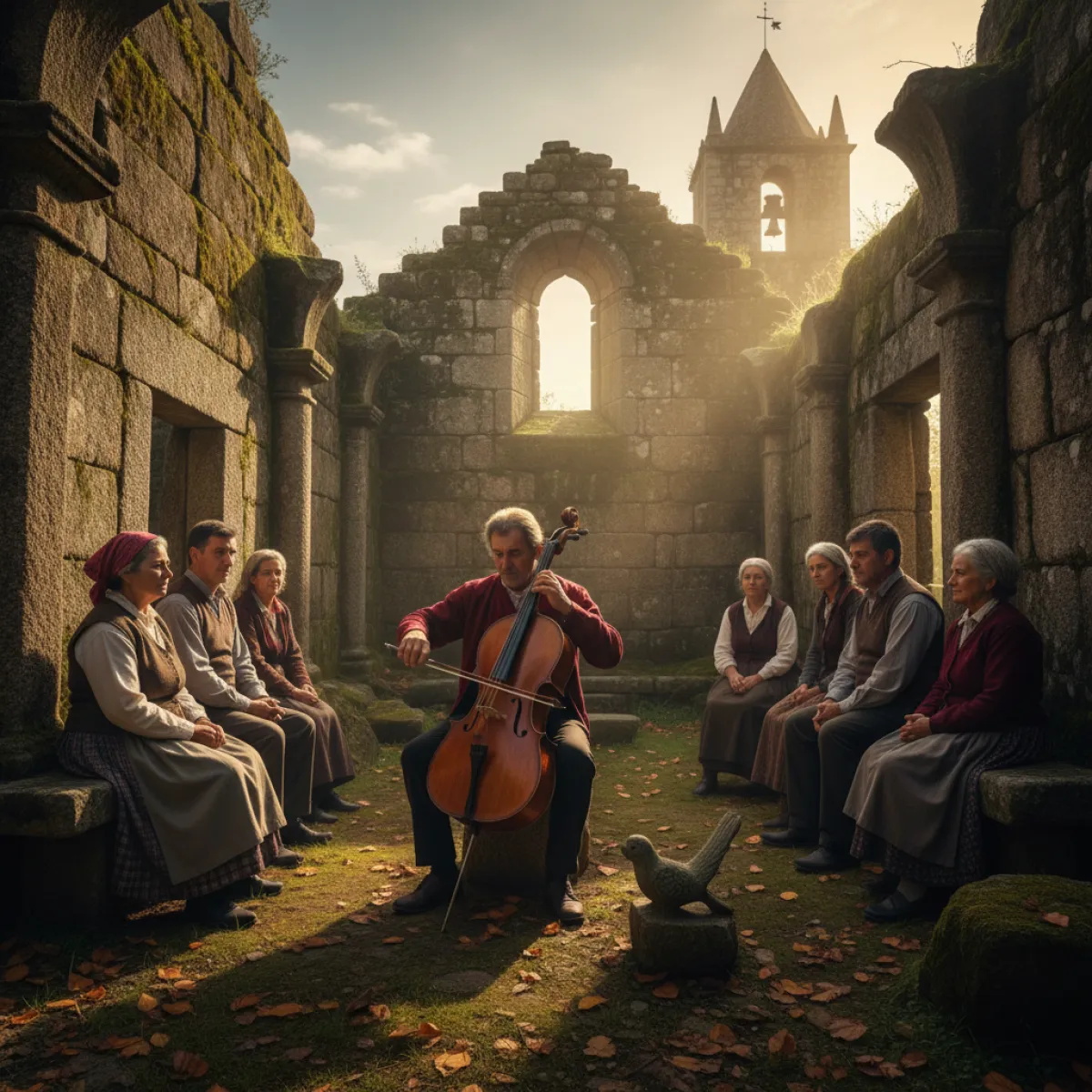
There is a specific weight to the air as you enter Penafiel, a gravity that stems not only from the omnipresent granite shaping the churches and manor houses but from a sonic heritage that seems to pulse beneath the cobblestones. For the traveler seeking to understand Northern Portugal beyond Porto’s riverside facades, this city offers a lesson in continuity and a melancholy that refuses to be merely decorative. Here, music is not entertainment for tourists; it is the invisible architecture of the community.
The Cadence of the Province
The transition from the coast to the interior of the Tâmega and Sousa region is felt in the shift of rhythm. If you have already exhausted the Best Day Trips from Porto, you will know that Penafiel occupies a singular space, close enough for convenience, yet isolated enough to maintain a veneer of authenticity that more exposed cities have lost. Fado here is not the harbor-side lament of Lisbon’s Alfama, nor the academic rigor of Coimbra. It is an inland fado, often heard in taverns where the scent of new wine and the hearth fire overpowers the perfume of visitors.
In Penafiel, fado meets the philharmonic bands, a tradition dating back centuries that forms the backbone of the region’s musical education. It is common, in the late afternoon, to hear the distant rehearsal of a trumpet or a tuba, sounds that echo through the valleys and remind us that music is a serious occupation. This technical and emotional dedication is what distinguishes the local soul. One does not sing or play to fill the silence, but to assert an identity that resists the homogenization of global culture.
The Palate of Sound
For the keen observer, the musical experience in Penafiel is intrinsically linked to gastronomy. One does not listen to fado on an empty stomach. The recommendation is clear: seek out the lamprey rice, if the season permits (January to April), or the kid goat roasted in a wood-fired oven, a specialty that demands the time and patience that quality music also requires. At Rocha restaurant, for instance, the meal is a prelude to the night. Expect to spend around 45 to 60 Euros per person for a full banquet with local wines, white wines from the Sousa sub-region, with an acidity that cuts through the richness of the roast and prepares the palate for the bittersweet notes of a Portuguese guitar.
Unlike what happens when one follows A Guide to Guimarães: The City Where Portugal Learned to Be Itself, where the focus is on the nation's foundation, in Penafiel, the focus is on the maintenance of the soul. Music is the thread that connects generations. It is fascinating to observe the respect with which younger people listen to veterans during amateur fado nights, a phenomenon that frequently occurs in places like Casa do Adro or cultural associations that keep their doors open to anyone bringing a voice and a story.
The Romanesque Route and Sacred Acoustics
Penafiel's musical soul is not limited to human voices. It resides in the acoustics of its Romanesque churches. The Monastery of Paço de Sousa is not just a historical monument; it is a perfect resonance chamber. Attending a concert of sacred music or polyphony in these spaces is to understand how sound shaped Northern spirituality. The cold stone and narrow naves concentrate the voice, forcing an attentive and almost introspective listening experience.
In contrast to the grandiosity found in A Guide to Braga: Portugal's Quietly Radical Northern City, Penafiel's scale is more human, more tactile. There is a brutal honesty in the way the city celebrates its festivals, especially the São Martinho in November. This is the time when music, wine, and chestnuts fuse into a celebration that is, at its core, rhythmic. The 'bombos' (traditional drums), with their incessant and telluric beat, mark the pace of a crowd that needs no choreography to move in unison.
Logistics and Planning
For those wishing to capture this essence, planning is essential. Penafiel is best explored with a private vehicle, allowing for forays into the peripheral parishes where tradition remains purest. The budget for a cultural immersion weekend should consider not only meals but also the purchase of local wines and a visit to the Municipal Museum, an award-winning example of architectural rehabilitation that contextualizes the city's relationship with its territory.
- When to go: November for São Martinho (the climax of popular culture) or during spring for the concert cycles in Romanesque churches.
- What to order: Vinho Verde from the Sousa sub-region and 'tortas de Penafiel' for coffee.
- Etiquette: During fado nights, silence is mandatory. It is not a time for trivial conversation, but for sharing a common emotion.
Music in Penafiel is an exercise in resistance. In a world that values the immediate and the disposable, this city remains faithful to a slower cadence, a deeper tone, and a melody that, like the granite itself, seems destined to last forever. It is the ideal destination for those who understand that traveling is, above all, a way of listening.
