Sudoeste Festival and Costa Vicentina: A Faro Summer Guide
MEO Sudoeste is the excuse, but the Costa Vicentina and Faro are the real trip. A pre-summer guide for anyone combining festival, wild beaches, and a city that deserves more than an airport layover.
Every year, somewhere around early August, thousands of people descend on Herdade da Casa Branca in Zambujeira do Mar for MEO Sudoeste. And every year, the same question circulates on forums and group chats: where do I fly into, how do I get there, and what do I do with the days before and after? The most practical answer, and the one fewest people consider, is Faro.
Faro's airport is the main gateway to southern Portugal. Budget flights from half of Europe land here daily throughout summer. Yet most festival-goers treat the city as a corridor. Somewhere to grab a transfer and move on. That's a mistake. Faro deserves at least two days, and the connection to the Costa Vicentina is simpler than it looks.
Faro Before the Festival: What To Do With That Time
Arriving a day or two before Sudoeste is strategy, not indulgence. You dodge the chaos of opening day, your body adjusts to the Algarve heat, and you discover a city that works perfectly well without a tourist label. The Old Town, inside the medieval walls, is compact enough to walk in two hours. But the point isn't ticking off monuments. It's slowing down.
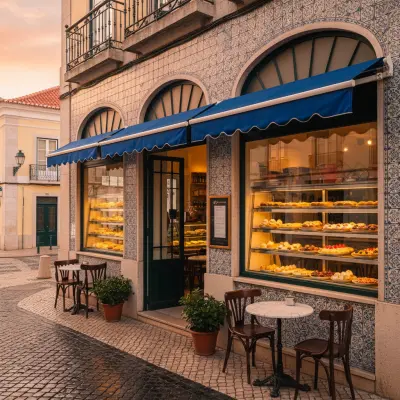
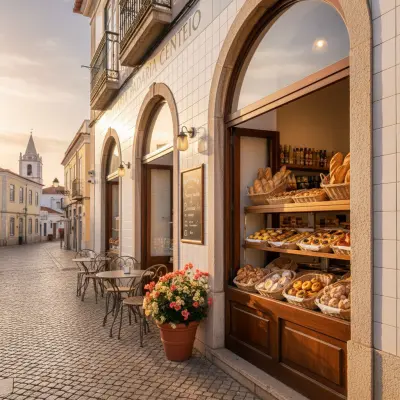
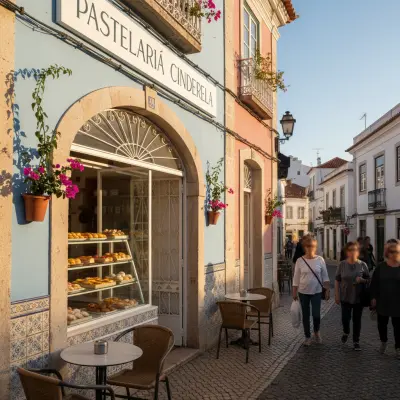
Start your morning at Pastelaria Gardy, one of those places where locals take breakfast seriously. Coffee, pastry, newspaper. No rush. If you want bread with more substance, Pastelaria Padaria Centeio works with flours that actually make a difference, and you can taste it. For the afternoon, or for anyone walking under 35-degree sun, Pastelaria Cinderela is a reliable stop. It's not fancy. It's good. There's a difference.
After the sugar, get to the real attraction. The Ria Formosa is Faro's trump card, and most visitors never even touch it. A boat trip through the Ria Formosa is the classic way to see the barrier islands, sandbanks, and birdlife that make this one of Europe's most important wetlands. But if you want something less passive, try kayaking the Ria Formosa. You reach beaches with nobody on them, without depending on boat schedules. Bring water, sunscreen, and don't underestimate the tide.
For those who want to dig deeper into the city, our guide to local culture in Faro covers traditions and experiences that don't appear in brochures. And if you're after the less obvious corners, the hidden gems of Faro are a solid starting point.
The Logistics: Faro to Zambujeira do Mar
Let's be direct. Zambujeira do Mar is roughly 160 km from Faro, on the Alentejo coast. It's not next door, but it's not the odyssey some internet accounts make it seem.
By car, it's about two hours via the A2 motorway and then national roads. Traffic gets ugly on the festival's opening days. If possible, arrive early morning or late afternoon. Festival parking is paid. Check the official website for current prices before you go.
Without a car, the most reliable option is the festival's own shuttle service, which usually runs from Lisbon and Faro. Check the MEO Sudoeste website for updated schedules and prices, because they change every year. Rede Expressos buses connect Faro to Odemira, and from Odemira to Zambujeira the distance is short, but local transport is limited. Plan ahead.
Accommodation: The Real Options
Camping is the default Sudoeste experience. The festival includes a campsite with your ticket, and that's where half the social life happens. If you've never done festival camping, some notes: bring a tent you won't need back (many people abandon tents at the end), a decent air mattress makes all the difference, and the shower queues are shortest at 7am.
If camping isn't your style, accommodation in Zambujeira is scarce and books out months ahead. Vila Nova de Milfontes, about 20 km away, has more options: hostels, apartments, and a few hotels. Book early. Very early. Prices during festival week climb significantly.
The Costa Vicentina: More Than a Festival
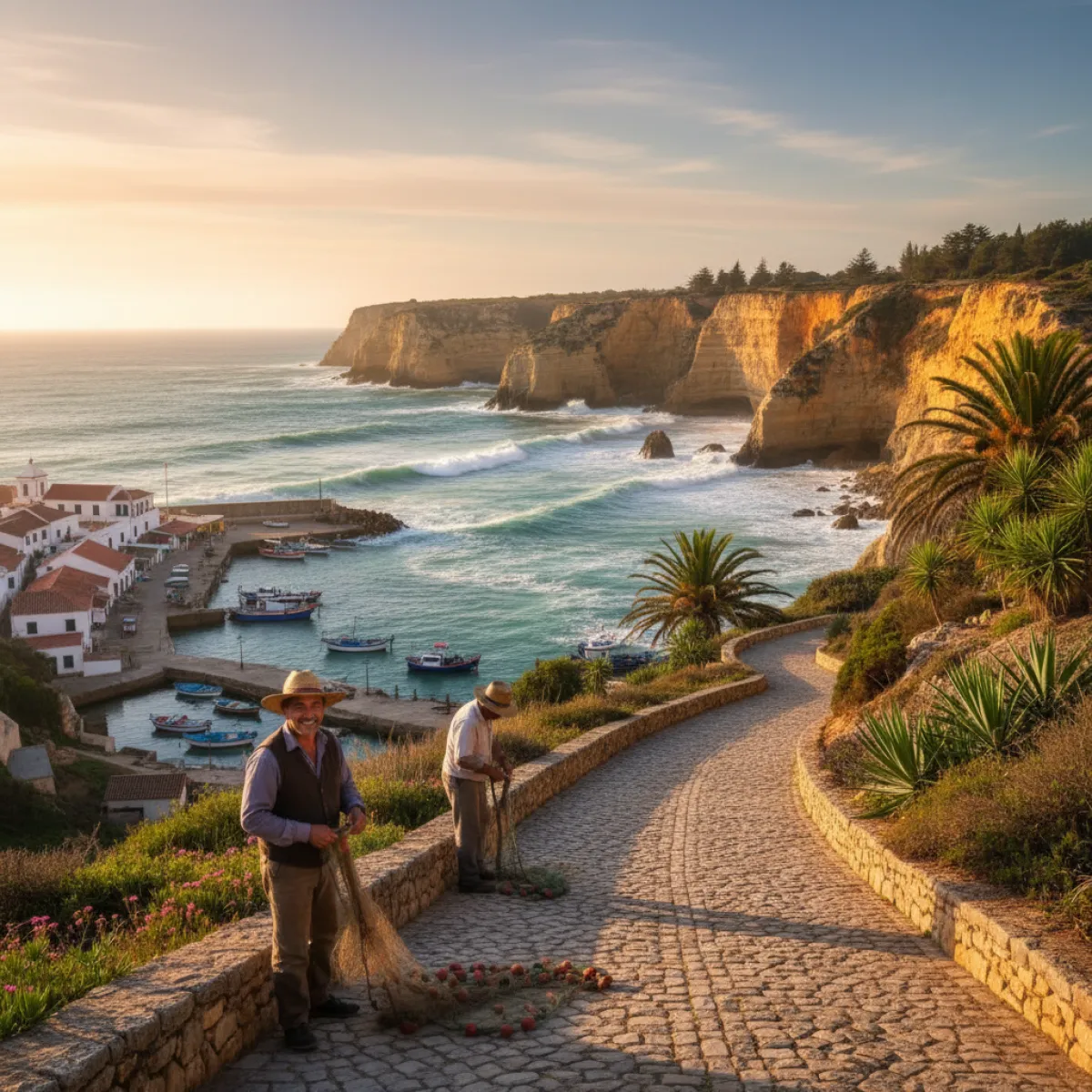
The most common mistake festival-goers make is reducing the Costa Vicentina to Sudoeste. The coastline between Zambujeira do Mar and Sagres is one of Europe's best-preserved stretches of shore, protected as the Southwest Alentejo and Vicentine Coast Natural Park. If you flew in for a four-day festival, extend the trip. You'll thank yourself.
The Beaches That Matter
Praia da Zambujeira, right below the village, is spectacular: high cliffs, wide sand, and during festival week, packed. Outside Sudoeste week, it's a different place entirely. Praia do Carvalhal, slightly north, is calmer and has less infrastructure, which for many people is the appeal. Bring everything you need.
Heading south, Praia de Odeceixe is one of the Algarve's most photogenic beaches. The River Seixe meets the sea here, creating a natural lagoon that's perfect for families or anyone who simply doesn't want big waves. At low tide, the beach seems to go on forever.
Praia da Arrifana, further south, is surf territory. If you want to try, local schools offer beginner lessons. Check prices on site, as they vary by season. Praia da Bordeira, near Carrapateira, is enormous. Literally. Kilometres of sand that, even in August, don't feel crowded. The wind can be strong, so bring something to shelter behind.
Walking the Rota Vicentina
The Rota Vicentina is a network of walking trails running along this coast. The Fishermen's Trail, which follows the shoreline, is the most spectacular. You don't need to do all of it. Pick one stage: Zambujeira do Mar to Odeceixe is about 18 km, a full day's walk with views that justify every step. The trail is signposted, but carry plenty of water. There's no shade, and in July and August the sun is unforgiving.
For something shorter, the stretch between Porto Covo and Vila Nova de Milfontes is equally beautiful and manageable in half a day at a steady pace.
Eating on the Coast: Keep It Simple
The food along this coast is straightforward and maritime. Grilled fish, seafood rice, barnacles when available. Don't expect tasting menus. Expect fresh fish, good bread, and decent olive oil. Zambujeira do Mar has a handful of restaurants on the main street. Vila Nova de Milfontes has more choices and a pleasant riverside setting for dinner.
A note on percebes (goose barnacles): if you find them, eat them. They're one of this coast's great products, and the price, though high, reflects the risk the harvesters take to collect them. Don't order percebes at touristy beach spots. Look for local tascas where the fishermen eat.
Back Through Faro: The Other Coast
If the festival's over and you still have a day before your flight, don't waste those hours at the airport. Come back to Faro and use the time. Ilha Deserta, reachable by boat from the harbour, is one of the few genuinely wild beaches in the Algarve. There's one restaurant, Estaminé, serving grilled fish with your feet in the sand. Check boat schedules locally.
If the Algarve has gotten under your skin and you want to explore further, our Lagos neighbourhood guide is useful if you're heading west. Lagos works well as a base, with its own nightlife and easy access to Ponta da Piedade's beaches. And for anyone wanting to understand the Algarve beyond the resorts, our guide to Albufeira's traditions and festivals reveals a side of the city most visitors overlook completely.
Practical Checklist: The Essentials
- MEO Sudoeste tickets: buy from the official site. Early bird prices sell out fast.
- SPF 50 sunscreen. Not a suggestion, a necessity.
- Reusable water bottle. There are refill points at the festival.
- Cash for local markets and coastal tascas. Not everywhere takes cards.
- Accommodation booking: if you're not camping, reserve months in advance.
- Proper walking shoes if you're doing the Rota Vicentina. Flip-flops won't cut it.
- Rental car from Faro: the most flexible way to explore the coast. Compare prices online before arriving.
Sudoeste is the excuse. The Costa Vicentina is the reason to come back. And Faro, that city everyone passes through without looking, might just be the best beginning and best ending to a week that combines festival, beach, and a stretch of Portugal that hasn't been sanded smooth for tourists yet.