Sintra in Spring: Botanical Rebirth and the Luxury of Quietude
Discover how to visit Sintra in spring, the perfect season to escape the crowds and see the botanical gardens in full bloom. A strategic guide for discerning travelers.

The Spring Mandate
Sintra is not a destination to be consumed in haste, amidst the swarms of day-trippers disembarking from tour buses under the unforgiving August sun. For the traveler who values substance over spectacle, the town truly reveals itself when the days begin to lengthen and the iconic morning mist, known locally as 'Venus's chemise', dissipates to unveil a palette of greens that feels impossible at any other latitude. March and April are months of transition, where the Sintra mountains regain their breath before the summer invasion. It is during this time that the region's unique microclimate allows exotic and native species to coexist in an exuberance that defies traditional botany.
Walking through Sintra in this season requires a change of pace. Forget the frantic Instagram checklist of the most photographed monuments. Spring invites a sensory exploration where the scent of wisteria and the sound of water trickling from centuries-old fountains replace the noise of the crowds. It is an opportunity to understand the soul of the village, something we explore in depth in our Sintra Neighborhood Guide: Discover Every Corner of the Enchanted Town, which helps distinguish the effervescence of the Old Town (Vila Velha) from the residential tranquility of São Pedro or the artistic vibe of Estefânia.
The Geometry of Gardens in Bloom
If Pena Palace is the face of Sintra, the gardens of Monserrate are its secret heart. In spring, this botanical park, designed by Francis Cook, transforms into a setting that looks like something out of a Pre-Raphaelite painting. The camellias, brought from the Orient, are at their peak, and the meadow that stretches before the neo-Gothic palace invites a contemplation that is rare in the summer months. Unlike Pena, where queues for the palace interior can be grueling, Monserrate offers a freedom of movement that is the true contemporary luxury.
At Quinta da Regaleira, spring accentuates the mysticism of its initiation wells and grottoes. The vegetation, revitalized by winter rains, covers the stone structures with a patina of moss and ivy that reinforces Luigi Manini's esoteric narrative. The practical advice here is to arrive at opening time, around 10:00 AM, or opt for the last two hours before closing, when the oblique light pierces through the tree canopies and creates dramatic shadows over the Manueline architecture.
The Coast as a Refuge
Many visitors make the mistake of confining their visit to the historic center. However, the real Sintra extends all the way to the Atlantic. As temperatures rise, the coast becomes an essential escape. This is the perfect time to explore Hiking the Sintra Coast: Why March is the Perfect Month. These trails, winding between cliffs and pine forests, offer unobstructed views over Cabo da Roca and Adraga Beach, far from the urban bustle.
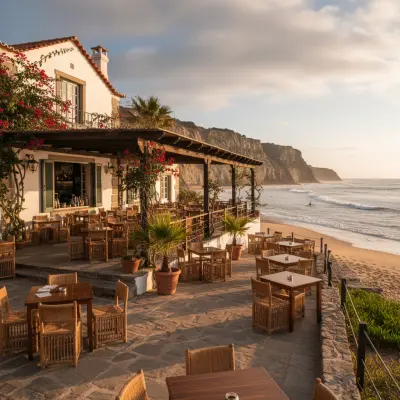
The final destination of a morning hike should be Praia Grande. Known for its vast expanse of sand and the dinosaur footprints etched into its southern cliffs, this beach maintains a rustic elegance in spring. For lunch, avoid the tourist traps and look for seafood restaurants where the freshness of sea bream and sea bass is guaranteed. A budget for a quality meal here ranges from €40 to €60 per person, including a bottle of Colares wine, the 'wine of the sands' that remains one of Portugal's most fascinating viticultural rarities.
Logistics and Visiting Strategy
To avoid the crowds, strategy is key. The train from Lisbon (Rossio Station) remains the most romantic and efficient way to arrive, but once in Sintra, using ride-sharing apps or private drivers is preferable to the saturated tourist buses. If you are staying on the Cascais line, consider the convenience of the Best Day Trips from Cascais: Unmissable Destinations, which often allow for a more relaxed approach through the mountains, entering Sintra from the 'back' via Malveira da Serra.
Regarding attire, the golden rule in Sintra is the layering system. The morning fog can be cool and damp, even when the forecast predicts sun. A light waterproof jacket and footwear with good traction are indispensable for tackling the uneven cobblestones and dirt paths.
Culture and Gastronomy
The Sintra experience is incomplete without its confectionery heritage. At Piriquita, the Travesseiro de Sintra (puff pastry, egg cream, and almond) is a must, but for a more authentic experience, seek out the Queijadas da Sapa, near the climb to Pena Palace. The flavor is more balanced, less sweet, and more focused on the texture of the fresh cheese and cinnamon.
For those seeking a deeper cultural immersion, it is worth remembering that Sintra is part of a larger ecosystem. Understanding the Local Culture in Lisbon: Traditions, Neighborhoods and the City's Soul provides the necessary context to understand why the Lisbon elite chose this mountain range as their preferred retreat for centuries. It is a relationship of proximity and contrast: the bustle of the capital versus the aristocratic silence of the hills.
Traveler’s Summary
- When to go: March to May for the blooming of camellias and wisteria.
- What to order: Seafood rice at Praia Grande; Travesseiros in the Old Town.
- Budget: €150-€200 per day for a premium experience (entry fees, private transport, and meals).
- Insider Tip: Book tickets for parks and palaces online in advance to skip the ticket office lines and secure direct discounts.